Loading recipe...
EasyLunchDinner
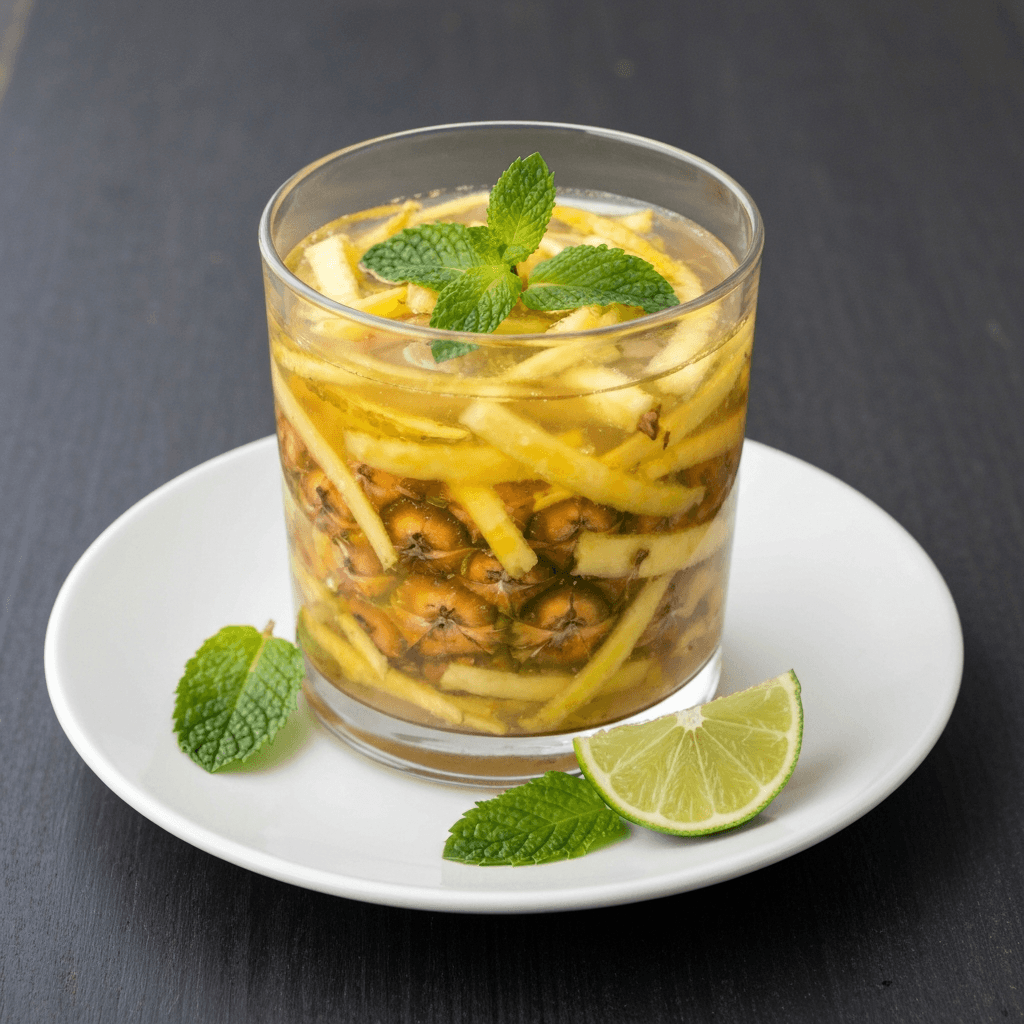
Guarapo de Piña (Colombian Pineapple Drink) with Mint and Lime
5 days, 15 minutes
4 Servings
160 kcal
Ingredients
Servings
4
🍎
from 1mediumPineapple peels
Use peels from a ripe pineapple. Avoid the core and overly bruised or damaged sections.🛒
0.5cupGranulated sugar
Adjust to taste after fermentation.S$0.20
🛒
10leavesFresh mint leaves
Plus extra for garnish.S$0.75
🍋
1mediumLime
Juice of, plus wedges for garnish.S$0.30
💧
8cupsWater
Filtered water is recommended.❄️
As needed Ice
For servingTotal Cost
S$1.25
S$0.31 per serving
The Method
1
Wash the pineapple peels thoroughly under running water to remove any dirt or debris.
2
In a large glass jar or pitcher, combine the pineapple peels, sugar, and mint leaves.
3
Pour the water over the pineapple peels mixture, ensuring the peels are submerged. If necessary, use a weight (like a small, clean plate) to keep them submerged to prevent mold growth.
4
Cover the jar loosely with a lid or cheesecloth secured with a rubber band. This allows the fermentation gases to escape while preventing fruit flies from entering.
5
Let the mixture ferment at room temperature (ideally between 65-75°F/18-24°C) for 3-5 days. Check daily. You will see bubbles forming, and the mixture will start to smell fermented.
6
Taste the guarapo after 3 days. If it's tart and fizzy enough for your liking, proceed to the next step. If not, continue fermenting for another day or two. Be careful, excessive fermentation can make the drink overly alcoholic or acidic.
7
Once the desired level of fermentation is achieved, strain the guarapo through a fine-mesh sieve or cheesecloth into a clean pitcher or container. Discard the pineapple peels and mint leaves.
8
Add the lime juice to the strained guarapo. Stir to combine.
9
Refrigerate the guarapo for at least 2 hours to chill completely.
10
Serve chilled over ice, garnished with fresh mint sprigs and lime wedges.
Stock Your Kitchen
My Kitchen Notes
Fetching notes...
Nutrition Information
Nutrition per serving (500g)
160 kcal / 669 kJ
Carbs
41g
16% of RDA
Fat
0.2g
0% of RDA
Protein
0.5g
1% of RDA
Detailed Breakdown
Fibre
1 g
3% of RDA
Sugar
39 g
43% of RDA
Sodium
5 mg
Saturated Fat
0 g
Chef's Tips
The fermentation time depends on the temperature and the natural sugars in the pineapple. Start tasting after 3 days and adjust accordingly.
If you prefer a sweeter drink, add more sugar after fermentation, to taste.
For a stronger flavor, add a few pieces of the pineapple flesh to the fermentation process.
Always use clean utensils and a clean jar to prevent unwanted bacteria from interfering with the fermentation process.
If you see mold growing on the surface of the mixture, discard the entire batch. It's not safe to consume.
Cooking Equipment
Large glass jar or pitcher (at least 2 liters)
Fine-mesh sieve or cheesecloth
Large pot
Wine Pairings
No wine pairing suggestions available for this recipe.
You Might Also Like...

Lemon Herb Roasted Chicken and Vegetables
1 hour
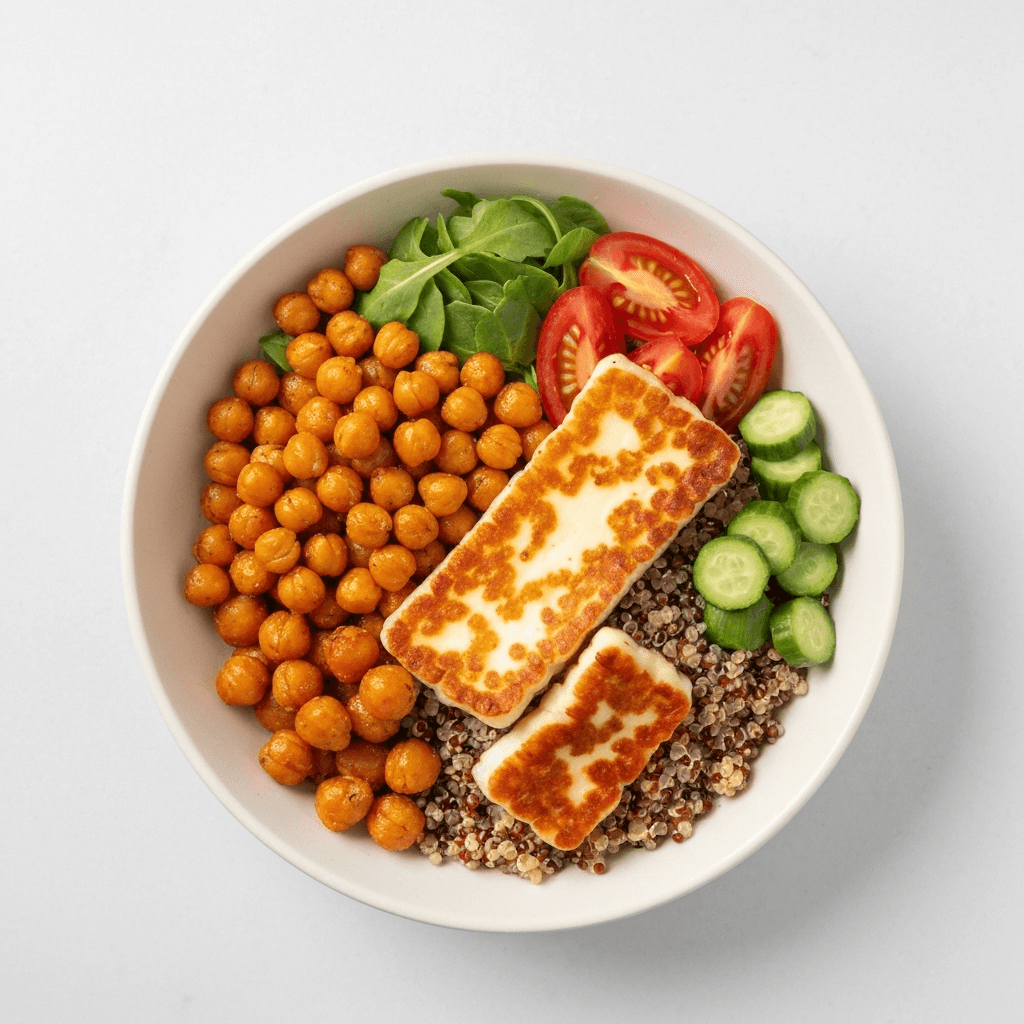
Quinoa Bowl with Roasted Chickpeas and Halloumi
40 minutes
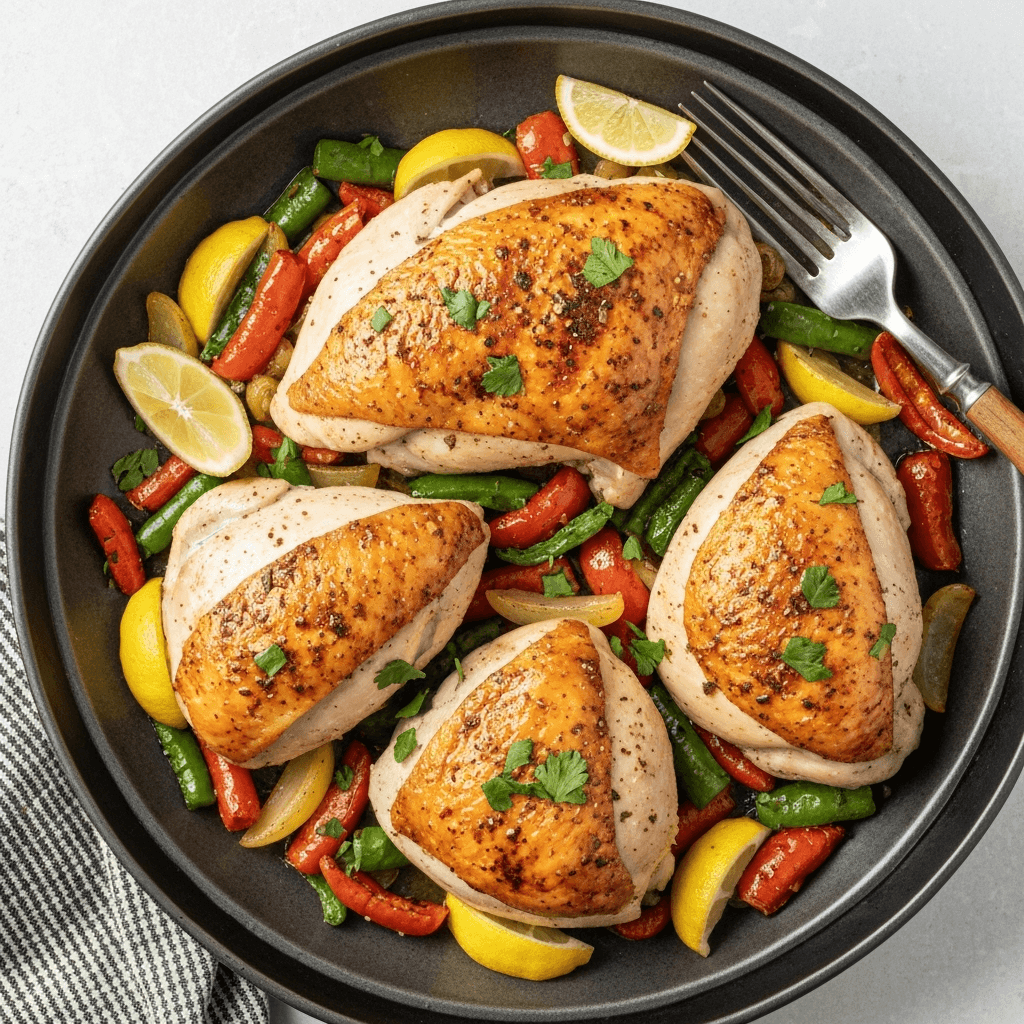
Lemon Herb Roasted Chicken and Vegetables (Gluten-Free)
60 minutes
Braised Purple Sprouting Broccoli with Garlic and Lemon
35 minutes
Roasted Spinach Breakfast Bowl with Fried Egg
30 minutes
Steamed Cherry Tomatoes with Garlic & Basil
25 minutes

One-Pan Roasted Vegetable and Chickpea Bowl with Tahini Dressing
45 minutes
Lemon Herb Baked Salmon with Roasted Asparagus and Quinoa
40 minutes
Warm Brussels Sprout and Lettuce Salad with Balsamic Glaze
40 minutes
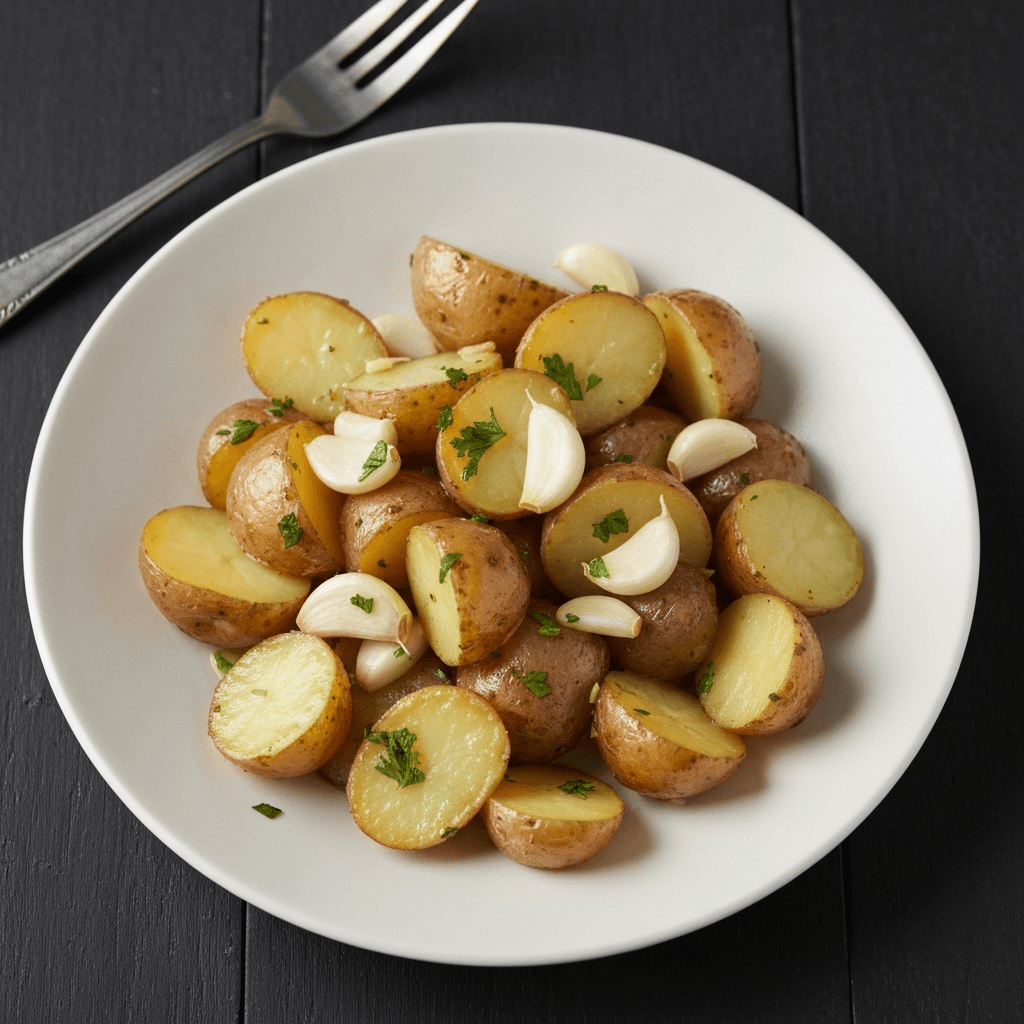
Stir-Fried Jersey Royal Potatoes with Garlic and Herbs
30 minutes

Roasted Vegetable and Quinoa Bowl with Lemon-Tahini Dressing
55 minutes
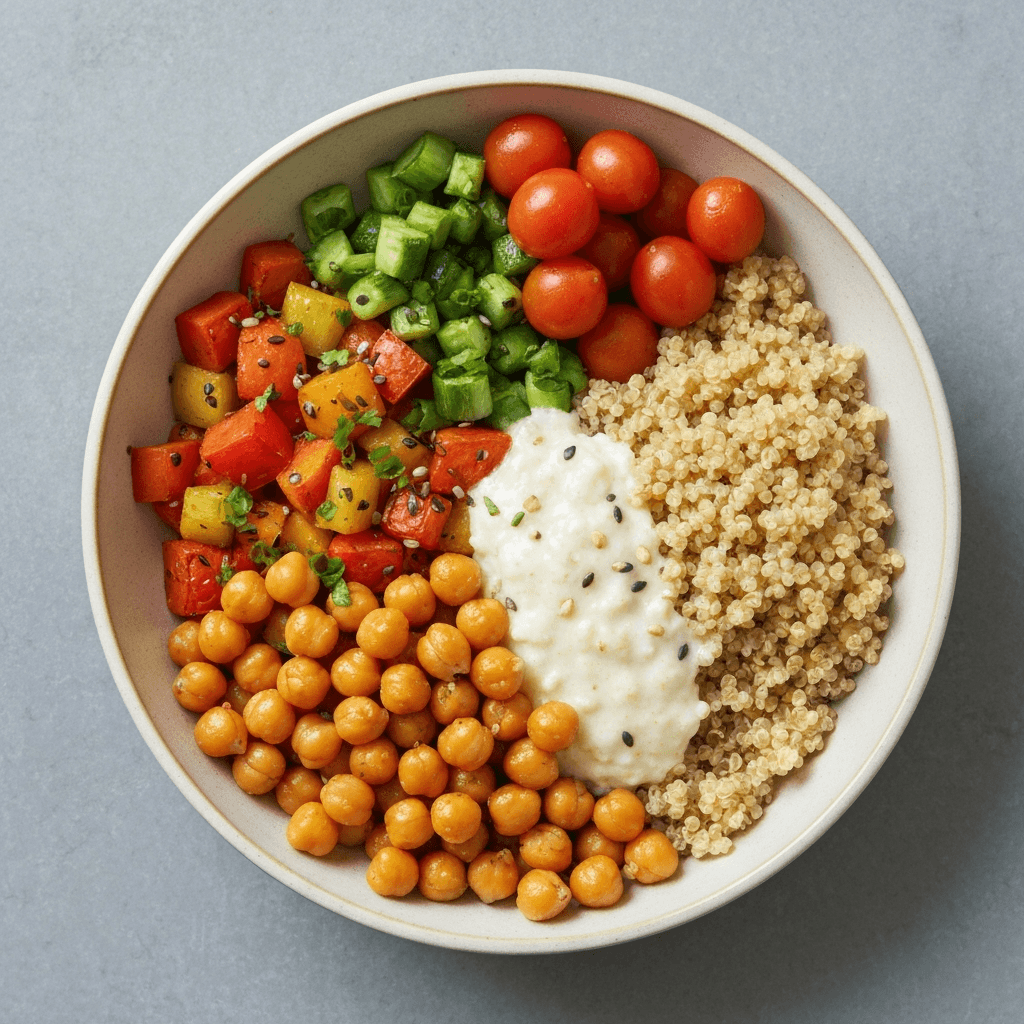
Roasted Vegetable and Chickpea Quinoa Bowl with Lemon-Tahini Dressing
45 minutes