Loading recipe...
Ingredients
Servings
4
🌾
300gAll-purpose flour
Type '00' flour is ideal but all-purpose works well.S$0.30
🥚
3Eggs
Large, at room temperatureS$1.00
🫒
1tbspOlive oil
Extra virginS$0.15
🧂
0.5tspSalt
For pasta doughS$0.01
🌶️
2cupsFresh basil leaves
PackedS$2.00
🛒
0.3cupPine nuts
Toasted lightlyS$1.75
🧄
2clovesGarlic
MincedS$0.10
🧀
0.5cupParmesan cheese
Grated, plus extra for servingS$1.50
🫒
0.5cupOlive oil
Extra virginS$0.15
🧂
0.3tspSalt
For pestoS$0.01
🌶️
0.3tspBlack pepper
Freshly ground, for pestoS$0.05
🍅
500gCherry tomatoes
HalvedS$1.50
🧂
To tasteSalt
For seasoning tomatoes and pasta waterS$0.01
🌶️
To tasteBlack Pepper
For seasoning tomatoesS$0.05
Total Cost
S$8.58
S$2.15 per serving
The Method
1
**Make the pasta dough:** On a clean work surface, create a mound of flour and make a well in the center. Crack the eggs into the well, add olive oil and salt.
2
Using a fork, gradually incorporate the flour into the eggs until a shaggy dough forms. Once it becomes difficult to mix with a fork, use your hands to bring the dough together.
3
Knead the dough for 8-10 minutes until smooth and elastic. If the dough is too dry, add a teaspoon of water at a time. If it's too sticky, add a little more flour.
4
Wrap the dough in plastic wrap and let it rest for at least 30 minutes at room temperature.
5
**Make the pesto:** Combine basil, pine nuts, garlic, Parmesan cheese, olive oil, salt, and pepper in a food processor or blender. Process until smooth, scraping down the sides as needed. Add more olive oil if needed to achieve your desired consistency.
6
**Shape the pasta:** Divide the dough into smaller portions. Use a pasta machine to roll out the dough into thin sheets. If you don't have a pasta machine, use a rolling pin to roll the dough as thinly as possible.
7
Cut the pasta sheets into your desired shape (e.g., fettuccine, tagliatelle). Dust the pasta with flour to prevent sticking.
8
**Cook the pasta:** Bring a large pot of salted water to a boil. Add the pasta and cook for 2-3 minutes, or until al dente.
9
**Prepare the Tomatoes:** While the pasta is cooking, in a bowl, add the halved cherry tomatoes, a pinch of salt, and a pinch of black pepper. Toss to combine
10
Drain the pasta, reserving about 1/2 cup of pasta water.
11
In a large bowl, combine the cooked pasta, pesto, and cherry tomatoes. Toss to coat. Add a little pasta water if needed to adjust the consistency.
12
Serve immediately, topped with freshly grated Parmesan cheese.
Stock Your Kitchen
My Kitchen Notes
Fetching notes...
Nutrition Information
Nutrition per serving (325g)
780 kcal / 3263 kJ
Carbs
49g
19% of RDA
Fat
56g
80% of RDA
Protein
28g
56% of RDA
Detailed Breakdown
Fibre
4 g
13% of RDA
Sugar
9 g
10% of RDA
Sodium
520 mg
23% of RDA
Saturated Fat
11 g
55% of RDA
Chef's Tips
For a richer pesto, you can toast the pine nuts in a dry skillet over medium heat until lightly golden.
If the pesto is too thick, add a tablespoon of hot pasta water at a time until it reaches your desired consistency.
Feel free to add other vegetables to the dish, such as spinach, zucchini, or bell peppers.
The pasta dough needs to rest so the gluten relaxes. This makes it easier to roll out and gives the pasta a better texture.
Don't overcook the pasta! It should be al dente, which means 'to the tooth' - firm but not hard. The exact cooking time will depend on the thickness of your pasta.
Cooking Equipment
Large pot
Pasta machine (optional)
Food processor or blender
Large bowl
Wine Pairings
No wine pairing suggestions available for this recipe.
You Might Also Like...

Chicken Stroganoff
45 min
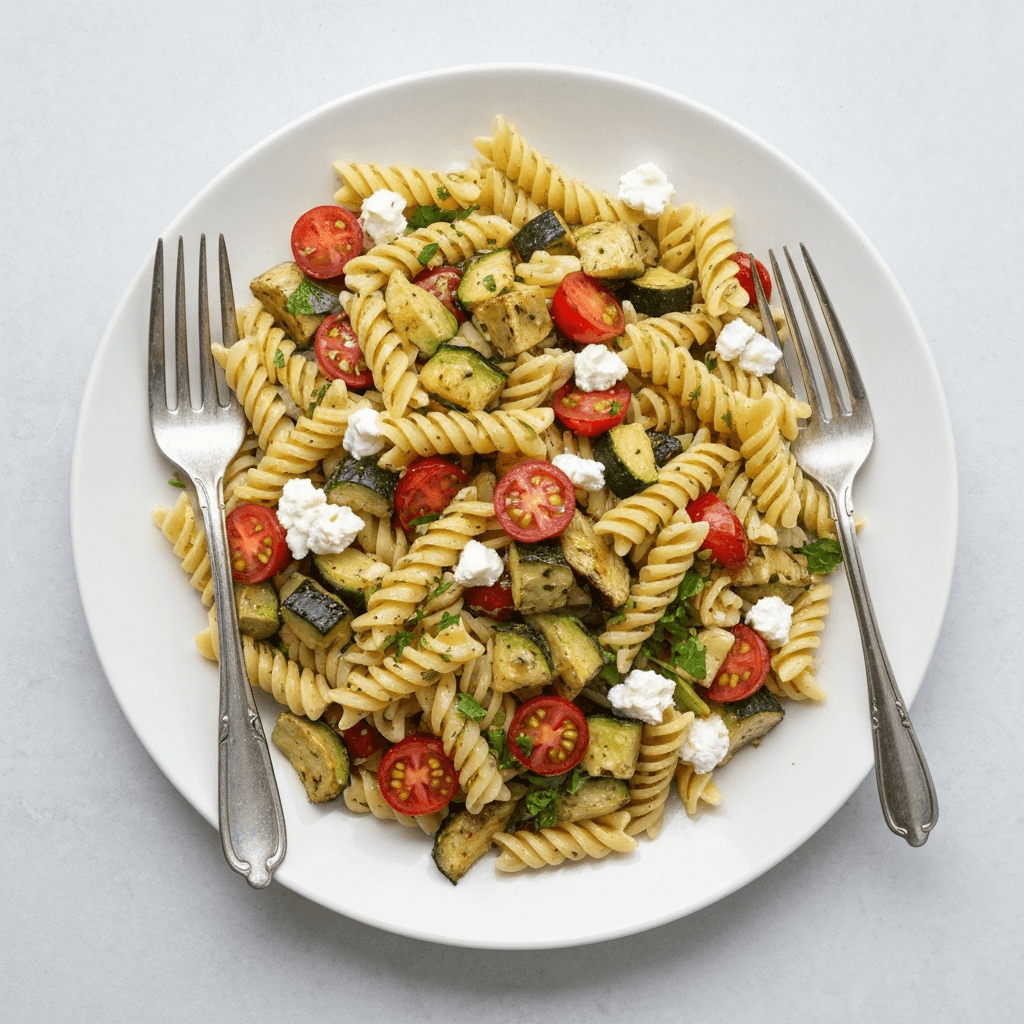
Roasted Vegetable and Goat Cheese Pasta Salad
55 minutes
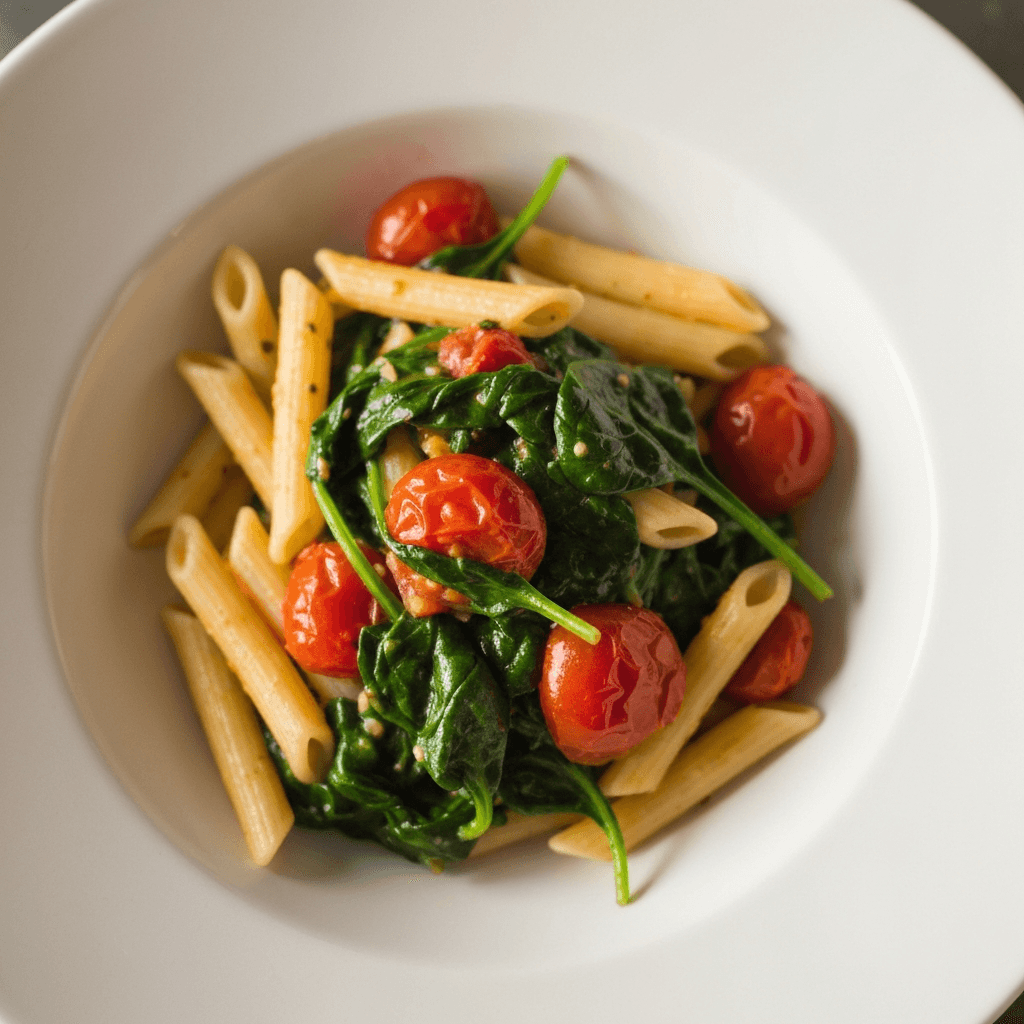
Spinach and Tomato Baked Feta Pasta
45 minutes

Spaghetti Aglio e Olio with Chili
20 minutes

Forager's Ravioli
75 min

Best Miso Pumpkin Pasta
50 minutes
Caprese Pasta Bake
45 minutes
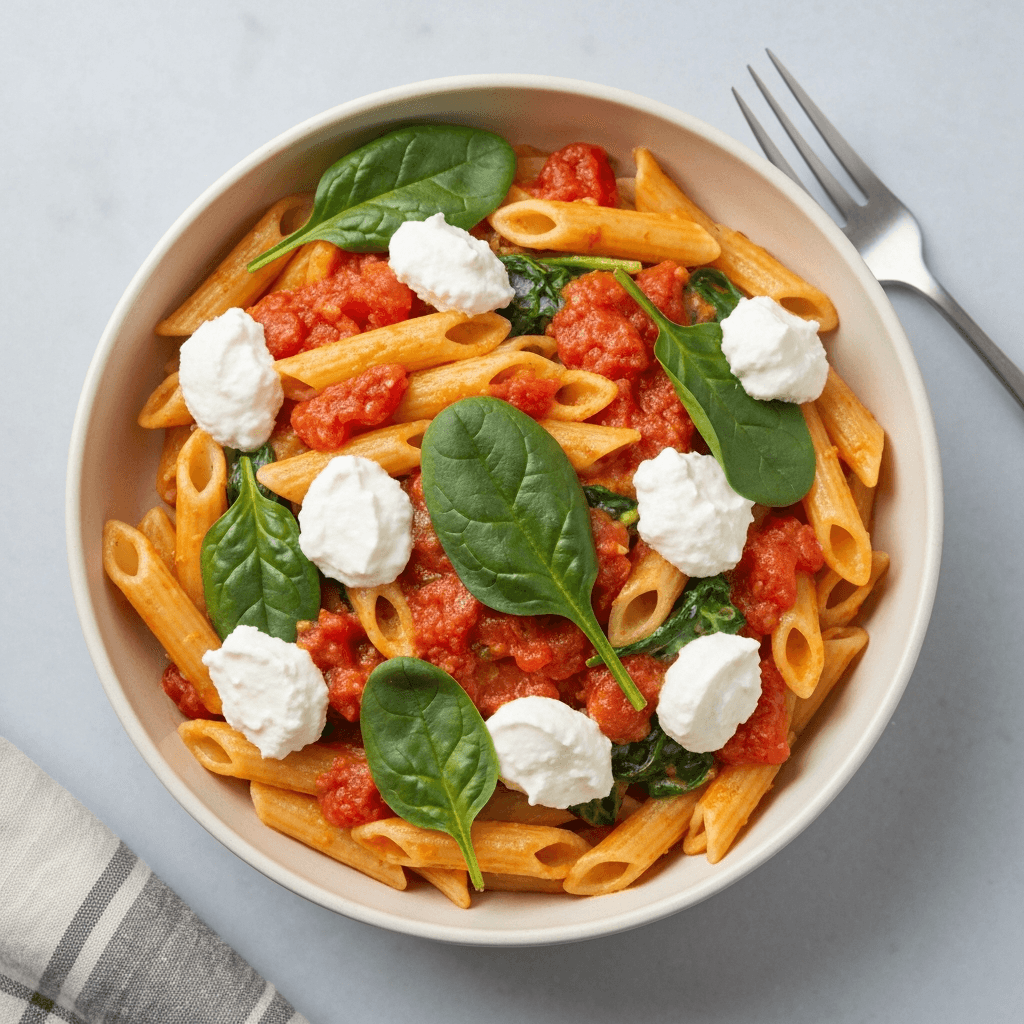
Creamy Tomato Pasta with Spinach and Ricotta
40 minutes
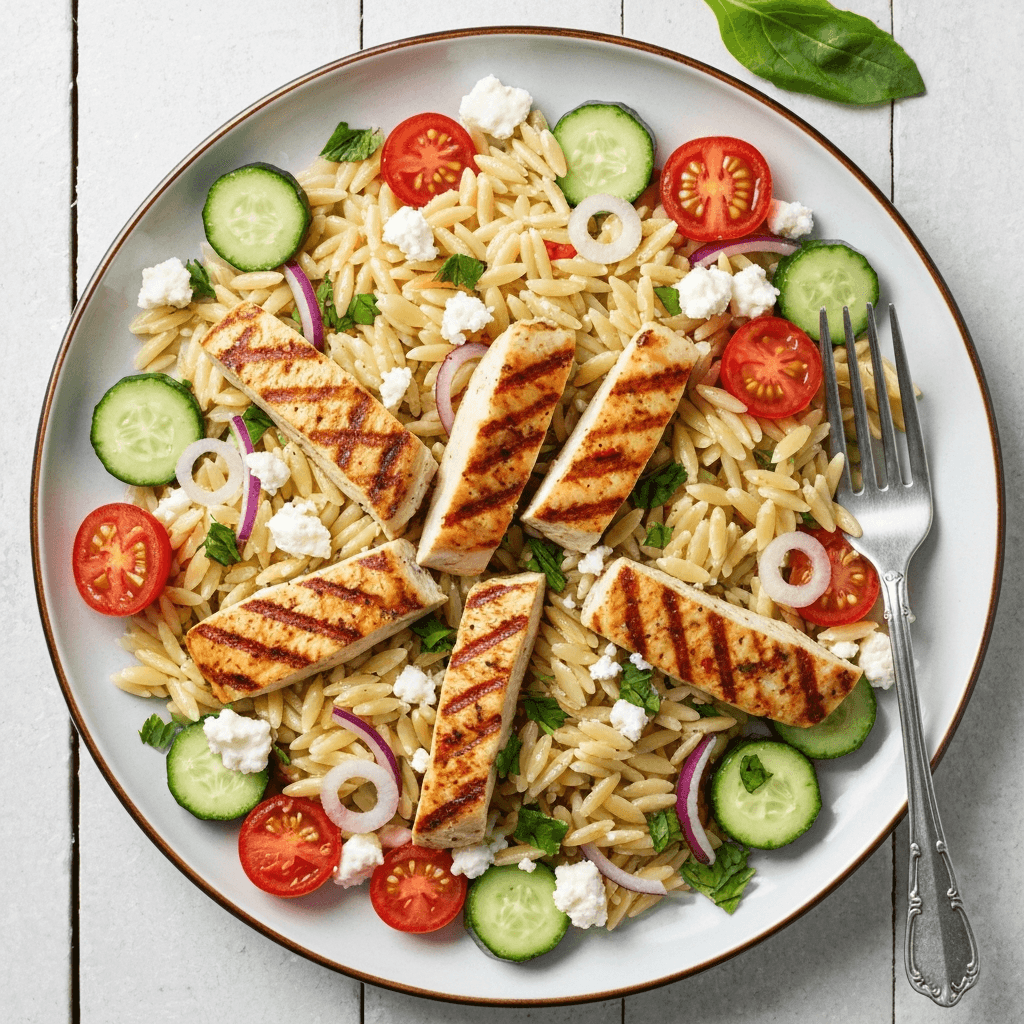
Greek Lemon Herb Chicken & Orzo Salad
50 minutes
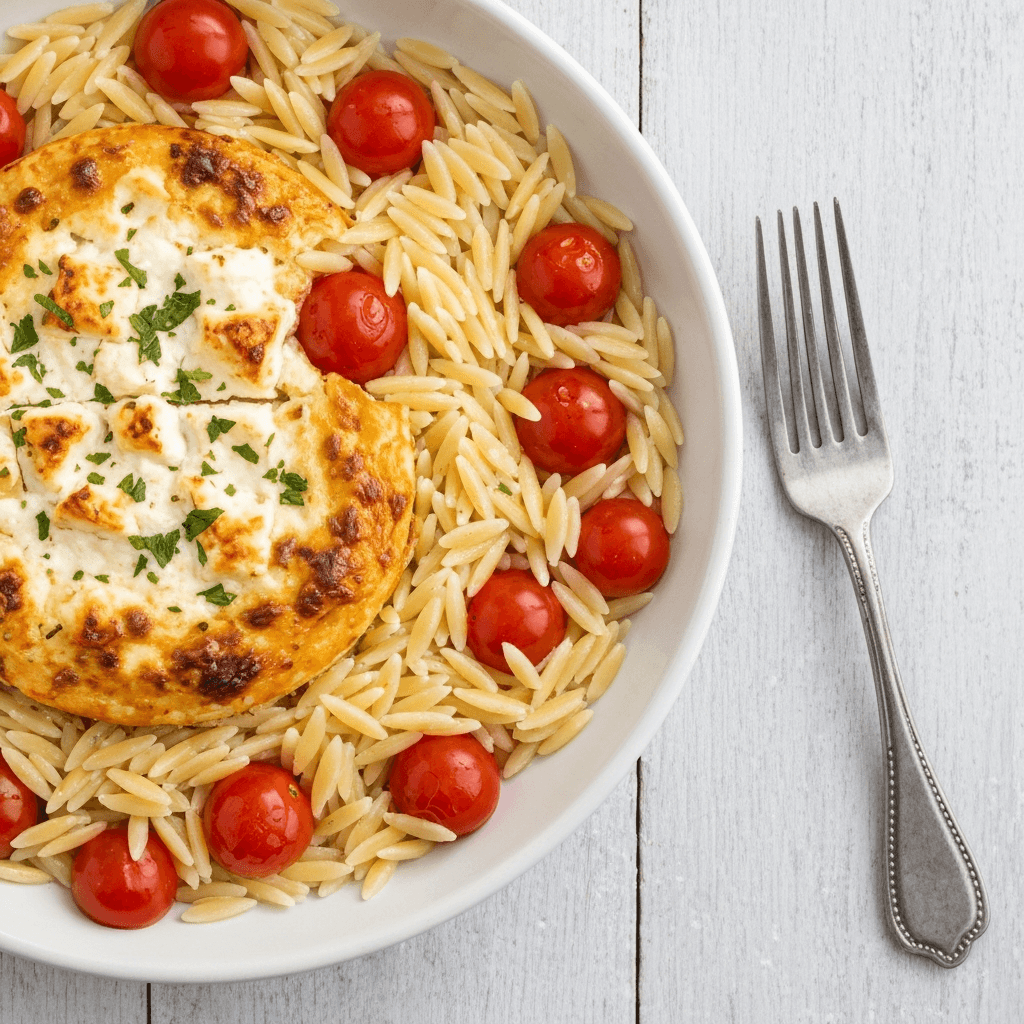
Baked Feta with Cherry Tomatoes and Orzo Pasta
45 minutes

Classic Spaghetti Carbonara
30 min

Heartwarming Vegetable Soup
60 minutes