Loading recipe...

Ingredients
Servings
4
🛒
400gSpaghetti
S$0.75
🛒
150gGuanciale
diced (or good quality pancetta/smoked bacon)S$4.50
🧀
100gPecorino Romano cheese
finely grated, plus extra for servingS$2.50
🧀
50gParmesan cheese
finely grated (optional, can use 150g Pecorino total)S$1.50
🥚
2Large eggs
at room temperatureS$0.60
🥚
2Large egg yolks
at room temperatureS$0.60
🌶️
1tspBlack pepper
freshly and coarsely cracked, or to tasteS$0.10
🧂
to tasteSalt
for pasta waterS$0.60
Total Cost
S$11.15
S$2.79 per serving
The Method
1
In a large skillet or frying pan, cook the diced guanciale over medium-low heat until the fat has rendered and the meat is crispy (about 10-15 minutes). Do not drain the rendered fat. Remove the crispy guanciale pieces with a slotted spoon and set aside, leaving the rendered fat in the pan. Turn off the heat.
2
Meanwhile, bring a large pot of water to a rolling boil. Add a generous amount of salt. Add the spaghetti and cook according to package directions until al dente (usually 8-10 minutes).
3
While the pasta cooks, whisk together the whole eggs, egg yolks, grated Pecorino Romano, grated Parmesan (if using), and a generous amount of freshly cracked black pepper in a medium bowl. Mix well until smooth.
4
Just before the pasta is done, reserve about 1 cup (240ml) of the starchy pasta water. Drain the spaghetti quickly and add it directly to the skillet with the rendered guanciale fat. Toss well to coat the pasta.
5
Remove the skillet from any residual heat (this is important to avoid scrambling the eggs). Pour the egg and cheese mixture over the hot pasta. Add about half of the reserved crispy guanciale. Toss rapidly and continuously, adding a tablespoon or two of the reserved hot pasta water at a time if needed, until the sauce becomes creamy and coats the spaghetti. The heat from the pasta and the water will cook the eggs gently.
6
Serve immediately in warm bowls. Garnish with the remaining crispy guanciale, extra grated Pecorino Romano cheese, and another crack of black pepper.
Stock Your Kitchen
My Kitchen Notes
Fetching notes...
Nutrition Information
Nutrition per serving (250g)
839 kcal / 3514 kJ
Carbs
69g
27% of RDA
Fat
47g
67% of RDA
Protein
39g
78% of RDA
Detailed Breakdown
Fibre
3 g
10% of RDA
Sugar
1 g
1% of RDA
Sodium
1018 mg
44% of RDA
Saturated Fat
19 g
95% of RDA
Chef's Tips
For the most authentic flavor, use guanciale (cured pork jowl). If unavailable, use high-quality pancetta or unsmoked bacon.
Using only Pecorino Romano gives a sharper, saltier flavor traditional to Rome. A mix with Parmesan mellows it slightly.
The key is to use the residual heat of the pasta and the pan, plus hot pasta water, to cook the eggs into a creamy sauce. Never return the pan to direct heat after adding the eggs.
Adjust the amount of black pepper to your liking; carbonara should have a noticeable peppery kick.
If the sauce seems too thick, add a little more hot pasta water. If too thin, toss vigorously for another moment (off heat) with a bit more grated cheese.
Wine Pairings
No wine pairing suggestions available for this recipe.
Complete the Meal
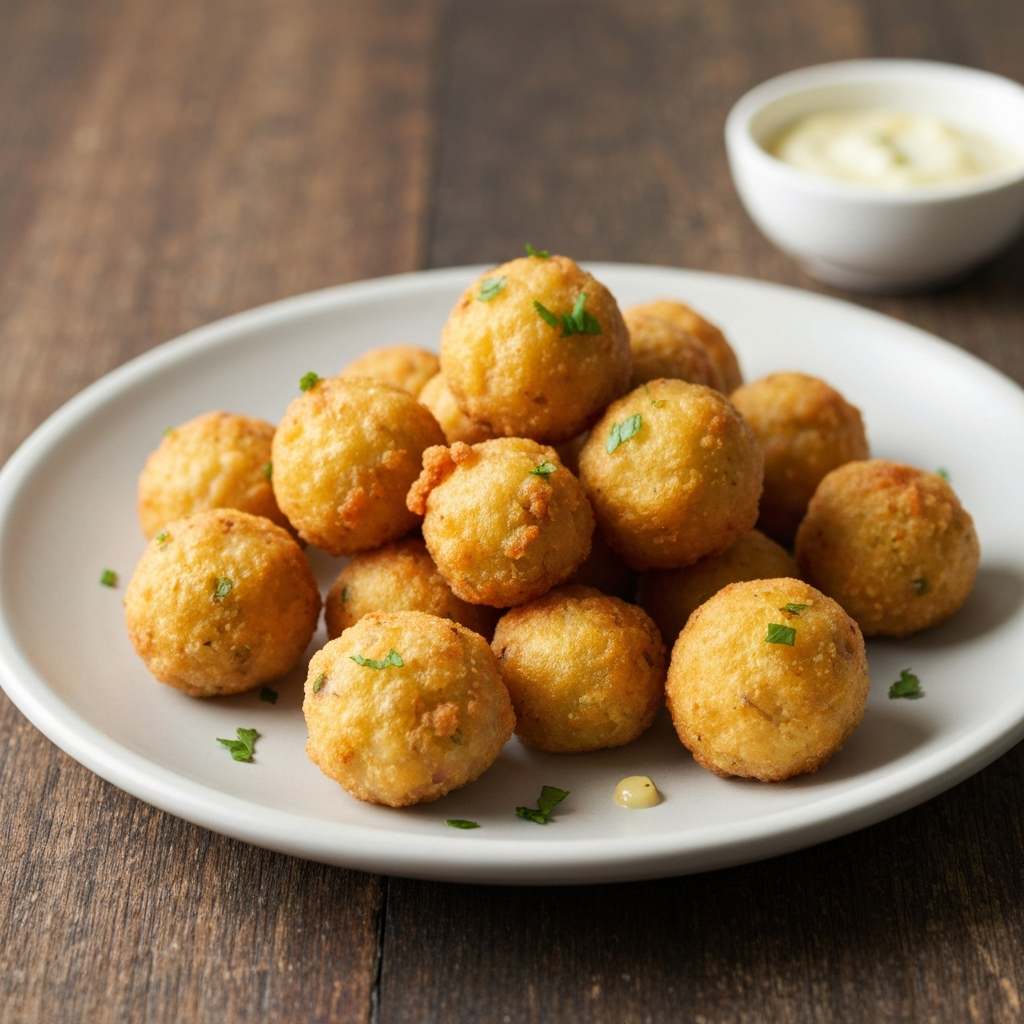
Starter
Crispy Fried Artichoke Hearts with Lemon-Garlic Aioli
Tender artichoke hearts, fried to golden perfection and served with a zesty lemon-garlic aioli. A perfect appetizer to complement a rich pasta dish like carbonara.
30 minutes
4 servings
Easy"The fried artichoke hearts offer a delightful textural contrast to the creamy carbonara, providing a crispy element to begin the meal. The slight bitterness of the artichokes cuts through the richness of the pasta, while the lemon-garlic aioli adds a bright, acidic counterpoint that prepares the palate for the heavier dish to come."
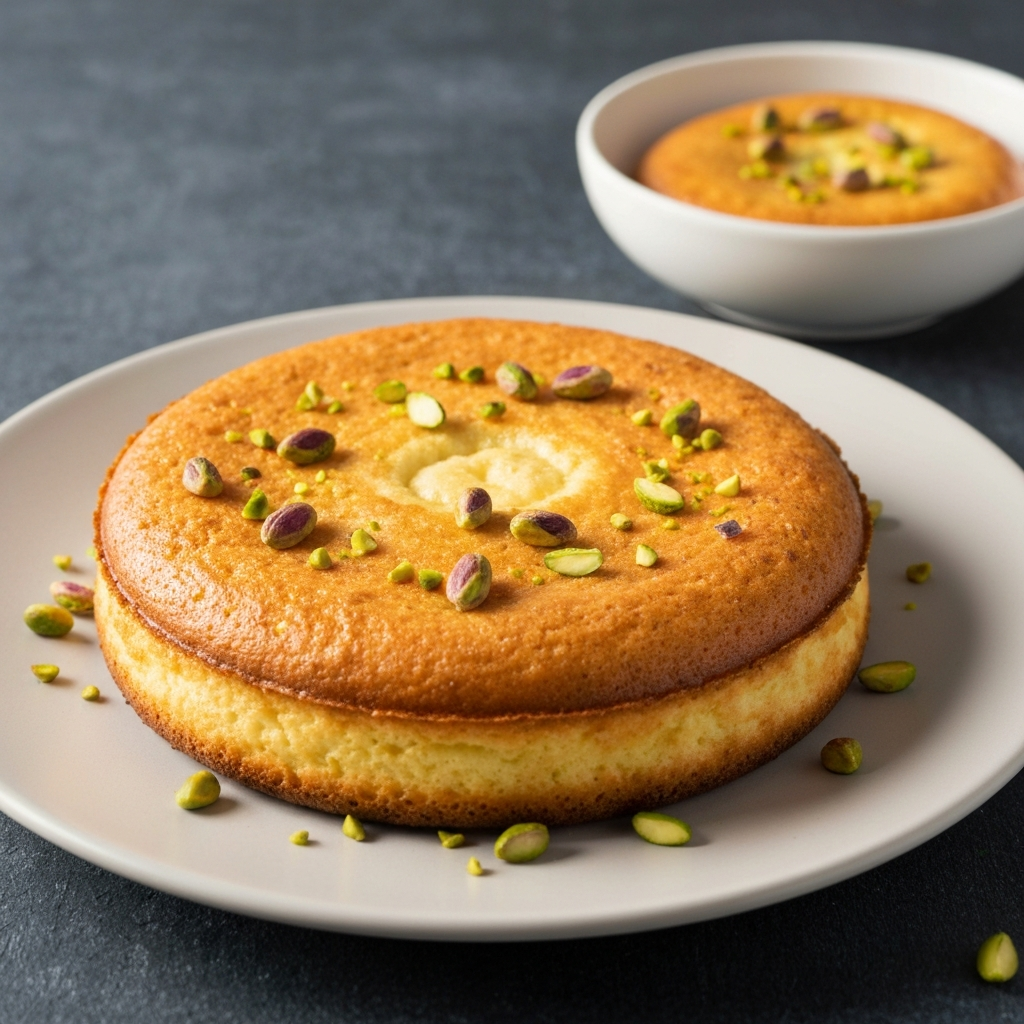
Dessert
Warm Ricotta Cake with Orange Zest and Pistachios
A light and fluffy ricotta cake provides a comforting yet not-too-heavy end to the meal. The orange zest offers a refreshing citrus note, and the pistachios add a subtle crunch and nutty flavor.
45 minutes
4 servings
Easy"A light and fluffy ricotta cake provides a comforting yet not-too-heavy end to the meal. The orange zest offers a refreshing citrus note that balances the savory richness of the carbonara, and the pistachios add a subtle crunch and nutty flavor, creating a harmonious and satisfying conclusion."
You Might Also Like...

Chicken Stroganoff
45 min
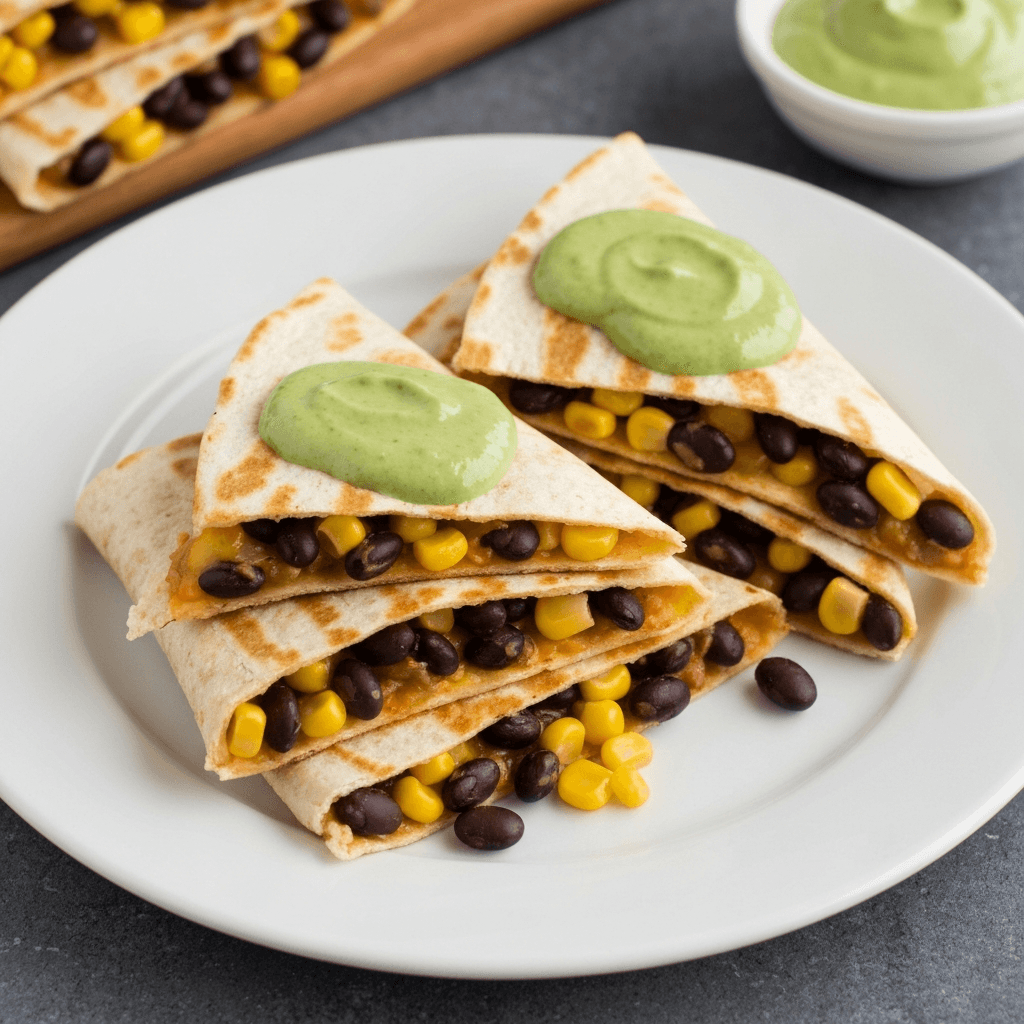
Black Bean and Corn Quesadillas with Avocado Crema
35 minutes
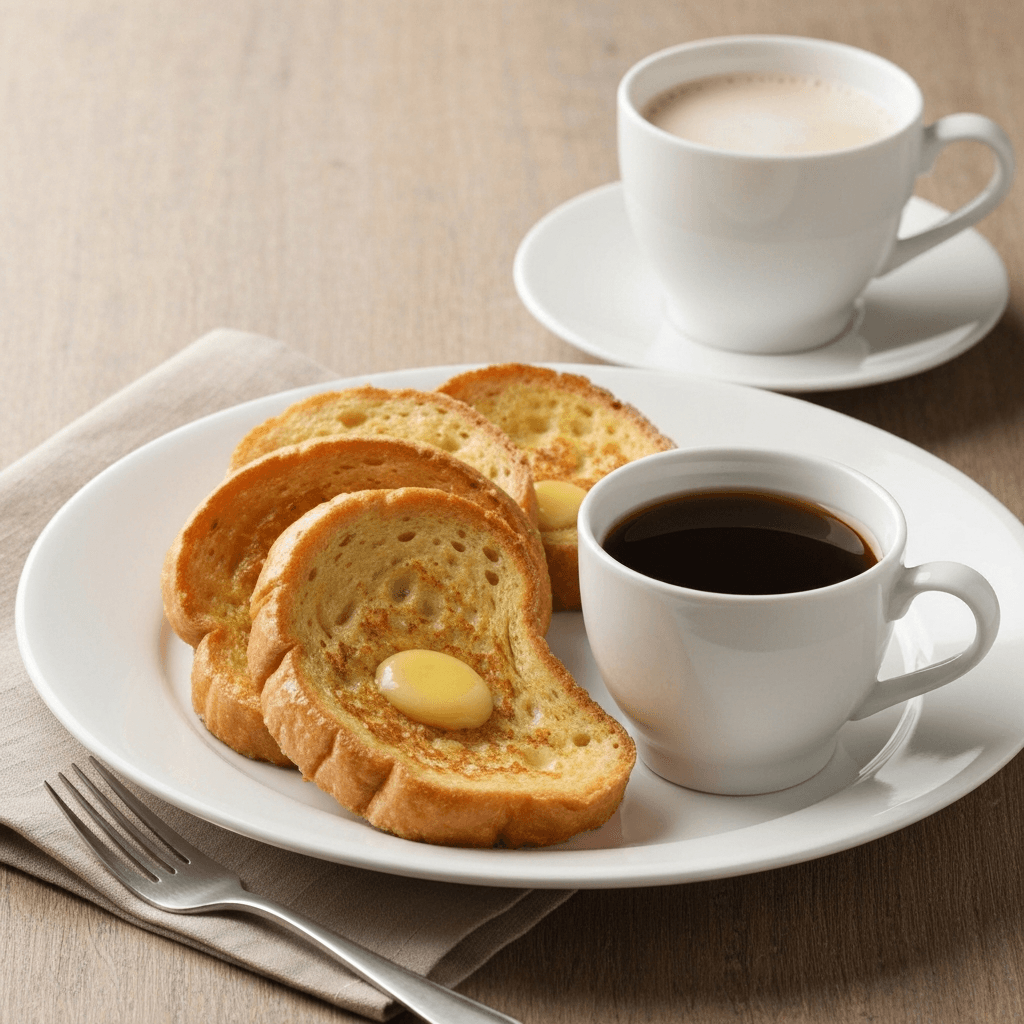
Classic French Breakfast: Pain Perdu & Café au Lait
30 minutes
Classic Cheese on Toast
10 minutes
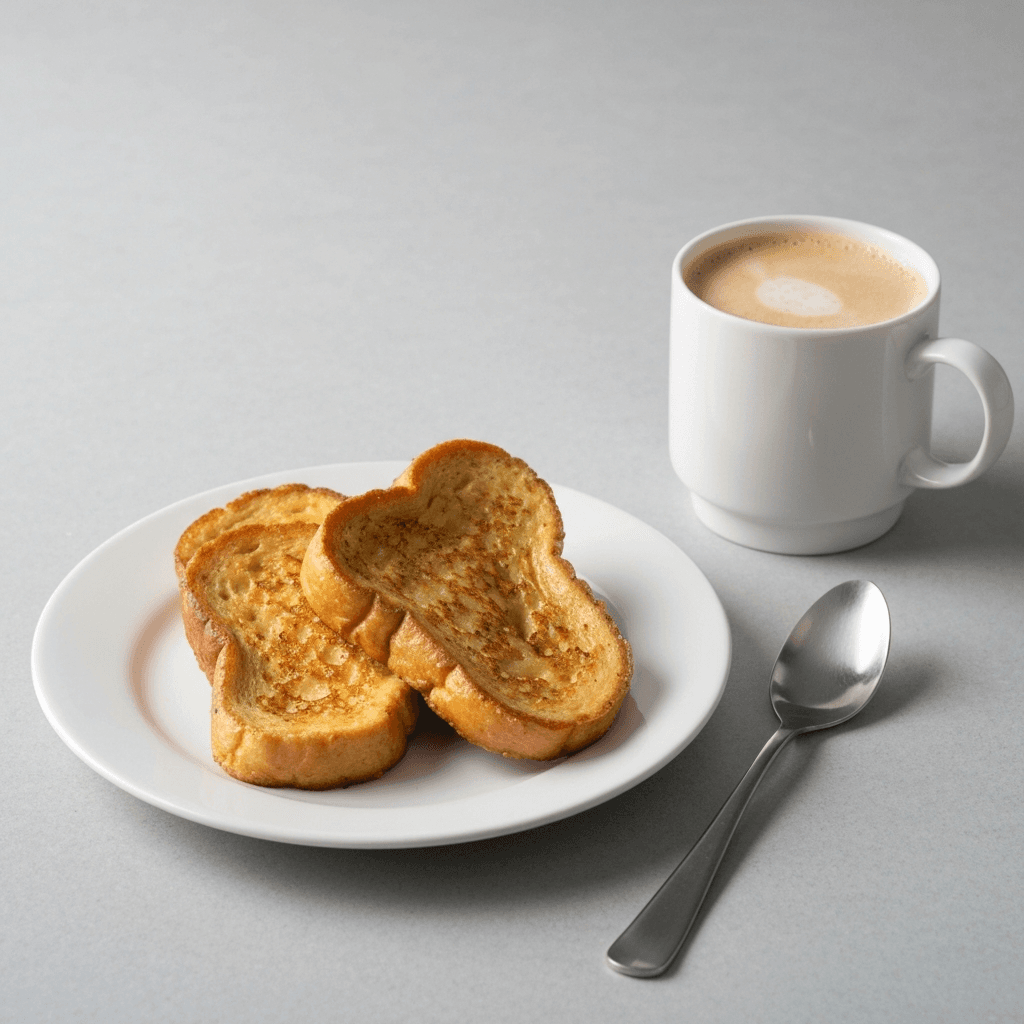
Pain Perdu & Café au Lait: A Classic French Breakfast
30 minutes

Chocolate Lava Cake
25 min
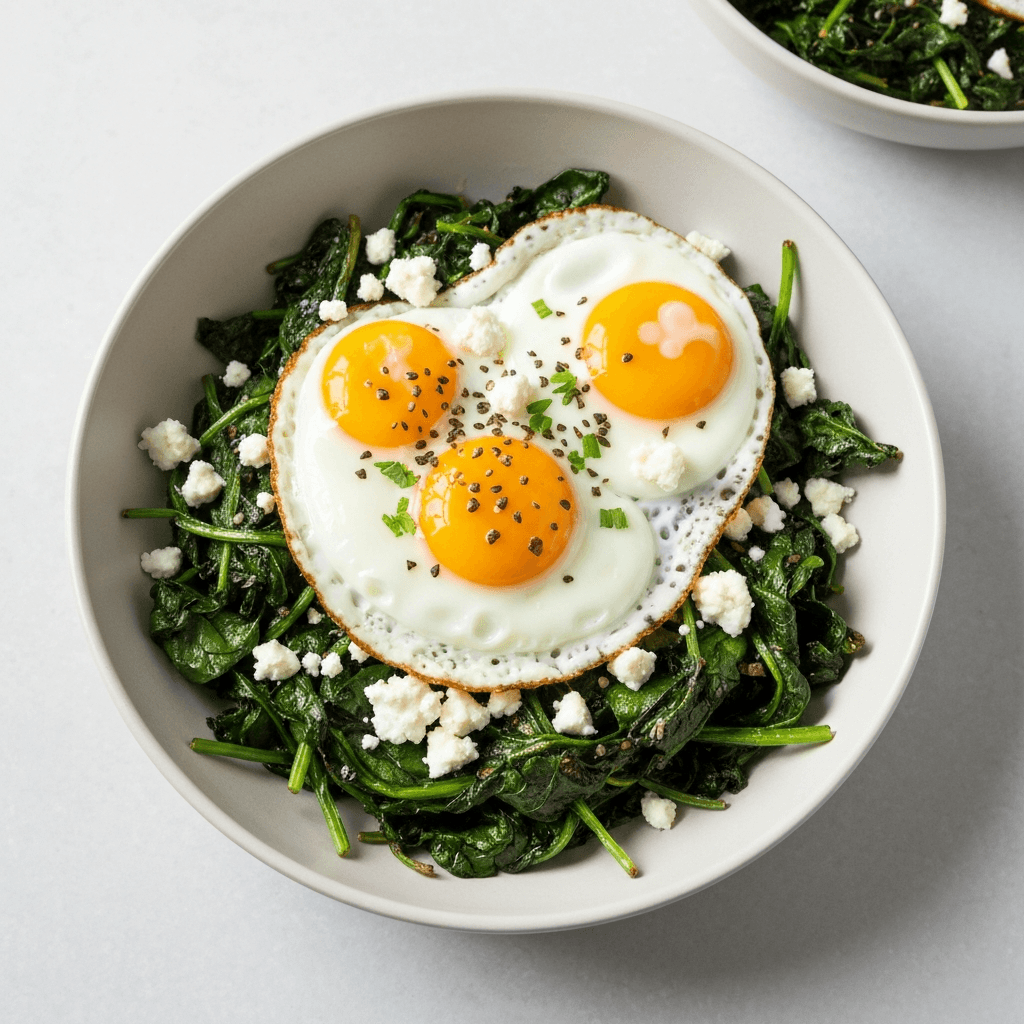
Roasted Spinach Breakfast Bowls with Eggs & Feta
30 minutes

Spaghetti Aglio e Olio with Chili
20 minutes

Classic Thermomix Tomato Soup
30 minutes

Forager's Ravioli
75 min

Best Miso Pumpkin Pasta
50 minutes
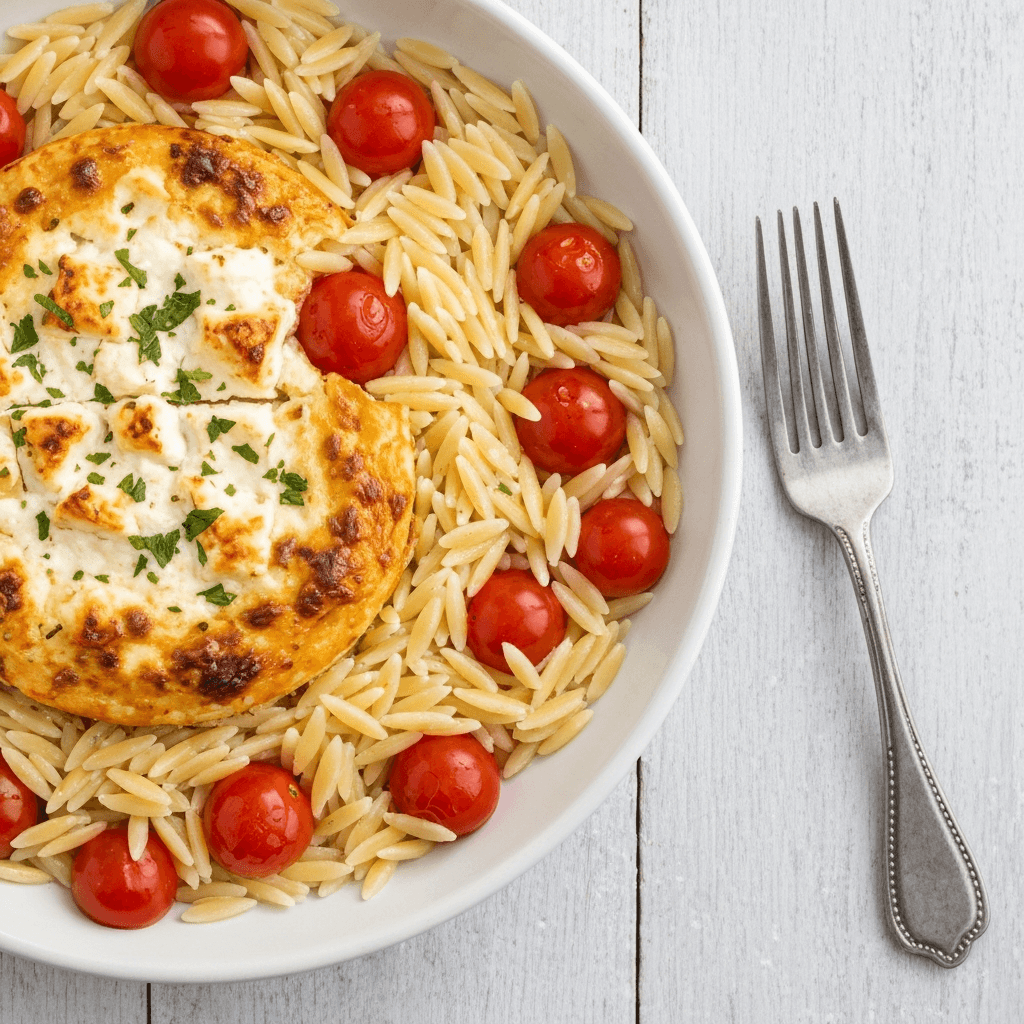
Baked Feta with Cherry Tomatoes and Orzo Pasta
45 minutes