Loading recipe...
MediumLunchDinner
Jersey Cabbage Kimchi with Local Twist
Several days for fermentation
8 Servings
165 kcal
Ingredients
Servings
8
🥬
2heads (about 3 lbs total)Jersey Cabbage
Napa cabbage is best, but Savoy works too if available and locally sourcedS$4.50
🧂
0.5cupCoarse Sea Salt
For brining the cabbageS$0.30
💧
8cupsWater
For brining the cabbage🥔
2mediumJersey Royal Potatoes
Boiled and mashed, adds creaminess and a subtle sweetnessS$0.80
🥛
0.3cupJersey Milk
Full fat, for a creamier kimchi pasteS$0.10
🧄
10clovesGarlic
MincedS$0.40
🛒
2tablespoonsGinger
GratedS$0.35
🌶️
0.5cupKorean Gochugaru (Korean Chili Powder)
Adjust to your spice preferenceS$3.50
🍗
0.3cupFish Sauce (or Vegetarian Fish Sauce)
Omit for vegan kimchi and replace with soy sauce or tamari.S$1.25
🛒
2tablespoonsSoy Sauce (or Tamari for Gluten-Free)
To add umami flavor, if not using fish sauce use 1/4 cupS$0.20
🛒
1tablespoonSugar
Granulated sugarS$0.05
🧅
4stalksGreen Onions
ChoppedS$0.60
🥕
1mediumCarrot
Julienned or gratedS$0.15
🛒
0.5cupRadish
Daikon radish is traditional, but any firm radish will do if locally sourced. Julienned or grated.S$0.50
Total Cost
S$12.70
S$1.59 per serving
The Method
1
**Prepare the Cabbage:** Cut the cabbage into quarters lengthwise, then cut each quarter into 1-2 inch pieces. Place the cabbage in a large bowl and sprinkle with the coarse sea salt. Add water to cover the cabbage completely. Toss to combine and ensure all the cabbage is submerged. Place a plate or weight on top of the cabbage to keep it submerged. Let it brine for 1-2 hours, flipping halfway through, until the cabbage is softened and pliable.
2
**Prepare the Potato Paste:** While the cabbage brines, boil the Jersey Royal potatoes until tender. Mash them thoroughly with the Jersey milk until smooth. Set aside to cool slightly.
3
**Make the Kimchi Paste:** In a large bowl, combine the mashed Jersey Royal potato mixture, minced garlic, grated ginger, gochugaru, fish sauce (or soy sauce/tamari substitute), and sugar. Mix well until a smooth paste forms. Taste and adjust the amount of gochugaru to your liking.
4
**Rinse and Drain the Cabbage:** After the cabbage has brined, rinse it thoroughly under cold water 3-4 times to remove excess salt. Drain well and squeeze out any excess water.
5
**Combine and Mix:** Add the rinsed and drained cabbage, chopped green onions, julienned carrot, and julienned radish to the bowl with the kimchi paste. Using your hands (wear gloves to protect your skin from the chili powder), thoroughly mix all the ingredients together, ensuring that the cabbage is evenly coated with the paste.
6
**Pack and Ferment:** Pack the kimchi tightly into clean glass jars or a fermentation crock, leaving about 1-2 inches of space at the top. Press down on the kimchi to release any trapped air. If using jars, you may want to place a small piece of cabbage leaf on top to help keep the kimchi submerged. If using a fermentation crock, follow the manufacturer's instructions.
7
**Ferment at Room Temperature:** Cover the jars or crock loosely to allow for the release of gases produced during fermentation. Leave the kimchi at room temperature (ideally around 65-72°F/18-22°C) for 1-5 days, depending on your taste and the temperature of your kitchen. Check the kimchi daily and press down on it to release any air bubbles. You'll notice bubbles forming and the kimchi becoming more sour as it ferments. Taste the kimchi after 2-3 days to determine when it has reached your desired level of fermentation. The warmer the room, the faster it will ferment.
8
**Refrigerate:** Once the kimchi has reached your desired level of fermentation, transfer it to the refrigerator. This will slow down the fermentation process. The kimchi will continue to ferment slowly in the refrigerator and will develop a more complex flavor over time. Kimchi can be stored in the refrigerator for several weeks or even months.
Stock Your Kitchen
My Kitchen Notes
Fetching notes...
Nutrition Information
Nutrition per serving (180g)
165 kcal / 690 kJ
Carbs
28g
11% of RDA
Fat
3g
4% of RDA
Protein
7g
14% of RDA
Detailed Breakdown
Fibre
6 g
20% of RDA
Sugar
10 g
11% of RDA
Sodium
850 mg
37% of RDA
Saturated Fat
1 g
5% of RDA
Chef's Tips
Use gloves when mixing the kimchi to avoid staining your hands with chili powder.
If you don't have fish sauce, you can substitute with soy sauce or tamari, but the flavor will be slightly different.
Adjust the amount of gochugaru to your liking. Start with less and add more to taste.
Make sure to pack the kimchi tightly in the jars to minimize air exposure and promote proper fermentation.
If you see mold growing on the surface of the kimchi during fermentation, discard the mold and any kimchi that has come into contact with it. The rest of the kimchi should be fine.
Burp your fermentation jar every day to release the build up of gasses.
Cooking Equipment
Large Mixing Bowls
Knife
Cutting Board
Glass Jars or Fermentation Crock
Wine Pairings
No wine pairing suggestions available for this recipe.
You Might Also Like...
Jersey Strawberry and Basil Pizza with Balsamic Glaze
45 minutes
Jersey Royal Potato & Asparagus Gratin Dauphinois
1 hour 5 minutes
Roasted Jersey Beetroot and Lentil Salad with Orange Vinaigrette
60 minutes
Jersey Bean and Potato Dumplings with Garlic Herb Butter
55 minutes
Jersey Strawberry and Jersey Milk Panna Cotta with Balsamic Glaze
25 minutes (plus 4 hours chilling)
Jersey Royal Potato and Crab Empanadas with Chipotle Mayo
50 minutes
Jersey Milk and Honey Semifreddo with Fig Jam
35 minutes (plus freezing time)
Jersey Apple Chutney with Ginger and Spices
1 hour 5 minutes
Jersey Royal Potato and Watercress Salad with Smoked Salmon
35 minutes
Jersey Cabbage and Carrot Coleslaw with a Tangy Jersey Royal Potato Dressing
40 minutes
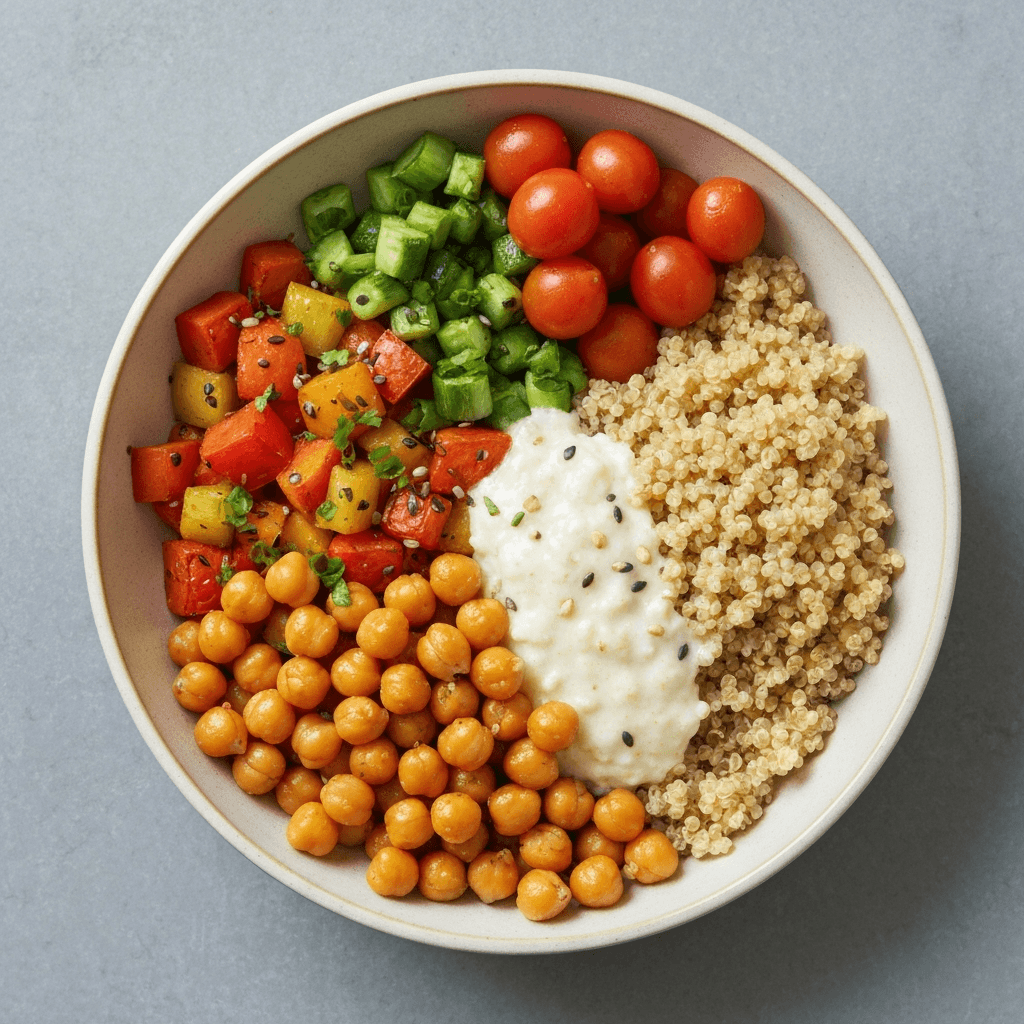
Roasted Vegetable and Chickpea Quinoa Bowl with Lemon-Tahini Dressing
45 minutes
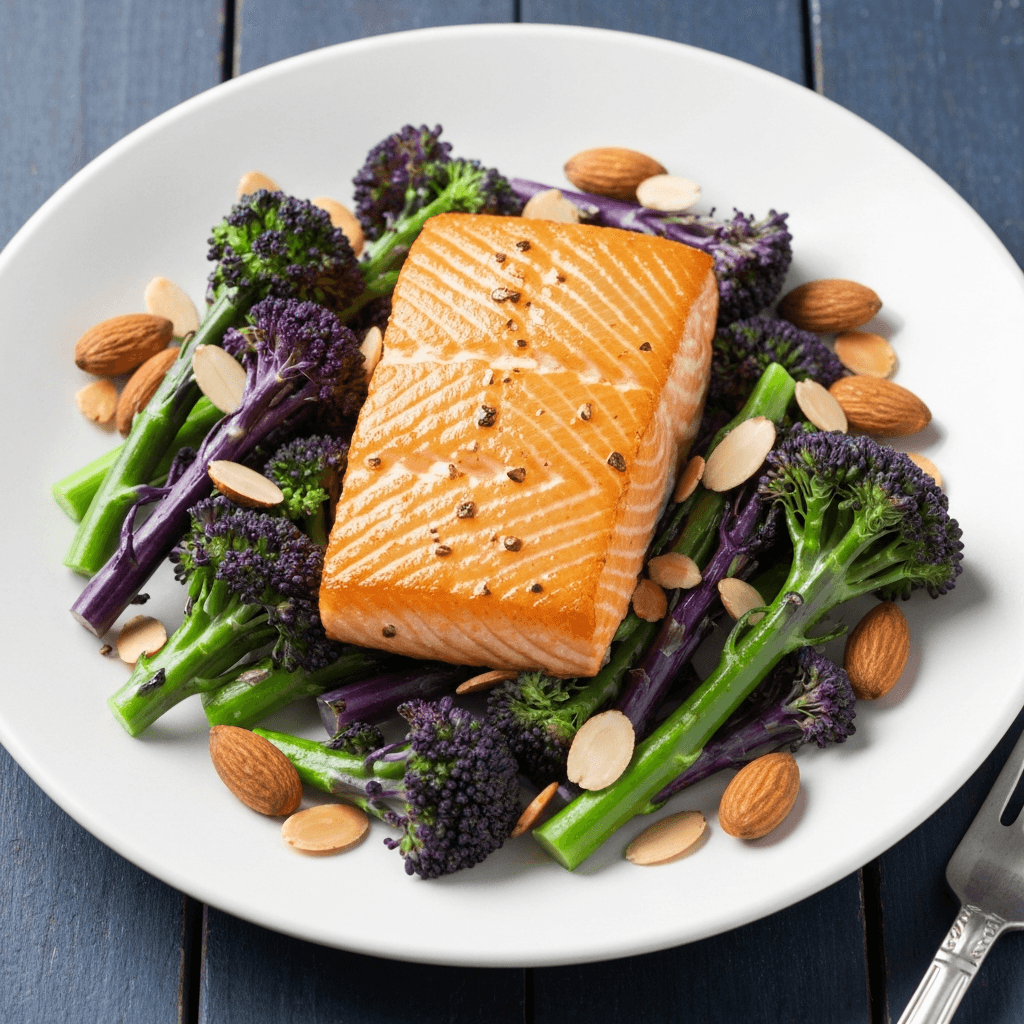
Jersey Butter Roasted Salmon with Purple Sprouting Broccoli & Toasted Almonds
40 minutes