Loading recipe...
MediumBreakfastJersey
Jersey Cabbage Kimchi with Jersey Royal Potato Porridge
1 hour 15 minutes
6 Servings
320 kcal
Ingredients
Servings
6
🥬
1medium headJersey Cabbage
Napa cabbage substitute. Roughly 2 lbs, outer leaves removed and discarded, rinsed thoroughly.S$1.50
🧂
0.5cupSea Salt
Coarse sea saltS$0.30
💧
8cupsWater
For brining🥔
1lbJersey Royal Potatoes
Peeled and diced smallS$2.50
💧
2cupsWater
For the potato porridge🧅
0.5mediumOnion
ChoppedS$0.20
🧄
6clovesGarlic
MincedS$0.30
🛒
1tablespoonGinger
GratedS$0.15
🛒
1mediumJersey Leeks
White and light green parts only, thinly slicedS$1.20
🌶️
3tablespoonsRed Pepper Flakes (Gochugaru Substitute)
Adjust to your spice preference. Use a blend of dried local chili peppers, if available, ground into flakes.S$0.75
🍗
3tablespoonsFish Sauce
Substitute: Vegan fish sauce or extra soy sauceS$0.40
🛒
1tablespoonSoy Sauce
Low sodium preferredS$0.10
🛒
1tablespoonRaw Sugar
Can be substituted with honey or maple syrupS$0.05
🥕
1mediumCarrot
JuliennedS$0.15
🛒
4mediumRadish
Julienned (Daikon radish substitute if available)S$0.50
🧅
4stalksSpring Onions
ChoppedS$0.60
🧈
1tablespoonJersey Butter
Optional, for sautéing leeks. Use oil for vegan version.S$0.25
Total Cost
S$8.95
S$1.49 per serving
The Method
1
Cut the Jersey cabbage into 2-inch pieces, separating the leaves. Place in a large bowl.
2
Dissolve sea salt in 8 cups of water. Pour over the cabbage, ensuring it's submerged. Weigh down with a plate to keep it submerged. Let it brine for at least 2 hours, or up to 4 hours, flipping the cabbage halfway through. Rinse the cabbage thoroughly in cold water 3 times. Drain well, pressing out excess water. Set aside.
3
While the cabbage brines, prepare the potato porridge. In a saucepan, combine diced Jersey Royal potatoes and 2 cups of water. Bring to a boil, then reduce heat and simmer until potatoes are very soft (about 20 minutes).
4
Transfer the cooked potatoes and cooking water to a food processor or blender. Blend until smooth and creamy. Set aside to cool slightly.
5
In a separate pan, melt Jersey butter (or oil substitute) over medium heat. Add sliced leeks and sauté until softened, about 5 minutes.
6
In a large mixing bowl, combine the cooled potato porridge, sautéed leeks, minced garlic, grated ginger, red pepper flakes, fish sauce (or vegan substitute), soy sauce, and raw sugar. Mix well to create the kimchi paste.
7
Add the rinsed and drained cabbage, julienned carrot, radish, and chopped spring onions to the bowl with the kimchi paste.
8
Using your hands (wear gloves to avoid staining), thoroughly massage the paste into the cabbage and other vegetables, ensuring everything is well coated.
9
Pack the kimchi into a clean, airtight container or jar, pressing down firmly to remove air pockets. Leave about an inch of headspace at the top.
10
Let the kimchi ferment at room temperature for 1-5 days, depending on your preference for sourness. Check daily. Press down on the kimchi each day to release any trapped gasses. You will see bubbles form.
11
Once fermented to your liking, transfer the kimchi to the refrigerator to slow down the fermentation process. The kimchi will continue to ferment slowly in the refrigerator and can last for several weeks.
Stock Your Kitchen
My Kitchen Notes
Fetching notes...
Nutrition Information
Nutrition per serving (350g)
320 kcal / 1339 kJ
Carbs
53g
20% of RDA
Fat
6g
9% of RDA
Protein
11g
22% of RDA
Detailed Breakdown
Fibre
10 g
33% of RDA
Sugar
14 g
16% of RDA
Sodium
1250 mg
54% of RDA
Saturated Fat
3 g
15% of RDA
Chef's Tips
Taste the kimchi daily during fermentation to monitor its sourness. Once it reaches your desired level, refrigerate it.
Use clean utensils when serving kimchi to prevent contamination and extend its shelf life.
For a more intense flavour, add some salted shrimp (saeujeot) or anchovy sauce (myeolchijeot) to the kimchi paste. These can usually be found in Asian grocery stores.
Adjust the amount of red pepper flakes according to your heat preference.
If you can't find Jersey Leeks, you can use regular leeks instead.
Experiment with other local seasonal produce! Finely shredded beets or kohlrabi would also work well.
Cooking Equipment
Large Mixing Bowl
Food Processor or Blender
Airtight Container or Jar
Wine Pairings
No wine pairing suggestions available for this recipe.
You Might Also Like...

Slow-Cooked Jersey Cream with Berries and Honey
2 hours 35 minutes

Savory Asian Rice Porridge (Congee) with Ginger and Scallions
45 minutes
Jersey Royal Potato and Smoked Salmon Blinis with Crème Fraîche
45 minutes

Savory Japanese Breakfast Bowl (Okayu with Miso Salmon)
45 minutes

Jersey Butter & Courgette Risotto
45 minutes
Jersey Milk Chocolate and Hazelnut Biscotti
65 minutes
Jersey Royal Potato and Smoked Haddock Kedgeree
45 minutes
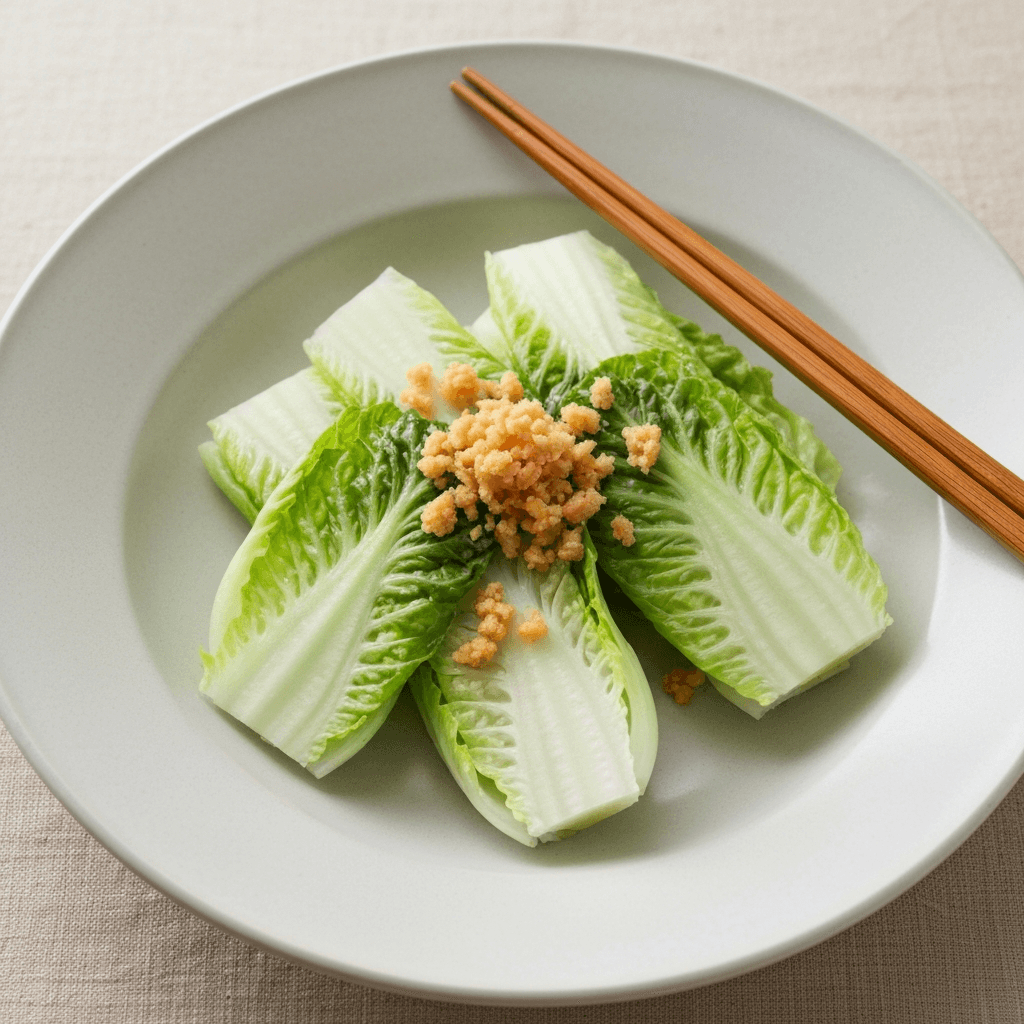
Gently Steamed Lettuce with Sesame and Ginger
10 minutes
Jersey Royal Potato and Jersey Milk Risotto with Saffron
45 minutes
Jersey Royal Potato and Smoked Mackerel Kedgeree
55 minutes

Baked Jersey Butter Toast with Berry Compote
45 minutes
Lemon and Ricotta Pancakes with Jersey Honey
35 minutes