Loading recipe...
MediumDessertJersey
Black Butter and Sea Salt Ice Cream
4 hours 45 minutes (includes chilling time)
4 Servings
620 kcal
Ingredients
Servings
4
🥛
500mlJersey Full-Fat Milk
The richer the milk, the creamier the ice cream.S$1.20
🥛
250mlJersey Double Cream
For extra richness and a smooth texture.S$3.00
🛒
125gCaster Sugar
Adjust to your preference.S$0.40
🥚
4Egg Yolks
Large, from free-range hens.S$1.20
🧈
100gBlack Butter
Authentic Jersey Black Butter (recipe can be found online).S$3.50
🛒
1tspVanilla Extract
Optional, enhances the flavors.S$0.20
🧂
0.5tspSea Salt Flakes
Maldon sea salt recommended, for sprinkling on top.S$0.10
Total Cost
S$9.60
S$2.40 per serving
The Method
1
In a saucepan, gently heat the Jersey milk and cream over medium heat until it almost simmers. Do not boil.
2
While the milk and cream are heating, whisk together the egg yolks and sugar in a separate bowl until pale and thick.
3
Slowly pour the warm milk and cream mixture into the egg yolk mixture, whisking constantly to prevent the eggs from scrambling. This is called tempering the eggs.
4
Pour the mixture back into the saucepan and cook over low heat, stirring constantly with a wooden spoon, until the mixture thickens slightly and coats the back of the spoon. This should take about 5-10 minutes. Do not let it boil.
5
Remove the saucepan from the heat and stir in the Black Butter and vanilla extract (if using) until well combined. Blend using an immersion blender to ensure a smooth, even consistency.
6
Pour the mixture into a bowl, cover with plastic wrap (pressing it directly onto the surface of the custard to prevent a skin from forming), and refrigerate for at least 4 hours, or preferably overnight, to allow it to chill completely.
7
Once chilled, churn the mixture in an ice cream maker according to the manufacturer's instructions. If you don't have an ice cream maker, you can pour the mixture into a freezer-safe container and freeze for 2-3 hours, stirring every 30 minutes to break up ice crystals.
8
Once the ice cream has reached your desired consistency (soft-serve or firmer), transfer it to a freezer-safe container and freeze for another 1-2 hours to harden completely.
9
Before serving, let the ice cream soften slightly at room temperature for a few minutes. Sprinkle with sea salt flakes just before serving.
Stock Your Kitchen
My Kitchen Notes
Fetching notes...
Nutrition Information
Nutrition per serving (244g)
620 kcal / 2594 kJ
Carbs
33g
13% of RDA
Fat
52g
74% of RDA
Protein
8g
16% of RDA
Detailed Breakdown
Fibre
0 g
Sugar
33 g
37% of RDA
Sodium
160 mg
7% of RDA
Saturated Fat
33 g
165% of RDA
Chef's Tips
Using Jersey milk and cream is key to achieving the creamiest texture and richest flavor. If unavailable, use the highest quality full-fat milk and double cream you can find.
Black Butter recipes vary. Choose a recipe that features apples, cider, spices, and is slowly cooked until dark and rich. If buying pre-made black butter, ensure it’s authentically Jersey.
Do not overcook the custard base, or the eggs will scramble. If this happens, you can try straining the mixture through a fine-mesh sieve.
Churning the ice cream mixture properly is essential for a smooth texture. Follow the ice cream maker's instructions carefully. If hand-churning, frequent stirring is key to preventing ice crystals.
For a more pronounced salty flavor, you can add a pinch of sea salt to the custard base before churning.
Cooking Equipment
Saucepan
Ice cream maker (optional)
Blender or Immersion Blender
Wine Pairings
No wine pairing suggestions available for this recipe.
You Might Also Like...

Jersey Dairy Ice Cream with Local Strawberries and Honeycomb
35 minutes (plus freezing time)
.png%3Ftoken%3DeyJraWQiOiJzdG9yYWdlLXVybC1zaWduaW5nLWtleV85NDRhOThlNi00Y2M1LTQ4MTktODI3Ny0xYWQ5ZjFhNDhjZjUiLCJhbGciOiJIUzI1NiJ9.eyJ1cmwiOiJzaXRlLWZvb2QtaW1hZ2VzL0dlbmVyYXRlZCBpbWFnZSAxICg0KS5wbmciLCJpYXQiOjE3NjI1NDY2OTcsImV4cCI6MjMwMzQ5NzA5N30.bUDsmlqZ6sbzm3OA-WX7_QCC5nN-c3bK3chHi5vzeuc&w=1920&q=75)
Buttered Lettuce and Pea Tart with Jersey Butter Crust
1 hour 10 minutes
Jersey Royal Potato and Goat Cheese Croquettes
45 minutes
Jersey Strawberry and Rhubarb Crumble Muffins with Oat Streusel
45 minutes
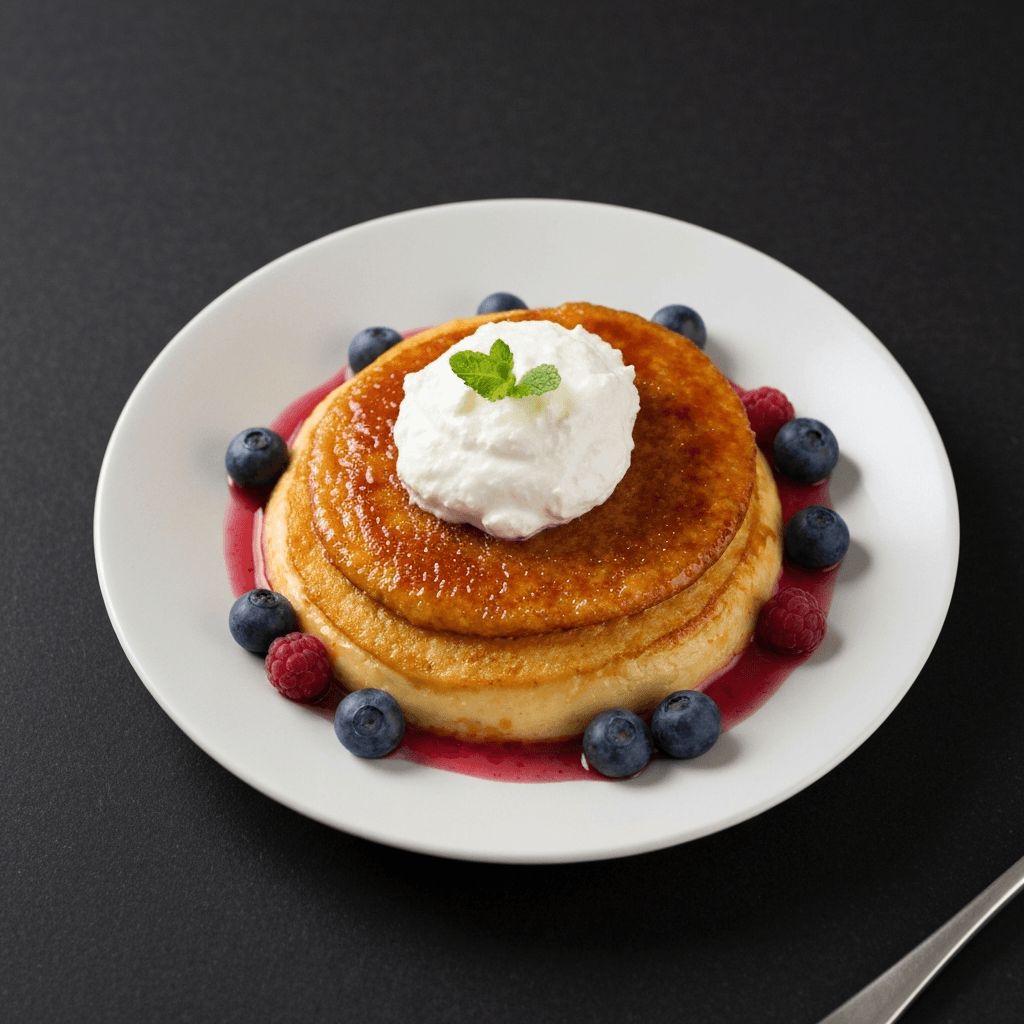
Caramelized Jersey Cream Stir-Fry with Berries
30 minutes
Jersey Milk Chocolate Mousse with Raspberry Coulis
30 minutes + chilling time (at least 4 hours)
Jersey Milk Chocolate and Hazelnut Biscotti
65 minutes
Baked Jersey Butter Pudding
45 minutes
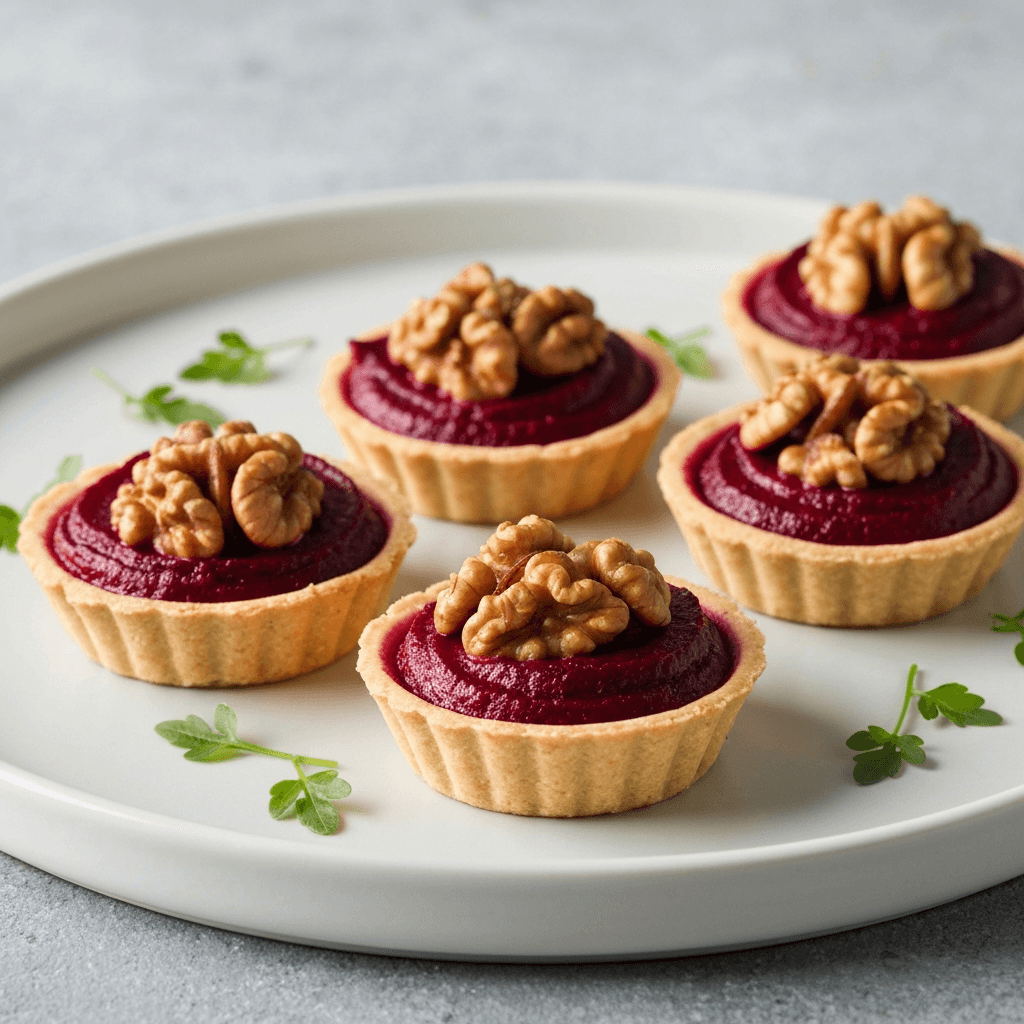
Roasted Beetroot and Jersey Cream Tartlets with Walnut Crumble
55 minutes
Jersey Milk Caramel Tart with Sea Salt & Jersey Royal Undertones
1 hour 15 minutes
Jersey Clotted Cream and Blackberry Ice Cream
30 minutes + chilling/freezing
Jersey Butter Shortbread Cookies with Sea Salt
40-45 minutes