Wok Hei Unlocked: Stir-Frying Secrets for Home Cooks
Master wok hei, the smoky soul of stir-fries! This guide covers equipment, techniques, and recipes for authentic Asian flavors at home.
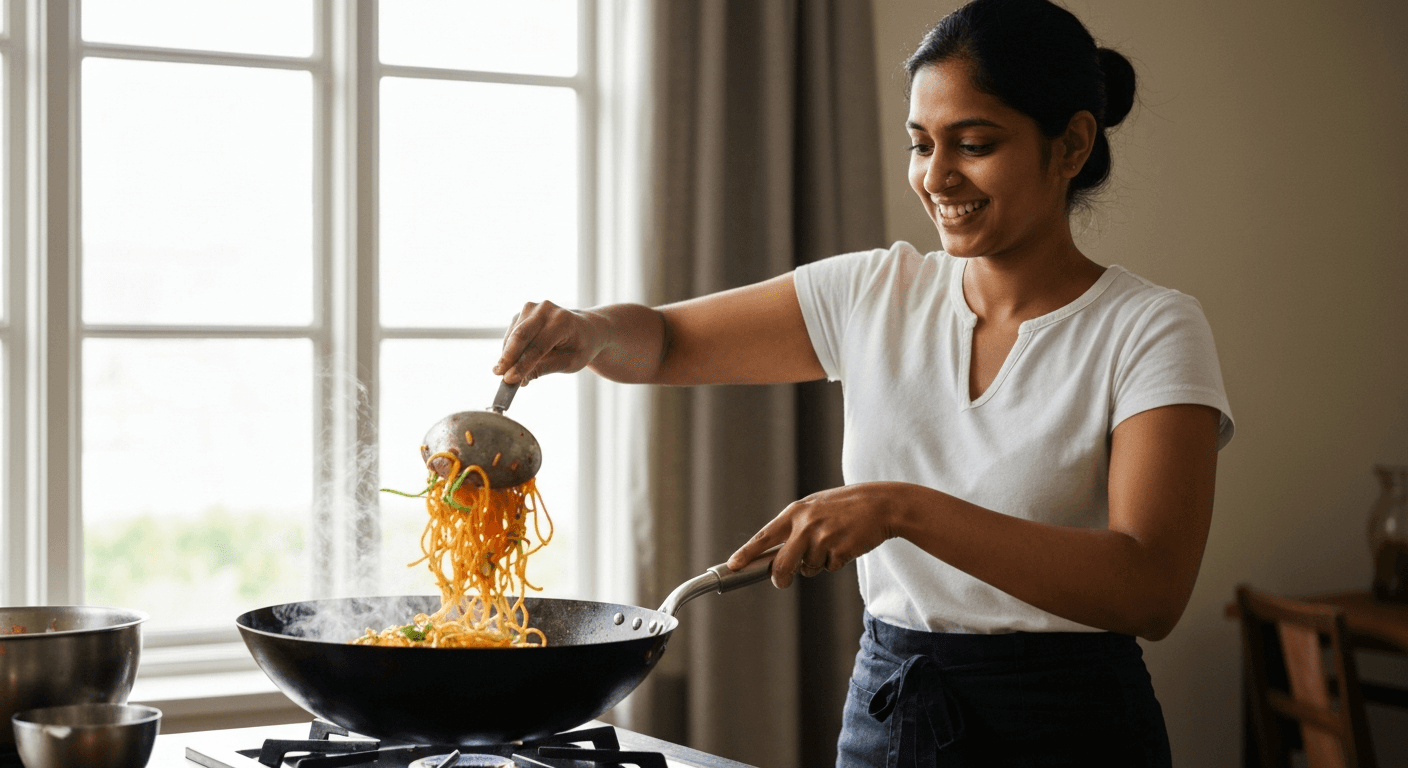
Unlock Wok Hei: A Beginner's Guide to Stir-Frying Like a Pro
Wok hei, often translated as "breath of the wok," is that elusive smoky, slightly charred flavor that elevates stir-fries from simple meals to culinary experiences. It's the hallmark of expertly prepared Asian cuisine, and while it might seem intimidating to achieve at home, with the right tools and techniques, you can unlock its secrets.
This guide will walk you through everything you need to know, from selecting the perfect wok to mastering high-heat cooking, preparing your ingredients, and ultimately, creating stir-fries that boast that coveted wok hei flavor.
The Essential Wok Toolkit
Before you even think about turning on the heat, having the right equipment is crucial. Here's a breakdown of the essential tools for wok cooking:
-
The Wok: The most important piece! Opt for a carbon steel wok, preferably with a round bottom if you have a powerful gas stove. A flat-bottomed wok is better suited for electric or induction cooktops. Look for a wok with a long wooden handle for easy maneuvering and a smaller helper handle for stability.
-
Wok Ring (Optional): If you have a round-bottomed wok and a flat stovetop, a wok ring is essential to stabilize the wok and concentrate heat.
-
Spatula (Chuan): A long-handled, slightly curved spatula is ideal for scraping the wok's surface and tossing ingredients efficiently. Metal spatulas are preferred for their durability and heat resistance.
-
Ladle (Hoak): Use a ladle for adding sauces and oils to the wok.
-
Long Chopsticks or Tongs: For maneuvering smaller ingredients and testing for doneness.
-
Spider Skimmer: Useful for removing fried foods from oil.
Choosing the Right Wok: A Deeper Dive
Carbon steel woks are the gold standard for a reason. They heat up quickly, distribute heat evenly, and develop a natural non-stick patina over time with proper seasoning.
Consider these factors when choosing your wok:
-
Material: Carbon steel is best. Avoid non-stick woks, as they don't withstand the high heat required for wok hei.
-
Thickness: A slightly thicker wok (around 14-gauge) will retain heat better.
-
Size: A 14-inch wok is a good size for most home cooks.
-
Handle: Opt for a wooden handle that stays cool to the touch.
Seasoning Your Wok: The Foundation for Success
Seasoning a carbon steel wok is crucial to prevent sticking and develop that desirable non-stick patina. Here's how to do it:
-
Clean the wok: Scrub the wok thoroughly with hot, soapy water to remove any manufacturing oils. Dry it completely.
-
Heat the wok: Place the wok over high heat until it starts to turn blue or gray.
-
Oil it up: Reduce the heat to medium and add a tablespoon of high-smoke-point oil (like peanut, canola, or vegetable oil) to the wok. Use a paper towel or cloth to rub the oil all over the inside surface, including the sides.
-
Heat and repeat: Continue heating the wok until it starts to smoke. Remove from heat and let it cool slightly. Repeat the oiling and heating process several times until the wok has a dark, almost black, non-stick surface.
-
Maintain the seasoning: After each use, clean the wok with hot water and a soft sponge (avoid soap unless absolutely necessary). Dry it thoroughly and lightly oil it to prevent rusting.
Common Mistakes:
-
Using too much soap during cleaning can strip the seasoning.
-
Failing to dry the wok completely after washing can lead to rust.
-
Using low-smoke-point oils for seasoning.
Tip: Over time, your wok will develop a unique patina that reflects your cooking style. Don't be afraid of imperfections; they add character and contribute to the wok hei flavor.
High-Heat Techniques: The Key to Wok Hei
Wok hei is all about high heat. The intense heat sears the ingredients quickly, creating that characteristic smoky char while preserving their crispness.
Here's how to maximize heat in your wok:
-
Preheat the wok: Before adding any oil or ingredients, heat the wok over high heat until it's smoking hot. This ensures that the ingredients sear immediately upon contact.
-
Use high-smoke-point oils: Oils like peanut, canola, vegetable, or grapeseed oil can withstand the high temperatures required for wok cooking without burning.
-
Don't overcrowd the wok: Adding too many ingredients at once will lower the temperature of the wok, resulting in steamed instead of stir-fried food. Cook in batches if necessary.
-
Keep things moving: Continuously toss and stir the ingredients to ensure even cooking and prevent burning. This is where your wok spatula comes in handy.
-
Flame kissing (optional): If you have a gas stove, you can intentionally let the flames lick up the sides of the wok to enhance the smoky flavor. Be careful not to burn yourself!
Adapting to Different Stovetops
Not everyone has a high-powered gas stove, but that doesn't mean you can't achieve wok hei at home. Here's how to adapt your technique to different stovetops:
-
Gas Stoves: Gas stoves are ideal for wok cooking because they provide high, direct heat. Use a wok ring if you have a round-bottomed wok.
-
Electric Stoves: Electric stoves can be challenging because they don't heat up as quickly and don't distribute heat as evenly. Use a flat-bottomed wok and preheat it thoroughly. Cook in smaller batches to avoid overcrowding.
-
Induction Stoves: Induction stoves heat up quickly and provide precise temperature control, making them a good option for wok cooking. Use a flat-bottomed wok designed for induction cooktops.
Tip: Regardless of your stovetop, patience is key. Allow the wok to preheat thoroughly before adding any ingredients.
Ingredient Preparation: Mise en Place is Your Friend
In the fast-paced world of stir-frying, preparation is paramount. Having all your ingredients prepped and ready to go (mise en place) ensures that you can cook quickly and efficiently, maximizing wok hei.
Here's how to prepare your ingredients for stir-frying:
-
Cut ingredients into uniform sizes: This ensures even cooking. Aim for bite-sized pieces that will cook quickly.
-
Marinate proteins: Marinating proteins not only adds flavor but also helps to tenderize them. A simple marinade of soy sauce, rice wine, and cornstarch is a good starting point.
-
Prepare sauces in advance: Combine all the sauce ingredients in a bowl so they're ready to add to the wok at the right time.
-
Have everything within reach: Arrange your prepped ingredients, sauces, and utensils within easy reach of the stovetop.
The Importance of Slicing Techniques
The way you slice your ingredients can significantly impact the texture and flavor of your stir-fry. Here are a few common slicing techniques:
-
Slicing against the grain: For meats, slicing against the grain shortens the muscle fibers, making them more tender.
-
Bias-cut: Cutting vegetables on a diagonal creates more surface area, allowing them to cook more quickly and absorb more flavor.
-
Mincing: Finely mincing aromatics like garlic and ginger releases their flavor more readily.
Tip: Practice your knife skills to improve your efficiency and consistency in the kitchen.
Classic Stir-Fry Recipes to Master
Now that you have the equipment and techniques down, it's time to put them into practice. Here are a few classic stir-fry recipes to get you started:
Beef and Broccoli Stir-Fry
Ingredients:
-
1 lb beef sirloin, thinly sliced against the grain
-
1 head of broccoli, cut into florets
-
2 cloves garlic, minced
-
1 inch ginger, minced
-
1/4 cup soy sauce
-
2 tbsp oyster sauce
-
1 tbsp rice wine
-
1 tbsp cornstarch
-
1 tsp sugar
-
1/4 cup vegetable oil
Instructions:
-
Marinate the beef with 1 tbsp soy sauce, 1 tbsp rice wine, and 1 tbsp cornstarch for 15 minutes.
-
Blanch the broccoli florets in boiling water for 1 minute, then drain and set aside.
-
Heat the wok over high heat until smoking hot. Add 2 tbsp of vegetable oil.
-
Add the marinated beef and stir-fry until browned, about 2-3 minutes. Remove from the wok and set aside.
-
Add the remaining 2 tbsp of vegetable oil to the wok. Add the garlic and ginger and stir-fry until fragrant, about 30 seconds.
-
Add the broccoli florets and stir-fry for 2-3 minutes.
-
In a small bowl, combine the remaining soy sauce, oyster sauce, sugar, and 1/4 cup of water. Pour the sauce into the wok and bring to a simmer.
-
Return the beef to the wok and stir-fry until heated through, about 1 minute.
-
Serve immediately over rice.
Chicken and Vegetable Stir-Fry
Ingredients:
-
1 lb boneless, skinless chicken breasts, cut into bite-sized pieces
-
1 red bell pepper, sliced
-
1 yellow bell pepper, sliced
-
1 onion, sliced
-
2 cloves garlic, minced
-
1 inch ginger, minced
-
1/4 cup soy sauce
-
2 tbsp honey
-
1 tbsp rice vinegar
-
1 tbsp sesame oil
-
1/4 cup vegetable oil
Instructions:
-
Marinate the chicken with 1 tbsp soy sauce and 1 tbsp cornstarch for 15 minutes.
-
Heat the wok over high heat until smoking hot. Add 2 tbsp of vegetable oil.
-
Add the marinated chicken and stir-fry until cooked through, about 5-7 minutes. Remove from the wok and set aside.
-
Add the remaining 2 tbsp of vegetable oil to the wok. Add the garlic and ginger and stir-fry until fragrant, about 30 seconds.
-
Add the bell peppers and onion and stir-fry for 3-5 minutes, until slightly softened.
-
In a small bowl, combine the remaining soy sauce, honey, rice vinegar, and sesame oil. Pour the sauce into the wok and bring to a simmer.
-
Return the chicken to the wok and stir-fry until heated through, about 1 minute.
-
Serve immediately over rice or noodles.
Mastering the Art of Wok Hei: Final Thoughts
Achieving wok hei is a journey, not a destination. Don't be discouraged if your first few attempts aren't perfect. With practice and patience, you'll develop a feel for the heat, the ingredients, and the techniques required to create authentic and flavorful stir-fries.
Remember to focus on high heat, proper ingredient preparation, and continuous movement. And most importantly, have fun experimenting and exploring the vast and delicious world of wok cooking!