Unlocking the Artichoke: A Complete Guide to Cleaning & Cooking
Demystify the artichoke! Learn to clean, prep, and cook these delicious thistles with confidence.
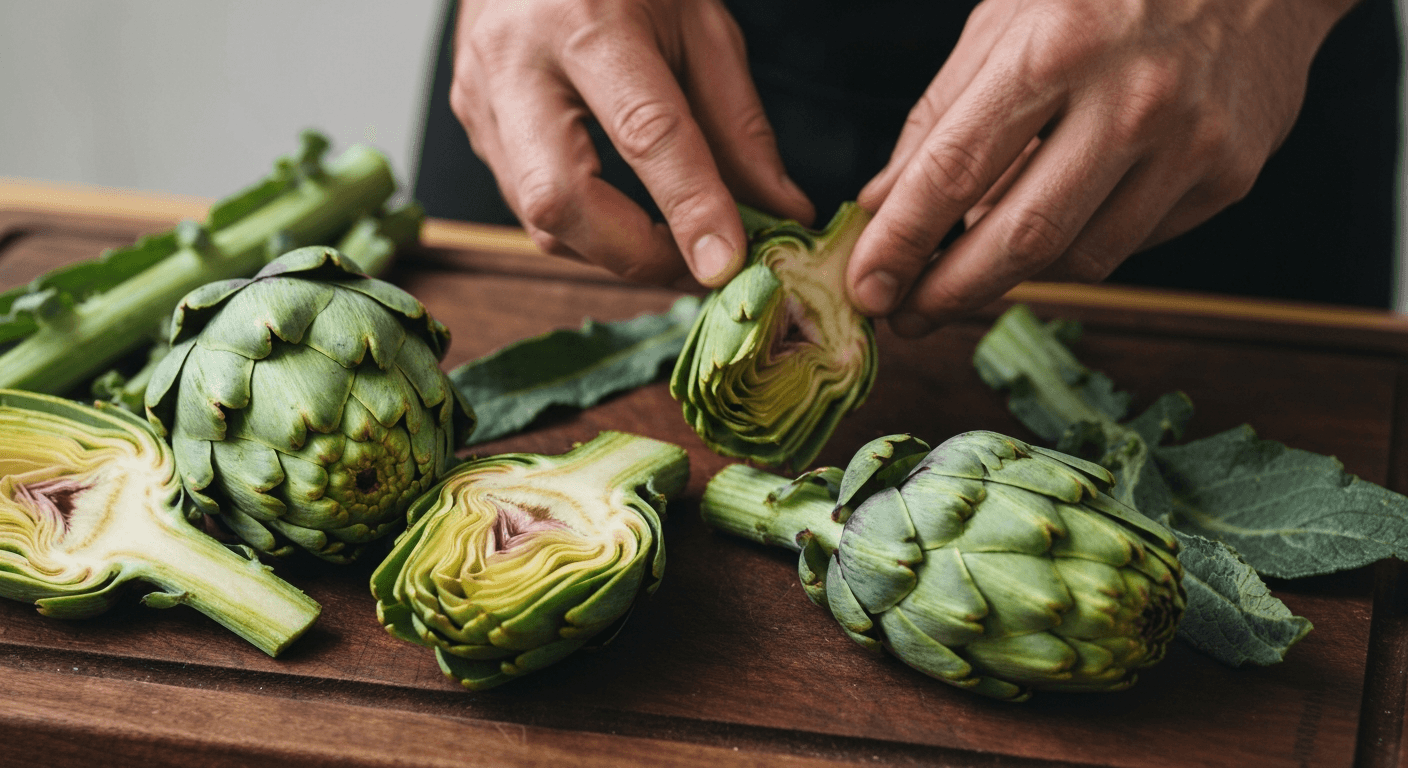
Artichokes. These intriguing, almost alien-looking vegetables often sit on grocery store shelves, radiating an aura of mystery and culinary challenge. Many home cooks shy away, intimidated by their prickly exterior and perceived complexity. But fear not! This comprehensive guide will demystify the artichoke, empowering you to confidently clean, prepare, and cook these delicious thistles for a truly rewarding culinary experience.
We'll break down each step, from selecting the perfect artichoke to mastering various cooking methods, ensuring your artichoke adventure is a flavorful success.
Selecting the Perfect Artichoke
The first step to artichoke mastery is choosing the right specimens. A good artichoke should feel heavy for its size, indicating a tightly packed heart and plenty of edible flesh. Look for these key characteristics:
- Weight: As mentioned, heavier is better. This signifies moisture and density.
- Squeak: Gently squeeze the artichoke near your ear. A squeaking sound indicates freshness.
- Leaves: The leaves should be tightly packed and close together. Avoid artichokes with splayed or dried-out leaves.
- Color: A healthy green color is ideal. Some brown spots are normal, especially after a frost, but avoid artichokes that are excessively brown or discolored.
- Stem: The stem should be firm and not shriveled. A longer stem often indicates a fresher artichoke.
Common Mistakes in Artichoke Selection
- Choosing artichokes that are too light: These are likely dried out and won't have much edible flesh.
- Selecting artichokes with open or damaged leaves: This indicates age and potential spoilage.
Pro Tip:
Artichokes are in season in the spring and fall. Look for peak-season artichokes for the best flavor and texture.
Preparing Your Artichoke: A Step-by-Step Guide
Now that you've selected your artichokes, it's time to prepare them for cooking. This involves cleaning, trimming, and preventing them from browning. Here’s a detailed guide:
Step 1: Gather Your Tools
You'll need the following:
- A sharp chef's knife
- Kitchen shears
- A vegetable peeler (optional)
- A lemon (cut in half)
- A large bowl filled with cold water and lemon juice
The lemon juice helps prevent oxidation and keeps the artichoke from turning brown.
Step 2: Rinse the Artichoke
Thoroughly rinse the artichoke under cold running water, removing any dirt or debris.
Step 3: Trim the Stem
Cut off the stem, leaving about 1-2 inches. Peel the remaining stem with a vegetable peeler to expose the tender heart. This is optional, but makes the stem more palatable.
Step 4: Remove the Tough Outer Leaves
Snap off the tough, dark green outer leaves at the base until you reach the lighter green, more tender leaves. These outer leaves are generally too fibrous to eat.
Step 5: Trim the Leaf Tips
Using kitchen shears, trim the top quarter of each remaining leaf. This removes the prickly tips and makes the artichoke easier to handle and eat.
Step 6: Cut Off the Top (Optional)
This step is optional but recommended for steaming or grilling. Using a sharp knife, cut off the top inch of the artichoke. This creates a flat surface and allows steam or heat to penetrate more easily.
Step 7: Rub with Lemon
Immediately rub all cut surfaces of the artichoke with lemon juice. This prevents browning.
Step 8: Scoop Out the Choke
This step is only necessary if you're planning to stuff the artichoke or cook it whole. Using a spoon, carefully scoop out the fuzzy choke (the hairy part in the center) from the heart. Be sure to remove all the fuzzy fibers, as they are not edible.
Step 9: Soak in Lemon Water
Place the prepared artichoke in the bowl of lemon water to prevent browning while you prepare the rest.
Common Mistakes in Artichoke Preparation
- Not using enough lemon juice: Artichokes oxidize quickly, so don't skimp on the lemon juice.
- Not removing enough tough outer leaves: These leaves are too fibrous to eat and will detract from the overall experience.
- Leaving the choke in: The choke is not edible and must be removed before cooking or eating the heart.
Pro Tip:
Wear gloves while preparing artichokes if you have sensitive skin, as the sap can sometimes cause irritation.
Cooking Methods: Unleash the Artichoke's Flavor
Now that your artichokes are prepped and ready, let's explore some popular cooking methods:
Steaming
Steaming is a gentle method that preserves the artichoke's delicate flavor and texture.
Instructions:
-
Place a steamer basket in a pot with about an inch of water. Bring the water to a boil.
-
Place the prepared artichokes in the steamer basket, stem-side up.
-
Cover the pot and steam for 20-40 minutes, or until the leaves are easily pulled off and the heart is tender when pierced with a knife.
-
Remove the artichokes from the steamer and let them cool slightly.
Tips for Steaming:
- Add herbs, garlic, or lemon slices to the steaming water for extra flavor.
- Check the water level periodically and add more if needed.
Grilling
Grilling imparts a smoky flavor to the artichoke, creating a delicious and unique dish.
Instructions:
-
Steam the artichokes for about 15-20 minutes, or until slightly tender.
-
Cut the artichokes in half lengthwise and remove the choke.
-
Brush the cut sides with olive oil and season with salt and pepper.
-
Grill the artichokes over medium heat for 5-7 minutes per side, or until grill marks appear and the heart is tender.
Tips for Grilling:
-
Pre-cooking the artichokes ensures they are cooked through before grilling.
-
Use a lower heat to prevent burning.
-
Baste the artichokes with olive oil while grilling to keep them moist.
Roasting
Roasting brings out the sweetness of the artichoke and creates a crispy exterior.
Instructions:
-
Preheat oven to 400°F (200°C).
-
Cut the artichokes in half lengthwise and remove the choke.
-
Drizzle with olive oil, season with salt, pepper, and any other desired herbs or spices.
-
Place the artichokes cut-side up on a baking sheet.
-
Roast for 30-40 minutes, or until the leaves are tender and slightly browned.
Tips for Roasting:
-
Add a splash of white wine or broth to the baking sheet to keep the artichokes moist.
-
Roast with other vegetables, such as potatoes, carrots, or onions, for a complete meal.
Boiling
Boiling is another simple method for cooking artichokes, though it can sometimes result in a slightly waterlogged texture compared to steaming.
Instructions:
-
Bring a large pot of salted water to a boil.
-
Add the prepared artichokes to the boiling water.
-
Reduce heat and simmer for 25-45 minutes, or until a leaf can be easily pulled off and the heart is tender when pierced with a knife.
-
Remove the artichokes from the boiling water and let them drain upside down.
Tips for Boiling:
-
Add lemon slices, garlic cloves, or herbs to the boiling water for extra flavor.
-
Place a weight on top of the artichokes to keep them submerged in the water.
Serving and Eating Your Artichoke
Now that your artichoke is cooked to perfection, it's time to enjoy the fruits (or rather, thistles) of your labor!
How to Eat an Artichoke:
-
Pull off one leaf at a time.
-
Dip the base of the leaf in your favorite sauce (melted butter, aioli, vinaigrette, etc.).
-
Scrape the soft, pulpy flesh from the base of the leaf with your teeth. Discard the remaining leaf.
-
Continue until you reach the heart.
-
Remove any remaining choke (if necessary).
-
Enjoy the heart! The heart is the most prized part of the artichoke and is completely edible.
Serving Suggestions:
-
Serve artichokes as an appetizer with a variety of dipping sauces.
-
Add artichoke hearts to salads, pasta dishes, or pizzas.
-
Stuff artichokes with breadcrumbs, cheese, and herbs for a delicious main course.
Storage Tips
-
Uncooked artichokes: Store unwashed artichokes in a plastic bag in the refrigerator for up to 5 days.
-
Cooked artichokes: Store cooked artichokes in an airtight container in the refrigerator for up to 3 days.
Conclusion
Artichokes may seem intimidating at first, but with a little knowledge and practice, you can easily conquer these delicious thistles. By following this step-by-step guide, you'll be able to confidently clean, prepare, and cook artichokes using various methods, unlocking their unique flavor and nutritional benefits. So, go ahead, embrace the artichoke adventure and enjoy the culinary rewards!