Unlock Flavor: The Ultimate Guide to Deglazing Your Pan
Transform pan drippings into culinary gold! Learn to deglaze like a pro & create delicious sauces and gravies.
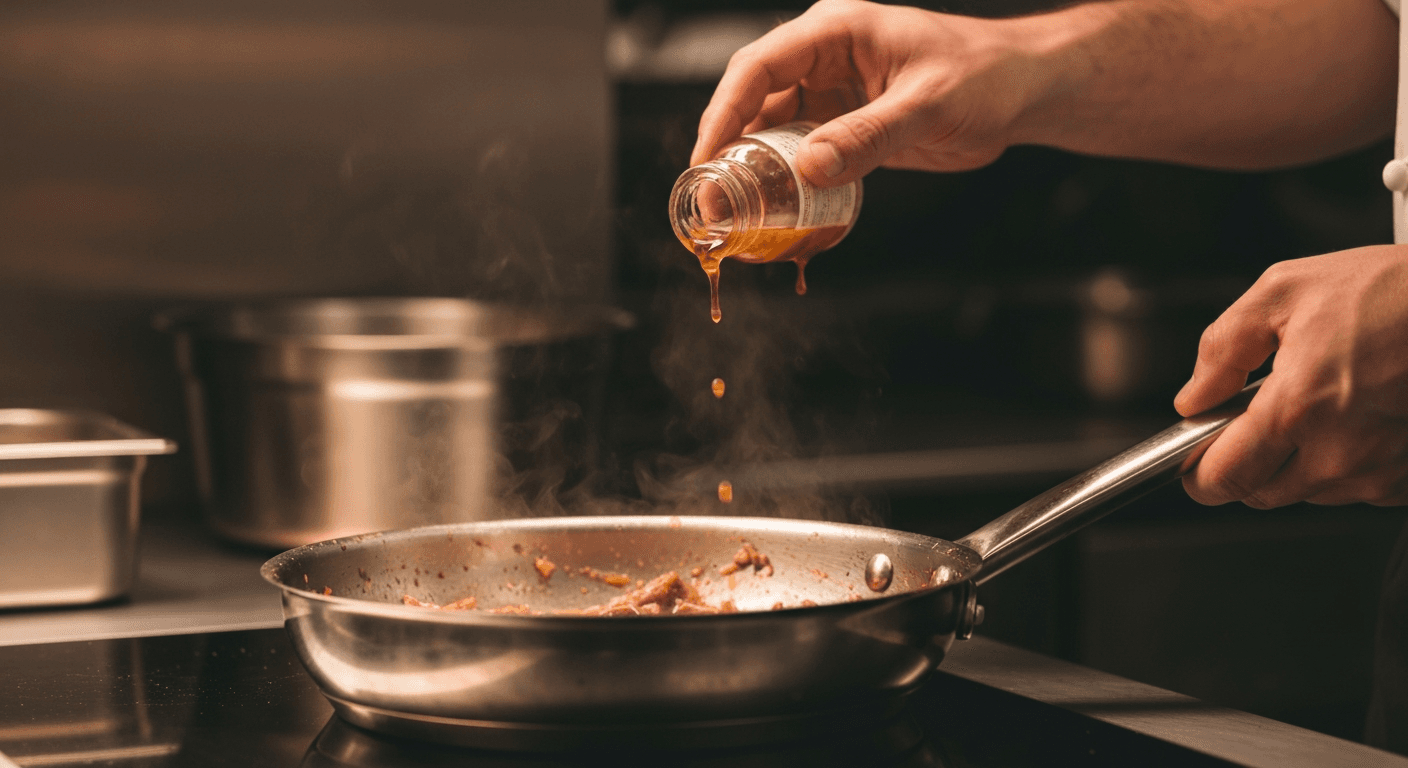
Unlock Flavor: The Ultimate Guide to Deglazing Your Pan Like a Pro
Have you ever cooked a delicious steak, roasted chicken, or pan-seared vegetables and noticed those browned bits stuck to the bottom of the pan? Don't throw them away! That's fond, and it's a flavor goldmine waiting to be unlocked through the art of deglazing.
Deglazing is a simple yet transformative cooking technique that involves adding liquid to a hot pan after cooking to loosen those flavorful browned bits. These bits, developed through the Maillard reaction, are packed with intense savory flavor. When combined with liquid, they form the base for incredible sauces, gravies, and pan reductions.
This guide will walk you through everything you need to know to deglaze your pan like a seasoned chef, from choosing the right liquids to avoiding common mistakes and practicing with delicious recipes.
What is Fond and Why is it Important?
Fond (pronounced "fon") is the French word for "base" or "bottom." In culinary terms, it refers to the flavorful browned bits that stick to the bottom of a pan after cooking meat, poultry, seafood, or vegetables. These bits are created through the Maillard reaction, a chemical reaction between amino acids and reducing sugars that occurs when food is heated.
The Maillard reaction is responsible for the delicious browning and complex flavors we associate with cooked foods. Fond is essentially a concentrated form of these flavors, making it an invaluable ingredient for creating rich and savory sauces.
Discarding the fond is like throwing away liquid gold! By deglazing your pan, you're not only rescuing these flavorful bits but also adding depth and complexity to your dishes.
The Art of Deglazing: A Step-by-Step Guide
Deglazing is a straightforward process, but understanding the nuances will help you achieve the best results. Here's a step-by-step guide:
-
Remove the Food: After cooking your protein or vegetables, remove them from the pan and set them aside to rest. This allows the fond to remain undisturbed.
-
Assess the Fond: Take a look at the bottom of the pan. You should see a layer of browned bits. If the pan is completely clean, there wasn't enough Maillard reaction, and you won't have much to deglaze. If the pan is heavily burnt, the fond may be bitter and unusable.
-
Choose Your Liquid: Select the appropriate liquid for deglazing, considering the flavor profile of your dish. Options include:
-
Broth or Stock: Chicken, beef, vegetable, or bone broth are excellent choices for savory sauces and gravies. Use low-sodium versions to control the saltiness of your final dish.
-
Wine: Red or white wine adds acidity and complexity to sauces. Dry wines are generally preferred. Avoid sweet wines unless specifically called for in a recipe.
-
Beer: Beer can add a unique flavor dimension, especially to sauces for meats like pork or beef. Choose a beer that complements the dish's flavors.
-
Vinegar: Balsamic, red wine, or sherry vinegar can be used to create tangy and bright sauces. Use sparingly, as vinegar is quite acidic.
-
Juice: Fruit juices, such as apple or cranberry, can be used for deglazing, especially when making sauces for pork or poultry.
-
Water: While not as flavorful as other options, water can be used in a pinch. It's best to add a knob of butter or a splash of cream to enhance the flavor.
-
Heat the Pan (If Necessary): If the pan has cooled down significantly, return it to medium heat. You want the pan to be hot enough to sizzle the liquid but not so hot that it burns it.
-
Add the Liquid: Pour your chosen liquid into the hot pan. Start with a small amount, about 1/4 cup, and add more as needed.
-
Scrape the Pan: Use a wooden spoon, spatula, or whisk to scrape the bottom of the pan, loosening the fond and incorporating it into the liquid. Be sure to reach all the corners and edges of the pan.
-
Simmer and Reduce: Bring the liquid to a simmer and allow it to reduce, concentrating the flavors. The reduction time will vary depending on the amount of liquid and the desired consistency. For a sauce, you want it to be thick enough to coat the back of a spoon. For a gravy, you may want to thicken it further with a slurry of cornstarch or flour.
-
Season and Finish: Taste the sauce and adjust the seasoning as needed. Add salt, pepper, herbs, or other flavorings to enhance the taste. You can also finish the sauce with a knob of butter, a splash of cream, or a squeeze of lemon juice for added richness and brightness.
Common Deglazing Mistakes to Avoid
While deglazing is relatively simple, there are a few common mistakes that can lead to less-than-perfect results:
-
Burning the Fond: If the pan is too hot or the fond is allowed to burn, it will develop a bitter taste that will ruin your sauce. Keep a close eye on the pan and adjust the heat as needed.
-
Using Too Much Liquid: Adding too much liquid will dilute the flavor of the fond and require a longer reduction time. Start with a small amount of liquid and add more as needed.
-
Not Scraping Thoroughly: Failing to scrape the bottom of the pan thoroughly will leave behind some of the valuable fond, resulting in a less flavorful sauce. Be sure to scrape all the corners and edges of the pan.
-
Neglecting to Season: Seasoning is crucial for bringing out the flavors of the sauce. Taste and adjust the seasoning as needed throughout the reduction process.
-
Using a Reactive Pan: Avoid using aluminum or copper pans for deglazing with acidic liquids like wine or vinegar, as these pans can react with the acid and impart a metallic taste to the sauce. Stainless steel or cast iron pans are better choices.
Tips for Perfect Deglazing
Here are some additional tips to help you master the art of deglazing:
-
Use a Heavy-Bottomed Pan: A heavy-bottomed pan will distribute heat more evenly, preventing hot spots and reducing the risk of burning the fond.
-
Don't Overcrowd the Pan: Overcrowding the pan when cooking your protein or vegetables will prevent proper browning and reduce the amount of fond produced.
-
Deglaze Immediately: Deglaze the pan as soon as possible after removing the food. The longer the fond sits, the harder it will be to loosen.
-
Deglaze with Hot Liquid: Using hot liquid will help to dissolve the fond more quickly and efficiently.
-
Strain the Sauce (Optional): If you prefer a smoother sauce, you can strain it through a fine-mesh sieve after reducing it.
-
Experiment with Flavors: Don't be afraid to experiment with different liquids, herbs, and spices to create unique and flavorful sauces.
Recipe Ideas to Practice Deglazing
Here are a few recipe ideas to help you practice your deglazing skills:
-
Pan-Seared Steak with Red Wine Reduction: After searing a steak, deglaze the pan with red wine and beef broth. Add shallots, garlic, and thyme for extra flavor.
-
Roasted Chicken with Pan Gravy: After roasting a chicken, deglaze the roasting pan with chicken broth. Thicken the gravy with a slurry of flour and water.
-
Pan-Seared Pork Chops with Apple Cider Sauce: After searing pork chops, deglaze the pan with apple cider and chicken broth. Add a touch of Dijon mustard and a sprig of rosemary for a delicious sweet and savory sauce.
-
Sautéed Mushrooms with Sherry Vinegar Glaze: After sautéing mushrooms, deglaze the pan with sherry vinegar and a splash of vegetable broth. Add a pinch of sugar to balance the acidity.
-
Pan-Fried Fish with Lemon-Butter Sauce: After pan-frying fish, deglaze the pan with white wine and lemon juice. Whisk in cold butter for a rich and tangy sauce.
Beyond the Basics: Advanced Deglazing Techniques
Once you've mastered the basic deglazing technique, you can explore some advanced techniques to further enhance your sauces:
-
Building Layers of Flavor: Add aromatic vegetables like onions, garlic, or shallots to the pan after removing the protein or vegetables. Sauté them until softened before adding the liquid to deglaze. This will add another layer of flavor to your sauce.
-
Using Multiple Liquids: Combine different liquids to create complex and nuanced sauces. For example, you could use a combination of red wine and beef broth for a steak sauce, or apple cider and chicken broth for a pork sauce.
-
Adding Spices and Herbs: Experiment with different spices and herbs to complement the flavors of your dish. Add them to the pan along with the liquid to deglaze.
-
Finishing with Emulsions: Emulsify the sauce with butter or cream to create a richer and smoother texture. Whisk in cold butter or cream at the end of the reduction process.
Deglazing: A Culinary Game Changer
Deglazing is a simple yet powerful technique that can transform ordinary dishes into culinary masterpieces. By mastering this skill, you'll be able to unlock a world of flavor and create delicious sauces and gravies that will impress your family and friends. So, don't let those flavorful browned bits go to waste! Start deglazing today and elevate your cooking to the next level.