Unlock Flavor Secrets: Deglazing Pans for Delicious Sauces
Transform pan drippings into flavorful sauces! This beginner's guide covers deglazing techniques, liquids, and recipes.
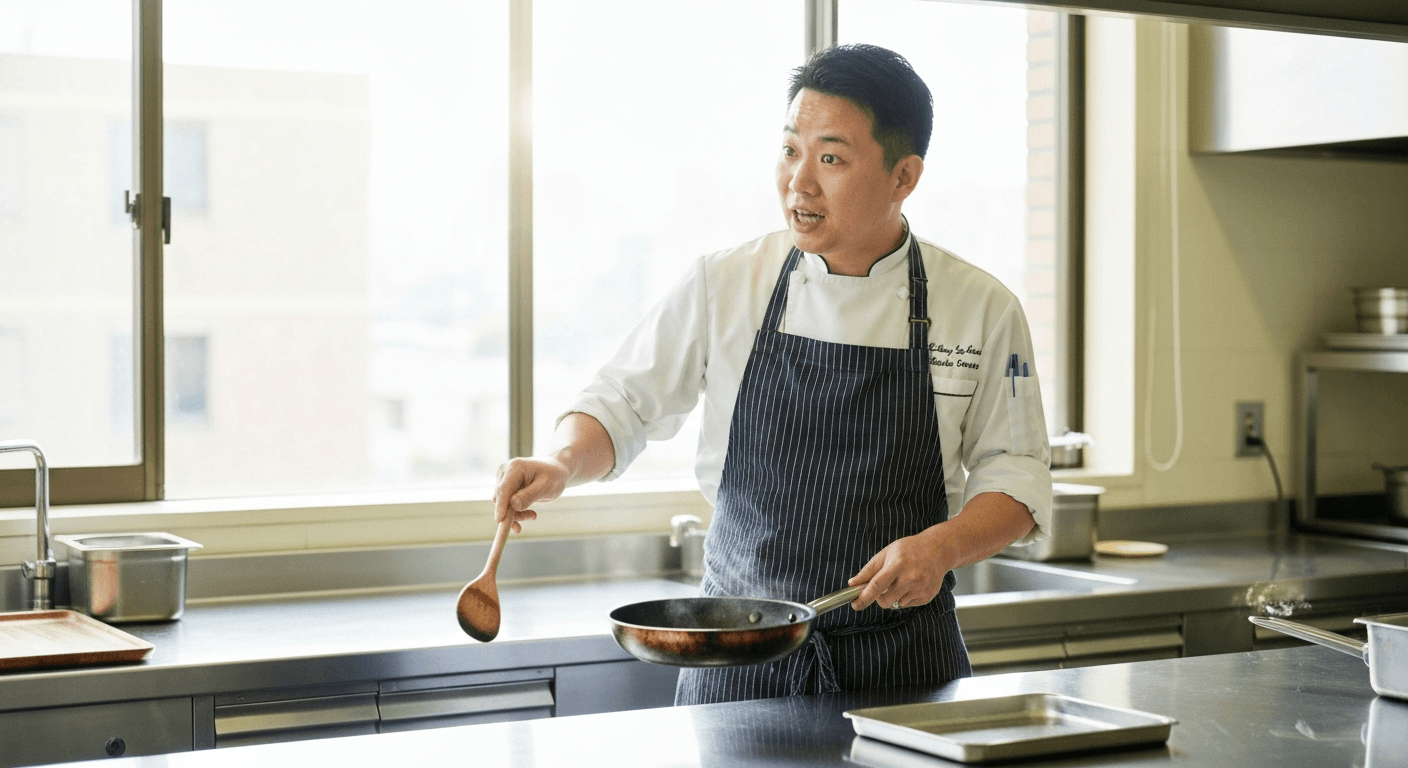
Unlock Flavor Secrets: A Beginner's Guide to Deglazing Pans Like a Pro
Have you ever looked at the browned bits stuck to the bottom of your pan after searing meat or sautéing vegetables and thought, "That looks like a pain to clean"? What if I told you those bits, called fond, are actually a treasure trove of concentrated flavor just waiting to be unlocked?
Deglazing is the culinary technique of using liquid to loosen those flavorful browned bits from a pan after cooking. It's a simple process that can elevate your everyday cooking from good to extraordinary, transforming ordinary pan drippings into delicious, complex sauces.
This guide will walk you through the basics of deglazing, covering everything from choosing the right liquid to troubleshooting common problems. Get ready to create restaurant-quality sauces in your own kitchen!
What is Fond and Why is it Important?
Before we dive into the how-to, let's understand the why. Fond, derived from the French word for "base," is the accumulation of browned proteins, carbohydrates, and sugars that stick to the bottom of a pan during cooking.
These browned bits are the result of the Maillard reaction, a chemical reaction between amino acids and reducing sugars that occurs when food is heated. This reaction is responsible for the delicious flavors and aromas we associate with seared meats, roasted vegetables, and baked goods.
Ignoring the fond means throwing away all that concentrated flavor. Deglazing allows you to capture those flavors and incorporate them into a sauce, adding depth and complexity to your dishes.
Essential Equipment for Deglazing
Fortunately, you don't need any special equipment to deglaze a pan. Here's what you'll need:
- A sturdy pan: Stainless steel or cast iron pans are ideal for deglazing because they can withstand high heat and develop a good fond. Avoid non-stick pans, as they don't develop fond as readily.
- A heat-resistant spatula or spoon: Use a flat-edged spatula or wooden spoon to scrape the bottom of the pan and loosen the browned bits.
- Your chosen liquid: We'll discuss liquid options in detail below.
Choosing the Right Liquid for Deglazing
The liquid you choose to deglaze your pan will significantly impact the flavor of your sauce. Here are some popular options:
- Wine: Red wine adds richness and depth, while white wine provides a lighter, more acidic flavor. Dry wines are generally preferred. Avoid overly sweet wines.
- Broth or Stock: Chicken, beef, or vegetable broth are excellent choices for adding savory flavor. Use low-sodium versions to control the saltiness of your sauce.
- Water: While it might seem too simple, water can effectively deglaze a pan, especially if you plan to add other flavorful ingredients later. It's a neutral base that won't compete with other flavors.
- Vinegar: Balsamic, red wine, or sherry vinegar can add a tangy and acidic element to your sauce. Use sparingly, as vinegar can be overpowering.
- Beer: Adds a malty, slightly bitter flavor. Dark beers are best for richer sauces, while lighter beers work well with chicken or fish.
- Citrus Juice: Lemon or orange juice can add brightness and acidity to your sauce, particularly well-suited for seafood or poultry dishes.
Tips for Choosing Your Liquid:
- Consider the main ingredient: What are you cooking? Choose a liquid that complements the flavors of the meat, vegetables, or other ingredients.
- Think about the desired flavor profile: Do you want a rich and savory sauce, or a light and acidic one?
- Don't be afraid to experiment: Try different combinations of liquids to create unique flavor combinations.
Step-by-Step Guide to Deglazing a Pan
Here's a simple, step-by-step guide to deglazing a pan like a pro:
-
Cook your food: Sear your meat, sauté your vegetables, or cook whatever you're preparing, leaving behind the flavorful fond in the pan.
-
Remove excess fat: Carefully pour off any excess fat from the pan, leaving a thin layer to help with the deglazing process. Be careful not to pour off the fond itself!
-
Add your liquid: Pour your chosen liquid into the hot pan. The amount of liquid will depend on the size of your pan and the desired consistency of your sauce, but generally, start with about 1/2 to 1 cup.
-
Scrape the pan: Using a heat-resistant spatula or spoon, vigorously scrape the bottom of the pan to loosen the browned bits of fond. Make sure to get into all the corners and crevices.
-
Simmer and reduce: Bring the liquid to a simmer over medium heat and allow it to reduce. This will concentrate the flavors and thicken the sauce. The amount of time it takes to reduce will vary depending on the liquid and the desired consistency.
-
Season and finish: Once the sauce has reached the desired consistency, season with salt, pepper, and any other desired herbs or spices. You can also add a pat of butter or a swirl of cream for added richness.
-
Serve: Pour the sauce over your cooked food and enjoy!
Troubleshooting Common Deglazing Problems
Even with the best instructions, things can sometimes go wrong. Here are some common problems and how to fix them:
-
Problem: The fond is burned and bitter.
Solution: Unfortunately, there's not much you can do to salvage burned fond. It's best to start over with a clean pan. To prevent this from happening, make sure to control the heat and avoid overcrowding the pan. Regularly check the pan and reduce the heat if the fond starts to burn.
-
Problem: The sauce is too thin.
Solution: Continue simmering the sauce to reduce it further. You can also thicken it with a cornstarch slurry (1 tablespoon cornstarch mixed with 2 tablespoons cold water) or a beurre manié (equal parts butter and flour kneaded together).
-
Problem: The sauce is too thick.
Solution: Add a little more liquid (water, broth, or wine) to thin the sauce out.
-
Problem: The sauce is too salty.
Solution: Add a squeeze of lemon juice or a splash of vinegar to balance the saltiness. You can also add a small amount of sugar or honey.
-
Problem: The sauce lacks flavor.
Solution: Add more herbs, spices, or aromatics to boost the flavor. A splash of Worcestershire sauce or soy sauce can also add umami depth.
Flavor Pairing Suggestions
Here are some flavor pairing suggestions to get you started:
- Beef: Red wine, beef broth, balsamic vinegar, thyme, rosemary.
- Chicken: White wine, chicken broth, lemon juice, garlic, parsley.
- Pork: Apple cider vinegar, chicken broth, Dijon mustard, sage.
- Lamb: Red wine, lamb broth, rosemary, garlic, mint.
- Seafood: White wine, fish broth, lemon juice, dill, parsley.
- Vegetables: Vegetable broth, white wine, balsamic vinegar, herbs de Provence.
Recipe Ideas to Showcase Your Deglazing Skills
Ready to put your new deglazing skills to the test? Here are a few recipe ideas:
-
Pan-Seared Steak with Red Wine Reduction: Sear a steak in a cast iron pan, then deglaze with red wine and beef broth. Reduce until thickened, then finish with butter and thyme.
-
Chicken Piccata: Dredge chicken breasts in flour and sear them in a pan. Deglaze with white wine and lemon juice, then add capers and butter.
-
Pork Chops with Apple Cider Glaze: Sear pork chops in a pan, then deglaze with apple cider vinegar and chicken broth. Reduce until syrupy, then season with sage and Dijon mustard.
-
Mushroom Risotto: Sauté mushrooms in a pan, then deglaze with white wine. Use the flavorful liquid to cook the risotto.
Tips for Perfect Deglazing
- Use the right pan: A sturdy pan that can withstand high heat is essential.
- Control the heat: Don't let the fond burn. Adjust the heat as needed.
- Don't overcrowd the pan: Overcrowding will prevent the food from browning properly and developing a good fond.
- Use a good quality liquid: The flavor of your sauce will only be as good as the liquid you use.
- Don't be afraid to experiment: Try different combinations of liquids, herbs, and spices to create your own unique sauces.
- Taste as you go: Adjust the seasoning as needed to create a balanced and flavorful sauce.
Elevate Your Cooking with Deglazing
Deglazing is a simple yet powerful technique that can dramatically improve the flavor of your cooking. By following these tips and techniques, you'll be able to transform ordinary pan drippings into delicious, restaurant-quality sauces. So, next time you're cooking, don't throw away those browned bits – deglaze your pan and unlock a world of flavor!