Tsukemono: Easy Japanese Pickles You Can Make at Home
Explore the delicious world of tsukemono! Learn to make quick & easy Japanese pickles with simple ingredients and techniques.
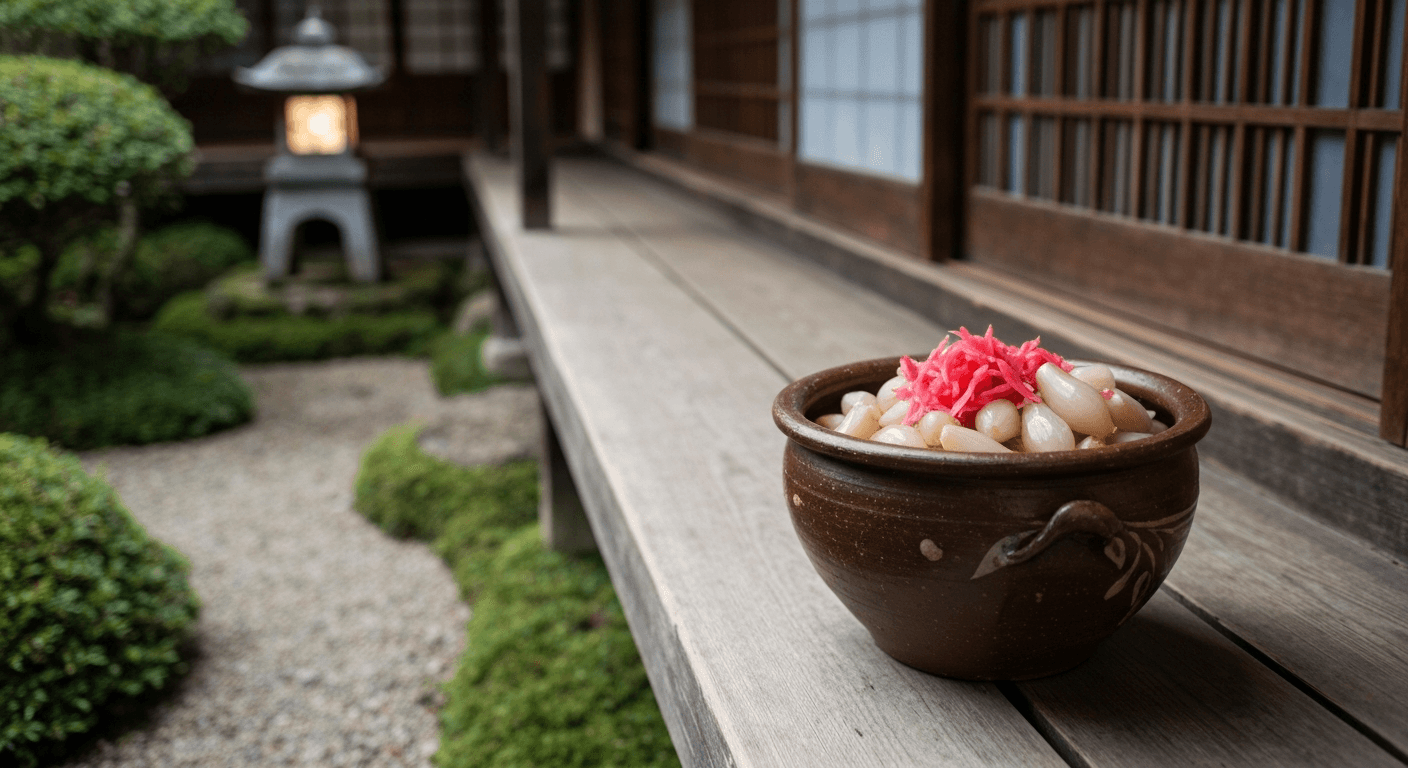
Tsukemono: A Taste of Japan in Every Bite
Tsukemono, or Japanese pickles, are an integral part of Japanese cuisine. They offer a refreshing contrast to richer dishes, cleanse the palate, and add a burst of flavor and texture to any meal. Forget long fermentation times – many tsukemono recipes are quick and easy to make at home!
This guide will introduce you to the fascinating world of tsukemono, covering different pickling methods, essential ingredients, and simple recipes to get you started. Get ready to add a vibrant touch of Japan to your table!
Understanding Tsukemono: More Than Just Pickles
Tsukemono encompasses a wide variety of pickled vegetables, each with its unique flavor profile and preparation method. From lightly salted cucumbers to intensely flavored fermented radishes, the possibilities are endless.
Unlike Western pickling, which often relies on vinegar, tsukemono utilizes various brines and pickling mediums, including salt, rice bran, sake lees, miso, soy sauce, and vinegar. These ingredients not only preserve the vegetables but also impart distinct flavors and aromas.
The Magic of Quick Pickling
While some tsukemono require weeks or even months of fermentation, many recipes are designed for quick consumption. These quick pickles, often called asazuke (shallow-pickled), can be ready to eat in as little as 30 minutes, making them perfect for busy weeknights.
These quick methods rely on simple brines and techniques to infuse vegetables with flavor and preserve them for a short period. They offer a fantastic way to experiment with different flavors and ingredients without the commitment of long-term fermentation.
Essential Ingredients for Tsukemono
To embark on your tsukemono journey, you'll need a few key ingredients. These are readily available at most Asian supermarkets and some well-stocked grocery stores.
-
Vegetables: Cucumbers, daikon radish, cabbage, eggplant, ginger, carrots, and turnips are popular choices. Select fresh, firm vegetables for the best results.
-
Salt: Sea salt or kosher salt is preferred. Avoid iodized salt, which can impart a metallic taste.
-
Rice Vinegar: A mild and slightly sweet vinegar, essential for many tsukemono recipes.
-
Soy Sauce: Adds umami and savory depth to the pickles. Use low-sodium soy sauce to control the saltiness.
-
Sugar: Balances the saltiness and acidity of the brine. Granulated sugar or brown sugar can be used.
-
Ginger: Adds a warm, spicy flavor. Use fresh ginger for the best taste.
-
Garlic: Provides a pungent and aromatic element.
-
Chili Peppers: For a spicy kick, add fresh or dried chili peppers.
-
Sesame Oil: A drizzle of sesame oil can add a nutty aroma and flavor.
-
Sesame Seeds: Toasted sesame seeds provide a crunchy texture and nutty flavor.
-
Dashi: Japanese soup stock. Adds depth of flavor to some pickles.
Essential Equipment
While you don't need specialized equipment to make tsukemono, a few items will make the process easier:
-
Cutting Board and Knife: A sharp knife is essential for preparing the vegetables.
-
Mixing Bowls: For preparing the brine and mixing the vegetables.
-
Storage Containers: Glass jars or plastic containers are ideal for storing the pickles.
-
Pickling Weights (Optional): Help to submerge the vegetables in the brine, ensuring even pickling. You can use a small plate or a ziplock bag filled with water as a substitute.
Basic Tsukemono Techniques
Here's a breakdown of some common tsukemono techniques:
-
Salting: Vegetables are sprinkled with salt and left to sit, drawing out excess moisture and firming them up. This is often a preliminary step before pickling.
- Step 1: Prepare your vegetables by washing and cutting them into the desired shape (slices, sticks, etc.)
- Step 2: Place the vegetables in a bowl and sprinkle generously with salt. The amount of salt will vary depending on the vegetable and recipe.
- Step 3: Gently massage the salt into the vegetables.
- Step 4: Let the vegetables sit for 15-30 minutes, or as directed in the recipe. You'll notice liquid being drawn out.
- Step 5: Rinse the vegetables thoroughly under cold water to remove excess salt. Pat them dry before proceeding with the pickling process.
-
Brining: Vegetables are submerged in a brine solution, typically made with salt, vinegar, sugar, and other flavorings.
- Step 1: Prepare the brine according to your chosen recipe. This usually involves combining ingredients like salt, vinegar, sugar, and soy sauce in a saucepan and heating until the salt and sugar dissolve.
- Step 2: Allow the brine to cool completely.
- Step 3: Prepare your vegetables by washing and cutting them.
- Step 4: Place the vegetables in a clean jar or container.
- Step 5: Pour the cooled brine over the vegetables, ensuring they are completely submerged.
- Step 6: Add pickling weights (optional) to keep the vegetables submerged.
- Step 7: Cover the container and refrigerate for the recommended time, usually a few hours or overnight.
-
Pressing: Applying pressure to the vegetables helps to extract moisture and speed up the pickling process. This can be achieved using pickling weights or a specialized tsukemono press.
- Step 1: Follow the steps for brining.
- Step 2: Place a pickling weight on top of the vegetables inside the container. This will help to press out excess moisture and ensure the vegetables are fully submerged in the brine.
- Step 3: If you don't have a pickling weight, you can use a small plate that fits inside the container, topped with a heavy object like a can of beans.
- Step 4: Cover the container and refrigerate for the recommended time.
Quick & Easy Tsukemono Recipes
Here are a few simple tsukemono recipes to get you started:
Kyuri no Asazuke (Quick Pickled Cucumber)
This refreshing cucumber pickle is a classic Japanese side dish.
Ingredients:
- 1 Japanese cucumber
- 1 teaspoon salt
- 2 tablespoons rice vinegar
- 1 tablespoon sugar
- 1/2 teaspoon sesame oil
- Pinch of red pepper flakes (optional)
Instructions:
- Slice the cucumber thinly.
- Place the cucumber slices in a bowl and sprinkle with salt. Gently massage the salt into the cucumber.
- Let sit for 10 minutes to draw out excess moisture.
- Rinse the cucumber slices under cold water and pat dry.
- In a separate bowl, whisk together the rice vinegar, sugar, sesame oil, and red pepper flakes (if using).
- Add the cucumber slices to the vinegar mixture and toss to coat.
- Refrigerate for at least 30 minutes before serving.
Daikon Zuke (Pickled Daikon Radish)
This crunchy and slightly sweet daikon pickle is a great addition to any meal.
Ingredients:
- 1/2 daikon radish, peeled
- 1/2 teaspoon salt
- 2 tablespoons rice vinegar
- 1 tablespoon sugar
- 1/2 teaspoon soy sauce
Instructions:
- Cut the daikon radish into thin slices or matchsticks.
- Place the daikon in a bowl and sprinkle with salt. Gently massage the salt into the daikon.
- Let sit for 15 minutes to draw out excess moisture.
- Rinse the daikon under cold water and pat dry.
- In a separate bowl, whisk together the rice vinegar, sugar, and soy sauce.
- Add the daikon to the vinegar mixture and toss to coat.
- Refrigerate for at least 1 hour before serving.
Shoga Zuke (Pickled Ginger)
This spicy and refreshing ginger pickle is a perfect palate cleanser.
Ingredients:
- 4 ounces fresh ginger, peeled
- 1/4 cup rice vinegar
- 2 tablespoons sugar
- 1/4 teaspoon salt
Instructions:
- Slice the ginger very thinly using a mandoline or sharp knife.
- Bring a pot of water to a boil. Add the ginger and blanch for 1 minute. Drain and rinse with cold water.
- In a saucepan, combine the rice vinegar, sugar, and salt. Heat over medium heat until the sugar dissolves.
- Add the blanched ginger to the vinegar mixture and bring to a simmer.
- Remove from heat and let cool completely.
- Transfer the ginger and pickling liquid to a jar and refrigerate for at least 24 hours before serving.
Tips for Success
-
Use fresh, high-quality vegetables. The flavor of the pickles will only be as good as the ingredients you use.
-
Adjust the seasonings to your taste. Don't be afraid to experiment with different ratios of salt, sugar, and vinegar.
-
Use a clean container. This will help prevent spoilage.
-
Refrigerate the pickles. This will help to preserve them and keep them fresh.
-
Don't be afraid to experiment! Tsukemono is a versatile dish, so try different vegetables, spices, and pickling methods to find your favorites.
Storing Tsukemono
Quick pickles are best consumed within a few days. Store them in an airtight container in the refrigerator.
Enjoying Your Homemade Tsukemono
Tsukemono can be enjoyed in a variety of ways:
- As a side dish with rice and other Japanese dishes.
- As a topping for rice bowls and noodles.
- As a palate cleanser between courses.
- As a snack on their own.
Conclusion
Tsukemono is a delicious and versatile addition to any meal. With these simple recipes and techniques, you can easily make your own Japanese pickles at home. So, grab some fresh vegetables, experiment with different flavors, and enjoy the taste of Japan in every bite!