Sweet & Tangy: Curing Fruits at Home for Bread & Soup
Unlock surprising flavors! Learn to cure fruits at home, adding a delightful sweet & tangy twist to breads & soups.
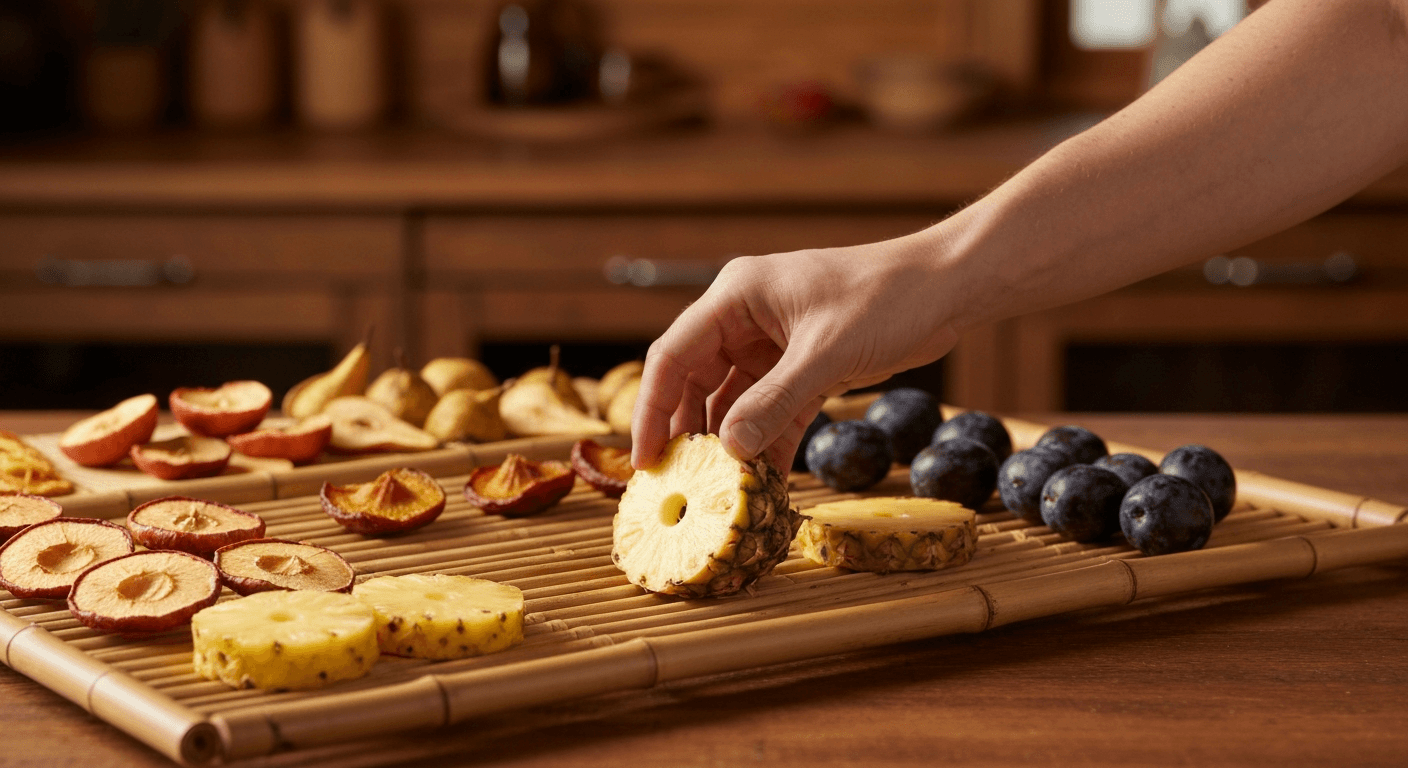
Curing fruits might seem like a technique reserved for charcuterie boards, but it holds incredible potential for enhancing the flavors of your breads and soups. From adding a burst of citrus to your sourdough to creating a complex sweet and savory broth, cured fruits offer a unique culinary dimension. Let's dive into the world of home fruit curing!
This guide will explore various methods of curing fruits, focusing on their applications in the context of bread and soup making. We'll cover techniques like sugaring, salting, and drying, and provide practical tips to help you create delicious and innovative dishes.
Why Cure Fruits for Bread & Soup?
Curing fruits isn't just about preservation; it's about flavor transformation. The process draws out moisture, concentrating the fruit's natural sugars and acids. This intensifies the fruit's inherent flavors, creating a more complex and nuanced profile.
In bread making, cured fruits can add sweetness, texture, and visual appeal. Think of candied citrus peels in a panettone or dried cranberries in a rustic sourdough. The concentrated flavors stand up well to the baking process, adding a vibrant touch to your loaves.
For soups, cured fruits can provide a unique sweet and savory element. Imagine a broth infused with the tangy sweetness of cured plums or a hearty stew brightened by the addition of salted lemons. These unexpected additions can elevate your soup to a whole new level.
Methods of Curing Fruits
There are several methods for curing fruits at home, each with its own distinct characteristics and applications. Here are some of the most common techniques:
1. Sugaring (Candied Fruits)
Candying involves slowly saturating fruit with sugar, replacing the water content and preserving it. This method creates intensely sweet and flavorful fruits with a glossy, translucent appearance. Candied citrus peels are a classic example, and they are fantastic in breads.
How to Candy Citrus Peels (Perfect for Panettone & Scones):
-
Prepare the Peels: Select thick-skinned citrus fruits like oranges, lemons, or grapefruits. Carefully peel the fruit, removing as much of the white pith as possible (the pith can be bitter). Cut the peels into strips or desired shapes.
-
Blanch the Peels: Place the peels in a saucepan and cover with cold water. Bring to a boil, then drain and rinse with cold water. Repeat this process 3-4 times to remove bitterness. This step is crucial for a pleasant flavor.
-
Simmer in Syrup: In a saucepan, combine equal parts water and sugar (e.g., 1 cup water and 1 cup sugar). Bring to a simmer over medium heat, stirring until the sugar dissolves. Add the blanched peels to the syrup. Ensure the peels are fully submerged.
-
Slowly Cook: Reduce the heat to low and simmer gently for 1-2 hours, or until the peels become translucent and the syrup thickens. Monitor the syrup to prevent burning.
-
Dry the Peels: Remove the peels from the syrup with a slotted spoon and place them on a wire rack to dry. You can toss them in granulated sugar to prevent sticking and add extra sweetness. Allow them to dry completely, which may take several hours or even overnight.
-
Store: Store the candied peels in an airtight container at room temperature. They will keep for several weeks.
Applications in Bread: Candied citrus peels are a classic addition to panettone, stollen, and fruitcakes. They can also be incorporated into scones, muffins, and quick breads for a burst of citrus flavor.
2. Salting (Salted Fruits)
Salting draws moisture out of the fruit through osmosis, inhibiting microbial growth and preserving it. Salted fruits often have a savory and tangy flavor profile, making them surprisingly versatile in both sweet and savory dishes. Salted lemons are a common example, and their brine is great in soups.
How to Make Salted Lemons (Great for Tagines & Soups):
-
Prepare the Lemons: Wash and dry several lemons. Cut each lemon lengthwise into quarters, being careful not to cut all the way through at the base. You want the lemon to remain intact but be able to open it up.
-
Salt the Lemons: Generously pack coarse sea salt into the cut lemons, ensuring the salt gets into every crevice. You'll need a significant amount of salt – about ¼ cup per lemon.
-
Pack in a Jar: Place the salted lemons in a clean glass jar. Press down firmly on the lemons to release their juices. Add more salt to the jar as needed to cover the lemons.
-
Weight and Brine: Weigh down the lemons with a small plate or a clean stone to keep them submerged in their own juices. Over time, the lemons will release more liquid, creating a brine.
-
Ferment: Seal the jar and let it sit at room temperature for 3-4 weeks, shaking it occasionally. The lemons will soften and their flavor will mellow as they ferment.
-
Store: Once the lemons are cured, store them in the refrigerator. They will keep for several months.
Applications in Soup: Salted lemons add a bright, tangy, and slightly salty flavor to soups and stews, particularly North African and Middle Eastern dishes. Use the rind and flesh sparingly, as they are quite potent. Their brine also adds great depth to broths.
3. Drying (Fruit Leather & Dried Fruit)
Drying removes moisture from the fruit through evaporation, concentrating its sugars and flavors. Dried fruits are a convenient and shelf-stable snack, and they can also be used in a variety of culinary applications. Fruit leather is a fun and versatile way to preserve fruit, especially for adding to bread.
How to Make Fruit Leather (Perfect for Bread Fillings & Snacks):
-
Prepare the Fruit: Select ripe fruits like apples, berries, or peaches. Wash and core or pit the fruit as needed. You can use a single type of fruit or a combination of fruits for a more complex flavor.
-
Puree the Fruit: Blend the fruit in a blender or food processor until smooth. You can add a small amount of water or lemon juice to help with blending. If desired, sweeten the puree with honey or maple syrup to taste.
-
Spread on a Tray: Line a baking sheet with parchment paper or a silicone baking mat. Pour the fruit puree onto the tray and spread it evenly into a thin layer, about 1/8 to 1/4 inch thick.
-
Dry the Fruit: There are several ways to dry fruit leather:
- Oven: Bake in a preheated oven at the lowest possible temperature (ideally 170°F or lower) for 4-8 hours, or until the fruit leather is no longer sticky and can be easily peeled from the parchment paper. Leave the oven door slightly ajar to allow moisture to escape.
- Dehydrator: Use a food dehydrator according to the manufacturer's instructions. The drying time will vary depending on the dehydrator and the thickness of the fruit puree.
- Sun: In warm, dry climates, you can dry fruit leather outdoors in the sun. Cover the baking sheet with cheesecloth to protect it from insects and debris. The drying time will vary depending on the weather.
-
Cut and Store: Once the fruit leather is dry, carefully peel it from the parchment paper. Cut it into strips or desired shapes. Store the fruit leather in an airtight container at room temperature. It will keep for several weeks.
Applications in Bread: Fruit leather can be used as a filling for sweet breads, such as danishes or croissants. It can also be chopped and added to the dough of rustic breads for a chewy texture and concentrated fruit flavor.
Tips for Successful Fruit Curing
-
Use High-Quality Fruit: The flavor of your cured fruit will only be as good as the fruit you start with. Choose ripe, unblemished fruits for the best results.
-
Maintain Hygiene: Cleanliness is essential when curing fruits to prevent the growth of unwanted bacteria or mold. Sterilize your jars and utensils before use.
-
Monitor the Process: Keep a close eye on your curing fruits, especially during the initial stages. Adjust the curing time as needed based on the type of fruit and the desired level of preservation.
-
Experiment with Flavors: Don't be afraid to experiment with different spices, herbs, and flavorings to create unique and interesting cured fruit combinations. Try adding cinnamon, cloves, or star anise to candied fruits, or chili flakes and garlic to salted fruits.
-
Balance Sweetness and Acidity: When sugaring fruits, aim for a balance between sweetness and acidity. Adding a touch of lemon juice or vinegar can help to prevent the fruit from becoming overly sweet.
Recipes Using Cured Fruits in Bread & Soup
Here are a couple of recipe ideas to get you started:
1. Sourdough with Candied Orange Peel
Add diced candied orange peel to your favorite sourdough recipe for a burst of citrus flavor. Incorporate the candied peel during the final mixing stage, ensuring it is evenly distributed throughout the dough. The candied peel will add sweetness, moisture, and a delightful aroma to your sourdough loaf.
2. Salted Lemon and Chickpea Soup
This hearty and flavorful soup features the bright, tangy flavor of salted lemons. Sauté onions, garlic, and carrots in olive oil. Add vegetable broth, cooked chickpeas, and a small amount of chopped salted lemon (rind and flesh). Simmer until the flavors meld together. Garnish with fresh herbs and a drizzle of olive oil.
Common Mistakes to Avoid
-
Using Underripe or Overripe Fruit: Underripe fruit lacks flavor, while overripe fruit can be too soft and mushy to cure properly. Choose fruit that is ripe but firm.
-
Not Removing Enough Pith from Citrus Peels: The white pith of citrus fruits is bitter and can ruin the flavor of your candied peels. Be sure to remove as much pith as possible before candying.
-
Using Iodized Salt for Salting: Iodized salt can impart a metallic taste to salted fruits. Use coarse sea salt or kosher salt instead.
-
Drying Fruit Leather Too Quickly: Drying fruit leather at too high a temperature can cause it to crack or become brittle. Dry it slowly at a low temperature for the best results.
-
Not Storing Cured Fruits Properly: Improper storage can lead to spoilage or loss of flavor. Store cured fruits in airtight containers in a cool, dry place.
Conclusion
Curing fruits at home is a rewarding culinary adventure that can unlock a world of new flavors and possibilities for your bread and soup creations. By mastering these simple techniques, you can add a touch of sweetness, tanginess, and complexity to your dishes, transforming them into culinary masterpieces. So, grab your favorite fruits and start experimenting today!