Sous Vide Simplified: Restaurant-Quality Food at Home
Unlock perfectly cooked meals with sous vide! Learn the basics, from equipment to searing, and enjoy restaurant-quality results every time.
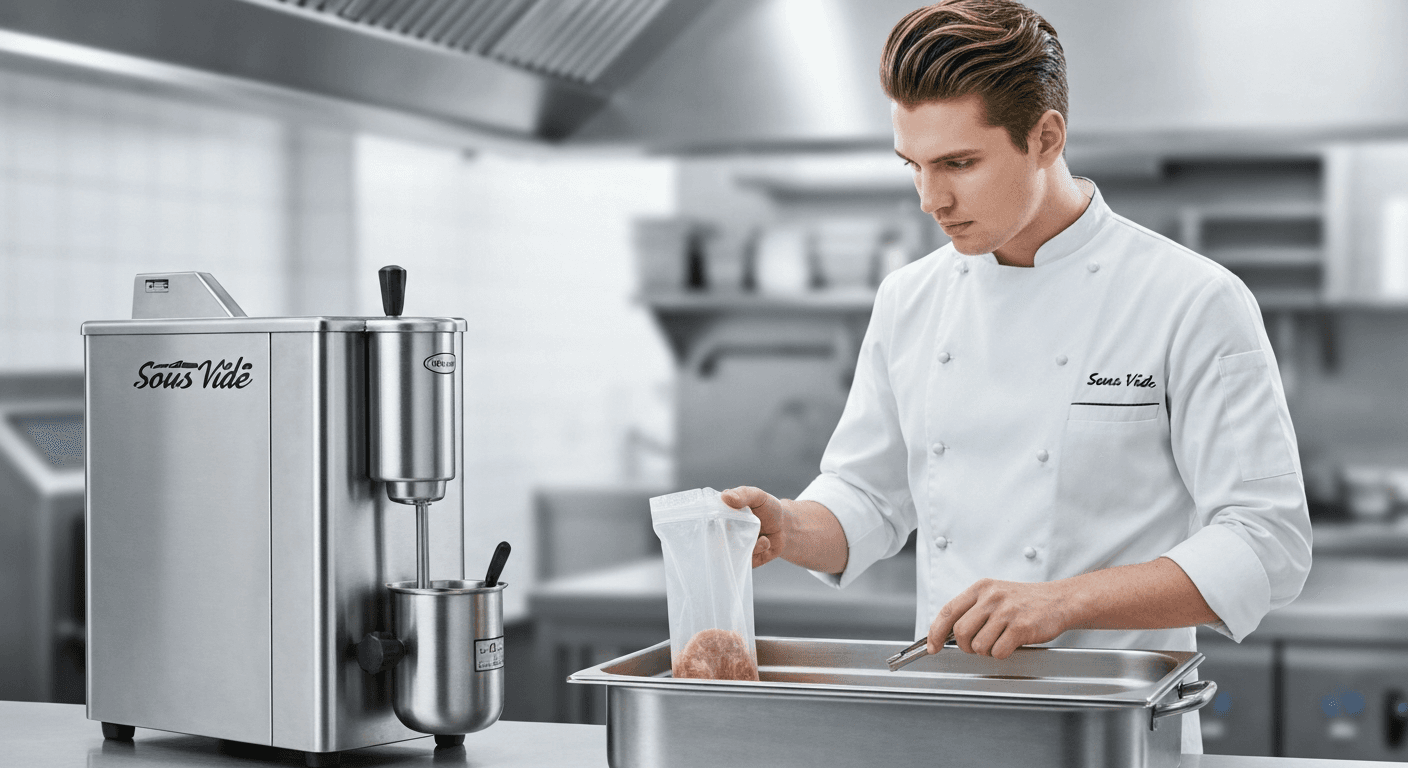
Sous Vide Simplified: Unlock Restaurant-Quality Results at Home
Sous vide, French for "under vacuum," is a cooking technique that involves immersing food in a precisely temperature-controlled water bath. This method guarantees consistent and perfect results, taking the guesswork out of cooking and delivering restaurant-quality meals in the comfort of your own kitchen.
This guide will walk you through the essentials of sous vide cooking, from understanding the equipment to mastering the techniques for various proteins and vegetables. Get ready to elevate your culinary skills!
What is Sous Vide and Why Use It?
Sous vide cooking offers unparalleled precision. Unlike traditional methods where temperature fluctuations can lead to overcooked or undercooked food, sous vide maintains a constant temperature throughout the entire cooking process.
This even cooking results in food that is perfectly done from edge to edge, retaining moisture and flavor that might otherwise be lost. It’s a game-changer for achieving consistently tender and juicy results, especially with proteins.
Beyond precision, sous vide offers convenience. You can prepare food in advance, hold it at the perfect temperature for extended periods, and finish it off with a quick sear when you're ready to eat. This makes it ideal for busy weeknights or elegant dinner parties.
Essential Equipment for Sous Vide
To get started with sous vide, you'll need a few key pieces of equipment:
-
Immersion Circulator: This is the heart of the sous vide setup. It heats and circulates the water, maintaining a precise and consistent temperature. Look for models with accurate temperature control, a powerful pump, and a user-friendly interface.
-
Water Bath: Any container large enough to hold your food and the immersion circulator will work. Popular options include large pots, plastic containers, or dedicated sous vide containers.
-
Vacuum Sealer: A vacuum sealer removes air from the bag, ensuring efficient heat transfer and preventing the food from floating. While not strictly necessary (you can use the water displacement method), a vacuum sealer is highly recommended for optimal results and longer cook times.
-
Vacuum Sealer Bags: Use food-grade vacuum sealer bags designed for sous vide cooking. These bags are durable and heat-resistant.
-
Optional Accessories: Consider adding these to your arsenal: bag clips to prevent floating, a silicone mat to insulate the bottom of your water bath, and a probe thermometer for verifying internal temperatures.
Setting Up Your Sous Vide Water Bath
Setting up your sous vide water bath is a simple process:
-
Fill the Container: Fill your chosen container with water, leaving enough space for the food and the immersion circulator.
-
Attach the Immersion Circulator: Secure the immersion circulator to the side of the container according to the manufacturer's instructions.
-
Set the Temperature: Set the desired temperature on the immersion circulator. Refer to a sous vide cooking chart for recommended temperatures based on the type of food and desired doneness.
-
Allow the Water to Heat: Give the water bath time to reach the set temperature. This may take 15-30 minutes, depending on the volume of water and the power of the immersion circulator.
Food Safety Considerations
Food safety is paramount when using the sous vide technique. Because food is cooked at lower temperatures for extended periods, it's crucial to follow these guidelines:
-
Start with Fresh Ingredients: Use high-quality, fresh ingredients.
-
Proper Sealing: Ensure the food is properly sealed in a vacuum bag or a ziplock bag using the water displacement method to remove air.
-
Temperature and Time: Adhere to recommended temperature and time guidelines for each type of food. Undercooking can increase the risk of bacterial growth.
-
Cooling and Storage: If you're not serving the food immediately, quickly chill it in an ice bath after cooking and store it in the refrigerator. Consume within a safe timeframe.
-
Pasteurization: For certain foods, especially those cooked at lower temperatures, understanding pasteurization is crucial. Refer to reliable sous vide resources for specific pasteurization guidelines.
Sous Vide Cooking Times and Temperatures
Here's a general guide to sous vide cooking times and temperatures for common foods. Always consult reliable sources for more detailed information and specific recommendations.
Proteins:
-
Steak (Medium-Rare): 129-134°F (54-57°C) for 1-4 hours
-
Chicken Breast: 140-150°F (60-66°C) for 1-4 hours
-
Salmon: 110-120°F (43-49°C) for 30-45 minutes
-
Pork Tenderloin: 135-145°F (57-63°C) for 1-3 hours
Vegetables:
-
Carrots: 183°F (84°C) for 1 hour
-
Asparagus: 180°F (82°C) for 15-30 minutes
-
Potatoes: 185°F (85°C) for 1 hour
Step-by-Step Guide: Cooking Steak Sous Vide
Let's walk through a classic example: cooking a steak sous vide.
-
Season the Steak: Season the steak generously with salt, pepper, and any other desired spices or herbs.
-
Vacuum Seal: Place the steak in a vacuum bag and seal it using a vacuum sealer. You can add a knob of butter or a sprig of rosemary to the bag for extra flavor.
-
Set the Water Bath: Set the immersion circulator to the desired temperature for your preferred doneness (e.g., 130°F/54°C for medium-rare).
-
Cook the Steak: Submerge the sealed steak in the water bath and cook for the recommended time (e.g., 1-2 hours). Ensure the steak is fully submerged; use bag clips if necessary.
-
Remove and Pat Dry: Carefully remove the steak from the bag and pat it dry with paper towels. This is crucial for achieving a good sear.
-
Sear the Steak: Heat a skillet over high heat with a high-smoke-point oil (e.g., avocado oil, grapeseed oil). Sear the steak for 1-2 minutes per side, until a deep golden-brown crust forms.
-
Rest and Serve: Let the steak rest for a few minutes before slicing and serving.
Common Mistakes and Tips:
-
Don't overcrowd the water bath: Ensure there's enough space for the water to circulate freely around the food.
-
Pat dry thoroughly before searing: Moisture prevents proper browning.
-
Use a hot skillet for searing: A hot skillet ensures a quick and even sear.
-
Don't over-sear: The steak is already cooked to the desired doneness, so you only need to sear it long enough to develop a crust.
Mastering the Sear: Achieving the Perfect Crust
The sear is the final step that transforms sous vide food from perfectly cooked to irresistibly delicious. Here are some tips for achieving the perfect crust:
-
High Heat: Use a high-smoke-point oil (avocado, grapeseed, canola) and a screaming hot skillet. Cast iron is ideal.
-
Dry Surface: Pat the food completely dry with paper towels before searing. Moisture is the enemy of a good sear.
-
Short Duration: Sear for a short amount of time, typically 1-2 minutes per side. The goal is to create a crust without overcooking the interior.
-
Even Contact: Ensure the entire surface of the food is in contact with the hot skillet.
-
Consider a Searzall: A Searzall is a torch attachment that produces a broad, even flame, perfect for creating a beautiful crust without imparting a burnt flavor.
Sous Vide Recipes to Get You Started
Here are a couple of simple sous vide recipes to get you started:
Sous Vide Chicken Breast with Lemon-Herb Butter
-
Ingredients: 2 boneless, skinless chicken breasts, 2 tablespoons butter, 1 tablespoon lemon juice, 1 teaspoon dried herbs (e.g., thyme, rosemary), salt, pepper.
-
Instructions: Season chicken breasts with salt and pepper. Place each chicken breast in a vacuum bag with 1 tablespoon butter, 1/2 tablespoon lemon juice, and 1/2 teaspoon dried herbs. Seal the bags. Cook in a 145°F (63°C) water bath for 1-2 hours. Remove from bags, pat dry, and sear in a hot skillet for 1-2 minutes per side. Serve immediately.
Sous Vide Carrots with Maple-Glazed Pecans
-
Ingredients: 1 pound carrots, peeled and chopped, 2 tablespoons butter, 1 tablespoon maple syrup, 1/4 cup chopped pecans, salt, pepper.
-
Instructions: Place carrots in a vacuum bag with butter, maple syrup, pecans, salt, and pepper. Seal the bag. Cook in a 183°F (84°C) water bath for 1 hour. Remove from bag and serve immediately.
Troubleshooting Common Sous Vide Issues
Even with precise temperature control, issues can arise. Here's how to troubleshoot some common problems:
-
Bag Floating: Use bag clips or weights to keep the bag submerged.
-
Uneven Cooking: Ensure the food is evenly distributed in the bag and that the water can circulate freely.
-
Leaky Bag: Double-check the seal on the bag. If the bag leaks during cooking, the food may become waterlogged.
-
Tough Texture: This could be due to incorrect temperature or cooking time. Refer to reliable sous vide resources for accurate guidelines.
Conclusion: Embrace the Precision of Sous Vide
Sous vide cooking offers a revolutionary way to achieve consistently perfect results in the kitchen. With its precision, convenience, and ability to enhance flavor and texture, sous vide is a valuable technique for both home cooks and professional chefs.
By understanding the essential equipment, mastering the techniques, and following food safety guidelines, you can unlock the full potential of sous vide and elevate your culinary creations to new heights. So, invest in an immersion circulator, gather your ingredients, and embark on a journey of culinary precision!