Shellfish Savvy: A Guide to Mussels, Clams & Oysters
Unlock the secrets to cleaning and preparing mussels, clams, and oysters like a pro! From storage to cooking, we've got you covered.
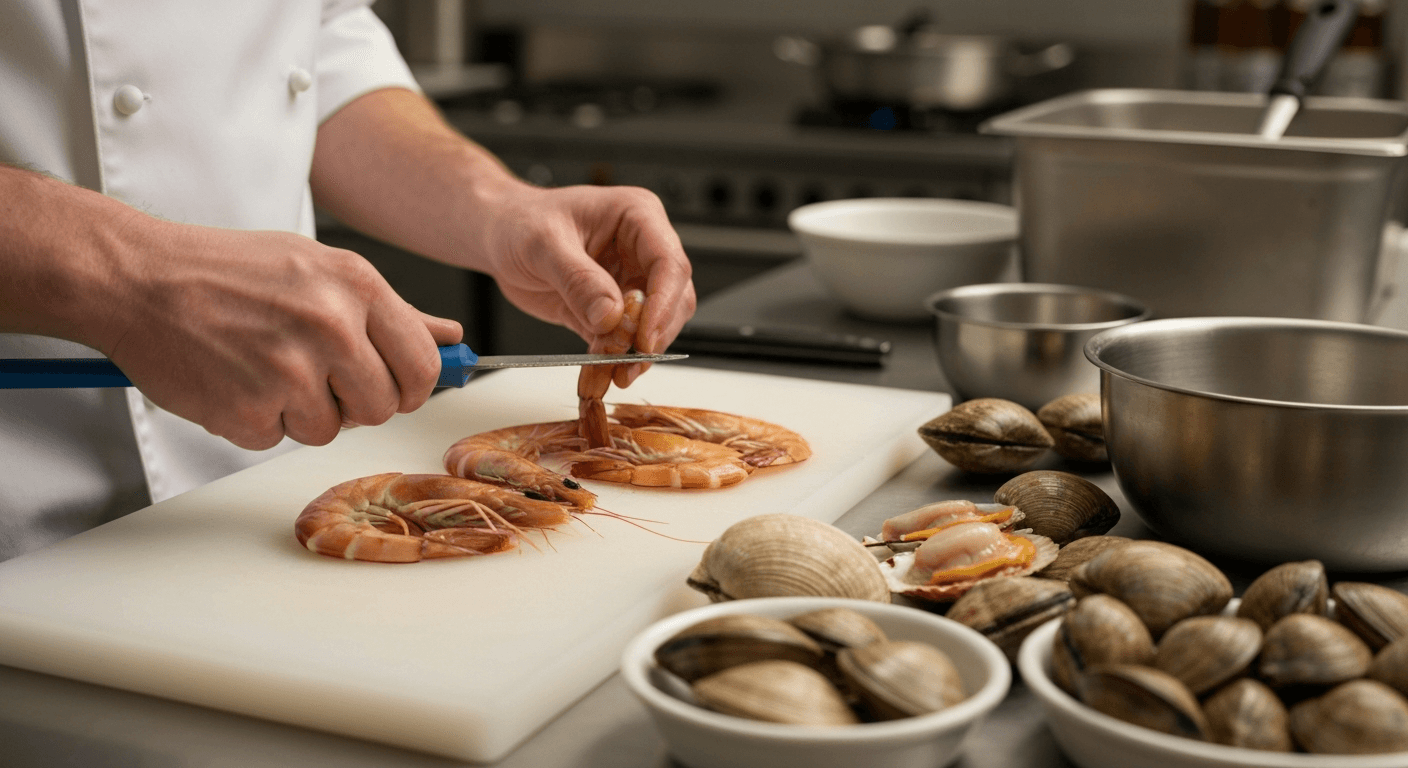
Shellfish Savvy: A Guide to Cleaning & Preparing Mussels, Clams & Oysters
Shellfish, with their briny flavor and delicate textures, are a culinary delight. However, the thought of cleaning and preparing them can be intimidating. This guide will demystify the process, providing you with the knowledge and confidence to tackle mussels, clams, and oysters like a seasoned chef. We'll cover everything from selecting the freshest shellfish to storing them properly and preparing them for various cooking methods.
Understanding Shellfish: Mussels, Clams, and Oysters
Before diving into the cleaning process, let's briefly understand the characteristics of each shellfish.
Mussels: These bivalves are typically elongated and dark-shelled. They are often farmed and readily available.
Clams: Clams come in various sizes and shapes, from small littleneck clams to larger quahogs. Their shells are generally smoother than mussels.
Oysters: Oysters are known for their irregular, often rough shells. They are prized for their unique flavor profiles, which vary depending on their origin (merroir).
Selecting the Freshest Shellfish
Choosing fresh shellfish is crucial for both taste and safety. Here's what to look for:
General Guidelines for All Shellfish:
-
Smell: Fresh shellfish should have a mild, sea-like aroma. Avoid any that smell overly fishy, sour, or ammonia-like.
-
Shell Condition: The shells should be intact and free from cracks. Minor chips are usually acceptable, but avoid shellfish with severely damaged shells.
-
Source: Purchase shellfish from reputable sources that prioritize freshness and proper handling. Ask your fishmonger about the origin and harvest date.
Specific Considerations:
-
Mussels and Clams:
-
Live Test: Live mussels and clams should be tightly closed. If the shells are slightly open, tap them gently. They should close quickly. Discard any that remain open or don't react to tapping. This indicates they are dead.
-
Weight: They should feel heavy for their size, indicating they are full of seawater.
-
-
Oysters:
-
Cupped Shape: Choose oysters with a deep, cupped shell, as this indicates a good amount of liquor (the flavorful liquid inside).
-
Live Test: Similar to mussels and clams, oysters should be tightly closed. If the shell is slightly open, tap it. A live oyster will often close or show movement. Discard any that remain open.
-
Storing Shellfish Properly
Proper storage is essential to maintain the freshness and safety of your shellfish. Here's how to store them:
-
Keep Cool: Shellfish should be stored in the refrigerator at a temperature between 32°F and 40°F (0°C and 4°C).
-
Breathable Container: Store them in a breathable container, such as a bowl covered with a damp cloth or paper towel. This allows them to breathe and prevents them from drying out.
-
Avoid Submerging in Water: Do not store shellfish submerged in fresh water, as this will kill them.
-
Consume Promptly: It's best to consume shellfish as soon as possible after purchase. Mussels and clams are typically best used within 1-2 days, while oysters can sometimes last a bit longer (2-3 days) if properly stored.
Cleaning Mussels
Mussels often have beards (fibrous strands) and debris attached to their shells. Here's how to clean them:
Step 1: Rinse Thoroughly: Rinse the mussels under cold running water to remove any loose dirt or sand.
Step 2: Debeard (if necessary): Some mussels are already debearded. If your mussels have beards, grasp the beard firmly and pull it towards the hinge of the shell. It should come off easily. If it's stubborn, use pliers or a small knife.
Step 3: Scrub the Shells: Use a stiff brush to scrub the shells and remove any barnacles or other debris.
Step 4: Check for Open Shells: As mentioned earlier, discard any mussels that are open and don't close when tapped.
Common Mistakes:
-
Pulling the beard away from the hinge: This can damage the mussel.
-
Soaking mussels in fresh water for extended periods: This will kill them.
Tips:
-
If the beard is difficult to remove, try using a clean dish towel to get a better grip.
-
Some people prefer to debeard mussels just before cooking to minimize stress on the shellfish.
Cleaning Clams
Clams can also contain sand and grit. Here's how to clean them:
Step 1: Purge (if necessary): To remove sand from clams, you can purge them. Place the clams in a bowl of cold saltwater (about 1/3 cup of sea salt per gallon of water) for 20-30 minutes. The clams will filter the water and expel the sand. Change the water a few times during the process.
Step 2: Rinse Thoroughly: Rinse the clams under cold running water.
Step 3: Scrub the Shells: Use a stiff brush to scrub the shells and remove any debris.
Step 4: Check for Open Shells: Discard any clams that are open and don't close when tapped.
Common Mistakes:
-
Using tap water to purge clams: Tap water can kill them.
-
Over-purging clams: Purging for too long can stress the clams and make them less flavorful.
Tips:
-
You can use the saltwater from the clam purging process to make a flavorful broth for cooking.
-
If you're short on time, you can skip the purging step and simply rinse the clams thoroughly.
Opening Oysters (Shucking)
Shucking oysters requires a bit of practice and caution. Here's how to do it safely:
Equipment:
-
Oyster Knife: A specialized oyster knife with a short, sturdy blade and a comfortable handle.
-
Thick Towel: To protect your hand.
Step 1: Protect Your Hand: Fold the towel and place it in your non-dominant hand. Hold the oyster firmly in the towel, with the cupped side down and the hinge facing you.
Step 2: Insert the Knife: Locate the hinge of the oyster (the pointed end). Insert the tip of the oyster knife into the hinge and gently wiggle it until you find a point of entry.
Step 3: Twist and Pry: Once the knife is inserted, twist it gently to pry the shells apart. You may need to apply some pressure.
Step 4: Run the Knife Along the Top Shell: Once the shell is slightly open, run the knife along the inside of the top shell to detach the oyster meat.
Step 5: Remove the Top Shell: Carefully remove the top shell.
Step 6: Run the Knife Under the Oyster: Run the knife under the oyster to detach it from the bottom shell, being careful not to spill the liquor.
Step 7: Serve Immediately: Serve the oyster immediately on a bed of ice.
Common Mistakes:
-
Using a regular knife: This is dangerous and can damage the oyster.
-
Applying too much force: This can cause the knife to slip and injure you.
-
Spilling the liquor: The liquor is a valuable part of the oyster's flavor.
Tips:
-
Wear gloves for added protection.
-
Practice makes perfect! Don't be discouraged if you don't get it right the first time.
-
Watch videos of experienced oyster shuckers to learn proper technique.
Cooking Methods and Recipe Ideas
Now that you know how to clean and prepare mussels, clams, and oysters, let's explore some delicious cooking methods and recipe ideas.
Mussels:
-
Steamed Mussels with White Wine and Garlic: A classic and simple preparation that highlights the natural flavors of the mussels.
-
Mussels Marinara: Mussels simmered in a rich tomato sauce with herbs and spices.
-
Moules Frites: Steamed mussels served with crispy french fries.
Clams:
-
Steamed Clams: Similar to steamed mussels, but with clams.
-
Clam Chowder: A creamy and comforting soup with clams, potatoes, and vegetables.
-
Linguine with Clams (Vongole): A classic Italian pasta dish with clams, garlic, white wine, and olive oil.
Oysters:
-
Raw Oysters on the Half Shell: The most classic way to enjoy oysters, often served with lemon wedges, mignonette sauce, or hot sauce.
-
Grilled Oysters: Oysters grilled in their shells with butter, herbs, and garlic.
-
Oysters Rockefeller: Baked oysters topped with a rich sauce of spinach, herbs, and breadcrumbs.
Safety Tips
-
Only consume shellfish from reputable sources.
-
Discard any shellfish that are dead or have a foul odor.
-
Cook shellfish thoroughly to kill any harmful bacteria. The internal temperature should reach 145°F (63°C).
-
Pregnant women, young children, and people with compromised immune systems should avoid eating raw shellfish.
Conclusion
With a little knowledge and practice, preparing mussels, clams, and oysters can be a rewarding culinary experience. By following these guidelines, you can ensure that your shellfish are fresh, safe, and delicious. So, go ahead and explore the world of shellfish cookery – your taste buds will thank you!