Sharp Knives, Safe Cooking: Mastering Knife Sharpening
Unlock safer, more efficient cooking by mastering knife sharpening. Learn whetstone, steel, & electric techniques for a razor-sharp edge!
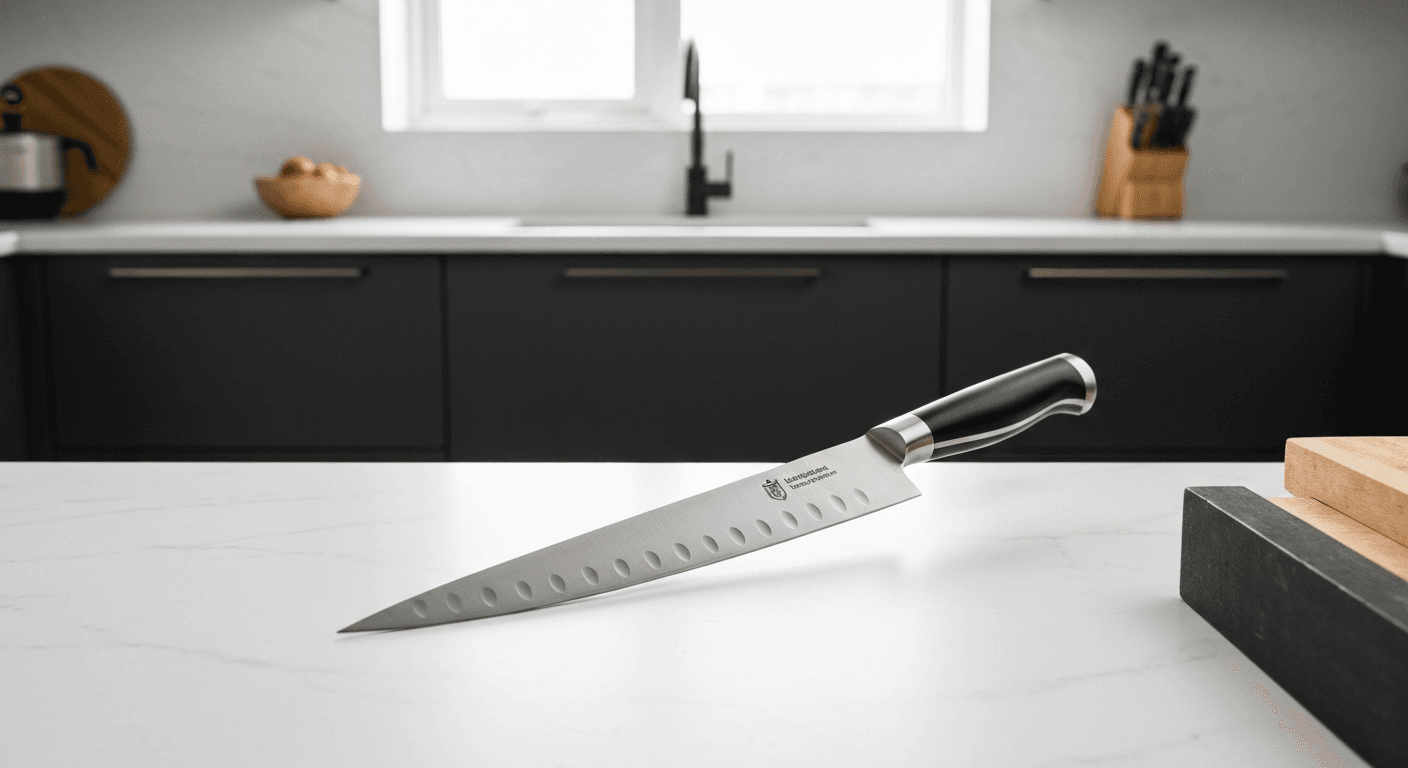
A dull knife is more dangerous than a sharp one. It requires more force to cut, increasing the likelihood of slipping and causing injury. A sharp knife, on the other hand, glides through food with ease, providing better control and reducing the risk of accidents.
This comprehensive guide will teach you everything you need to know about knife sharpening, from understanding the basics to mastering different sharpening techniques. You'll learn how to choose the right tools, properly use them, and maintain your knives for years to come.
Why Sharp Knives Matter
The importance of a sharp knife extends beyond safety. Sharp knives improve your overall cooking experience.
They make food preparation faster and more enjoyable. Clean cuts preserve the texture and flavor of ingredients, leading to better-tasting dishes. A sharp knife also allows for more precise cuts, which is crucial for certain recipes and presentations.
Understanding Knife Anatomy
Before diving into sharpening techniques, it's essential to understand the anatomy of a knife blade.
The blade is the main cutting surface. The edge is the sharpened part of the blade that makes contact with the food. The spine is the thick, unsharpened back of the blade. The bolster is the thick area where the blade meets the handle. The tang is the portion of the blade that extends into the handle.
Understanding these components will help you visualize the sharpening process and achieve the desired results.
Essential Sharpening Tools
Several tools are available for sharpening knives, each with its own advantages and disadvantages. The three most common types are whetstones, honing steels, and electric sharpeners.
Whetstones (Sharpening Stones)
Whetstones are considered the gold standard for knife sharpening. They use abrasive materials to remove tiny amounts of metal from the blade, creating a new, sharper edge.
Whetstones come in various grits, ranging from coarse to fine. Coarse grits are used for repairing damaged blades or creating a new edge, while fine grits are used for refining and polishing the edge.
-
Types of Whetstones:
- Oil stones: Use oil as a lubricant.
- Water stones: Use water as a lubricant. Water stones typically cut faster than oil stones.
- Diamond stones: Use diamond particles as the abrasive. They are very aggressive and can sharpen knives quickly.
-
Choosing a Whetstone: Consider the type of steel your knives are made of and your sharpening experience. Water stones are generally recommended for beginners due to their ease of use and fast cutting action.
Honing Steels
Honing steels do not actually sharpen knives. Instead, they realign the microscopic teeth on the edge of the blade, which can become bent or misaligned during use.
Think of it like straightening out a wrinkled piece of paper. Honing should be done regularly, ideally before each use, to maintain the sharpness of your knives.
- Types of Honing Steels:
- Steel honing steels: Made of hardened steel, often with ridges or grooves.
- Ceramic honing steels: Made of ceramic, offering a finer honing action than steel.
- Diamond honing steels: Coated with diamond particles, providing a more aggressive honing action.
Electric Sharpeners
Electric sharpeners offer a convenient and quick way to sharpen knives. They use motorized abrasive wheels to sharpen the blade.
While electric sharpeners can be effective, they can also be aggressive and remove too much metal from the blade if not used carefully. They are generally best suited for knives that are already somewhat sharp.
- Choosing an Electric Sharpener: Look for models with multiple stages, including a sharpening stage, a honing stage, and a polishing stage.
Sharpening with a Whetstone: Step-by-Step
Sharpening with a whetstone takes practice, but it's the best way to achieve a truly razor-sharp edge.
-
Prepare the Whetstone: If using a water stone, soak it in water for 5-10 minutes until no more bubbles appear. If using an oil stone, apply a thin layer of honing oil to the surface.
-
Position the Knife: Hold the knife at the correct angle against the stone. The angle will vary depending on the type of knife, but a good starting point is 15-20 degrees. You can use a knife sharpening angle guide to help maintain the correct angle.
-
Sharpen One Side: With consistent pressure, push the knife across the stone, starting at the heel of the blade and ending at the tip. Repeat this motion several times, maintaining the same angle.
-
Sharpen the Other Side: Flip the knife over and repeat the process on the other side of the blade. Use the same number of strokes and the same angle.
-
Alternate Sides: Continue alternating sides, gradually reducing the pressure with each stroke.
-
Check for a Burr: A burr is a tiny, raised edge of metal that forms on the opposite side of the blade as you sharpen. You can feel for it by gently running your finger across the blade.
-
Remove the Burr: To remove the burr, use very light strokes on the whetstone, alternating sides. You can also use a honing steel to remove the burr.
-
Polish the Edge: Use a finer grit whetstone or a leather strop to polish the edge of the blade.
Common Mistakes when Using a Whetstone
- Using the wrong angle: This is the most common mistake. Using the wrong angle will result in a dull or uneven edge.
- Applying too much pressure: Applying too much pressure can damage the blade and the stone.
- Not using enough lubricant: Using too little water or oil can cause the blade to stick to the stone.
- Not maintaining the angle: It's important to maintain the same angle throughout the sharpening process.
- Skipping grits: Don't skip grits. Each grit plays a crucial role in creating a sharp edge.
Tips for Successful Whetstone Sharpening
- Practice, practice, practice: Sharpening with a whetstone takes practice. Don't get discouraged if you don't get it right away.
- Use a knife sharpening angle guide: This will help you maintain the correct angle.
- Watch videos and read articles: There are many resources available online that can help you learn how to sharpen with a whetstone.
- Start with a less expensive knife: This way, you won't be as worried about damaging your good knives.
- Be patient: Sharpening with a whetstone takes time. Don't rush the process.
Honing with a Steel: Step-by-Step
Honing with a steel is a quick and easy way to maintain the sharpness of your knives.
-
Hold the Steel: Hold the honing steel vertically with the tip resting on a stable surface.
-
Position the Knife: Hold the knife at a 15-20 degree angle against the steel.
-
Hone One Side: Starting at the heel of the blade, draw the knife down the steel in a smooth, arcing motion, ending at the tip.
-
Hone the Other Side: Repeat the process on the other side of the blade.
-
Alternate Sides: Continue alternating sides, using light pressure.
-
Repeat: Repeat the process 5-10 times on each side.
Common Mistakes when Using a Honing Steel
- Using too much pressure: This can damage the blade.
- Using the wrong angle: This will not effectively realign the edge.
- Honing too quickly: Use a slow, deliberate motion.
Tips for Successful Honing
- Hone regularly: Hone your knives before each use to maintain their sharpness.
- Use light pressure: Let the weight of the knife do the work.
- Clean the honing steel: Wipe the honing steel with a clean cloth after each use.
Using an Electric Sharpener: Step-by-Step
Electric sharpeners can be a convenient option, but it's crucial to use them correctly to avoid damaging your knives.
-
Read the Instructions: Always read and follow the manufacturer's instructions for your specific electric sharpener.
-
Select the Stage: Choose the appropriate stage for your knife's condition. Start with the sharpening stage for dull knives, and use the honing and polishing stages for maintenance.
-
Insert the Knife: Carefully insert the knife into the designated slot, following the angle guides.
-
Draw the Knife Through: Gently draw the knife through the slot, applying light pressure. Do not force the knife.
-
Repeat: Repeat the process according to the manufacturer's instructions.
-
Test the Sharpness: Carefully test the sharpness of the knife after each stage.
Common Mistakes when Using an Electric Sharpener
- Using the wrong stage: Using the wrong stage can damage the blade.
- Applying too much pressure: This can remove too much metal from the blade.
- Forcing the knife: This can damage the sharpener and the knife.
- Not following the instructions: Always follow the manufacturer's instructions.
Tips for Successful Electric Sharpening
- Start with a less expensive knife: Practice with a less expensive knife before using the sharpener on your good knives.
- Use light pressure: Let the sharpener do the work.
- Clean the sharpener: Clean the sharpener after each use to remove metal shavings.
Testing Sharpness
After sharpening, it's important to test the sharpness of your knife. Here are a few methods:
- The Paper Test: Hold a sheet of paper vertically and try to slice through it with the knife. A sharp knife will slice cleanly through the paper without tearing.
- The Tomato Test: Try to slice a ripe tomato. A sharp knife will slice through the skin of the tomato without crushing it.
- The Arm Hair Test: (Use with caution!) Gently try to shave a few hairs off your arm. A sharp knife will shave the hairs easily.
Knife Care and Maintenance
Proper knife care and maintenance will help prolong the life of your knives and keep them sharp.
- Wash your knives by hand: Dishwashers can damage the blade and handle.
- Dry your knives immediately: This will prevent rust.
- Store your knives properly: Use a knife block, magnetic strip, or sheaths to protect the blades.
- Avoid cutting on hard surfaces: Cutting on glass, granite, or other hard surfaces can dull the blade.
- Hone your knives regularly: This will help maintain their sharpness.
- Sharpen your knives as needed: Sharpen your knives when they become dull.
Conclusion
Mastering knife sharpening is an essential skill for any cook. By understanding the basics of knife anatomy, choosing the right tools, and practicing proper techniques, you can keep your knives razor-sharp and enjoy safer, more efficient cooking. Don't be afraid to experiment and find the sharpening methods that work best for you. With a little patience and practice, you'll be able to achieve professional-level sharpness in your own kitchen.