Sauce Reduction Secrets: Unlock Intense Flavor
Master sauce reduction! Transform ordinary liquids into intensely flavorful sauces. Elevate your dishes with concentrated deliciousness.
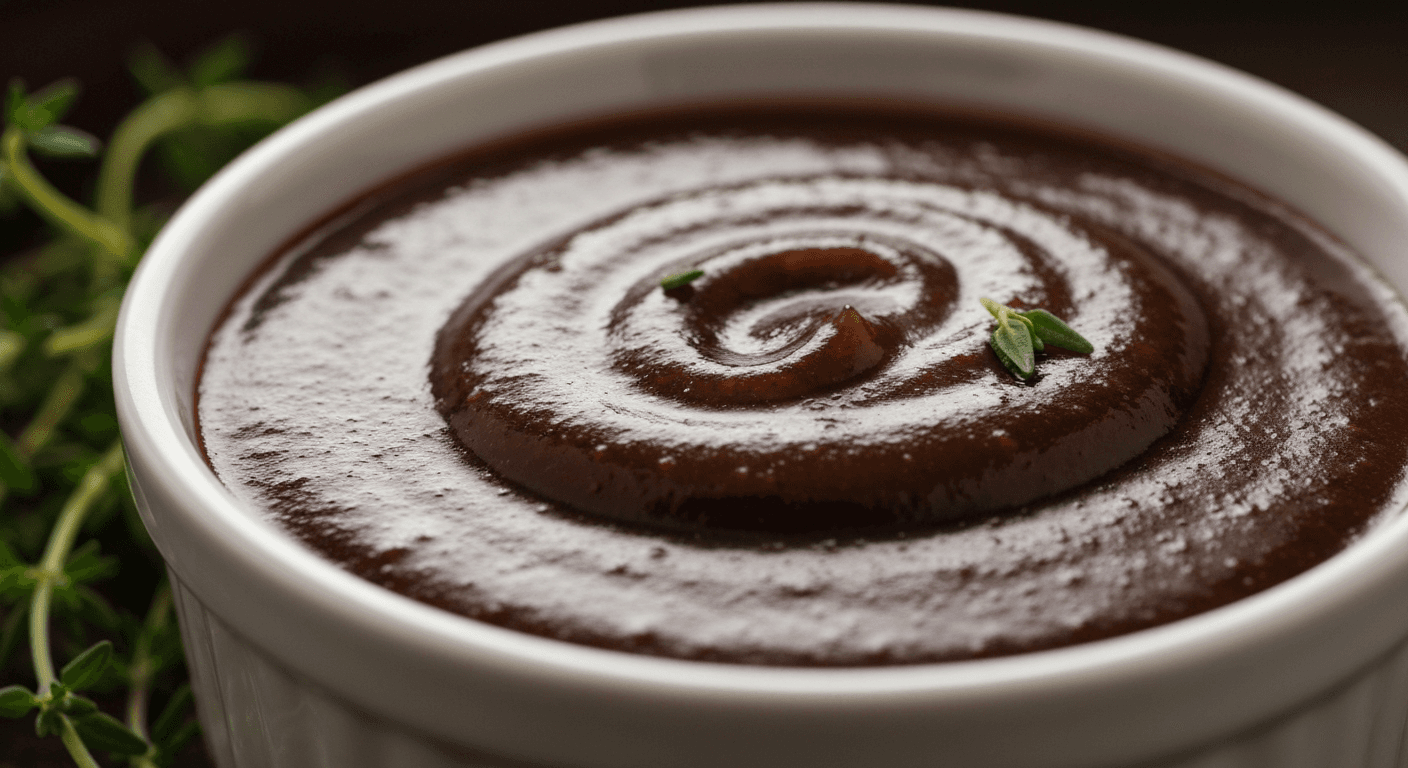
Sauce Reduction Secrets: Concentrated Flavor, Elevated Dishes
Sauce reduction is a fundamental cooking technique that transforms ordinary liquids into intensely flavorful sauces. It's the secret weapon behind many restaurant-quality dishes, allowing you to concentrate flavors and create a luxurious texture.
This guide will explore the art of sauce reduction, covering different techniques, liquid choices, and practical applications to elevate your cooking.
What is Sauce Reduction?
At its core, sauce reduction is the process of simmering a liquid to evaporate water, thereby concentrating the flavors of the remaining ingredients. This process not only intensifies the taste but also thickens the sauce, creating a richer and more satisfying mouthfeel.
Think of it as the culinary equivalent of distilling a fine spirit – you're taking something good and making it even better.
The Science Behind the Simmer
The magic of sauce reduction lies in the interplay of heat, evaporation, and flavor concentration. As the liquid simmers, water molecules escape as steam, leaving behind the dissolved solids – the flavor compounds, sugars, and proteins that contribute to the sauce's character.
The Maillard reaction, a chemical reaction between amino acids and reducing sugars, also plays a crucial role, especially when reducing sauces containing meat or vegetables. This reaction creates hundreds of new flavor compounds, adding depth and complexity to the final product.
Essential Techniques for Sauce Reduction
Mastering the art of sauce reduction involves understanding a few key techniques. Each technique is suited to different types of sauces and desired outcomes.
1. The Gentle Simmer:
This is the most common and versatile reduction technique. It involves maintaining a low, consistent simmer, allowing the liquid to evaporate slowly and evenly.
- How to do it: Bring the liquid to a boil, then immediately reduce the heat to maintain a gentle simmer. You should see small bubbles rising to the surface.
- Ideal for: Delicate sauces, such as cream-based sauces or those with delicate herbs, where a rapid boil could scorch or separate the ingredients.
- Tip: Stir occasionally to prevent sticking and ensure even evaporation.
2. The Vigorous Boil (for stocks):
This technique is primarily used for reducing stocks or broths. The higher heat accelerates evaporation, saving time.
- How to do it: Maintain a rolling boil, skimming off any impurities that rise to the surface.
- Ideal for: Reducing large quantities of stock quickly.
- Caution: Requires careful monitoring to prevent the sauce from reducing too quickly or scorching.
3. The Pan Sauce Reduction (Deglazing):
This technique is a classic way to create flavorful pan sauces after searing meat or vegetables.
- How to do it: After removing the cooked protein or vegetable, deglaze the pan with wine, stock, or other liquid. Scrape up the browned bits (fond) from the bottom of the pan, then simmer until the sauce reaches the desired consistency.
- Ideal for: Creating quick and flavorful sauces to accompany meats, poultry, or vegetables.
- Tip: Use a whisk to incorporate the fond into the liquid for maximum flavor.
4. Beurre Monté (Mounted Butter Sauce):
While technically not a reduction in the traditional sense, beurre monté achieves a similar goal of thickening and enriching a sauce. It involves whisking cold butter into a small amount of simmering liquid to create a stable emulsion.
- How to do it: Bring a small amount of liquid (water, stock, or wine) to a simmer. Reduce the heat to low and whisk in small pieces of cold butter, one at a time, allowing each piece to melt before adding the next.
- Ideal for: Creating a luxurious and glossy sauce for fish, vegetables, or eggs.
- Tip: Keep the heat low and whisk constantly to prevent the sauce from breaking.
Choosing the Right Liquid
The choice of liquid is paramount in sauce reduction. The base liquid will heavily influence the final flavor profile of your sauce.
1. Stocks and Broths:
These are excellent choices for savory sauces, providing a rich and complex flavor base. Use homemade stock for the best results, or opt for high-quality store-bought options.
- Beef stock: Adds a robust, meaty flavor, ideal for red meat dishes.
- Chicken stock: Versatile and mild, suitable for poultry, vegetables, and cream-based sauces.
- Vegetable stock: A lighter option, perfect for vegetarian and vegan dishes.
- Fish stock (fumet): Delicate and flavorful, best for seafood sauces.
2. Wine:
Wine adds acidity, complexity, and fruity notes to sauces.
- Red wine: Adds depth and richness, often used in sauces for beef, lamb, or game.
- White wine: Lighter and brighter, suitable for poultry, fish, and vegetable dishes.
- Fortified wines (e.g., sherry, port): Add sweetness and nutty notes, excellent for dessert sauces or sauces with rich meats.
3. Fruit Juices:
Fruit juices can be reduced to create sweet and tangy sauces for desserts or savory dishes.
- Apple juice: Adds a subtle sweetness and acidity.
- Cranberry juice: Tart and vibrant, pairs well with poultry and game.
- Pomegranate juice: Adds a complex, slightly tart flavor.
4. Dairy:
Cream, milk, and yogurt can be reduced to thicken sauces and add richness.
- Heavy cream: Creates a luxurious and decadent sauce.
- Milk: A lighter option, suitable for everyday sauces.
- Yogurt: Adds a tangy and slightly acidic flavor.
5. Other Liquids:
- Vinegar: Adds acidity and tang, often used in vinaigrettes and pan sauces. Balsamic vinegar reduction is a popular choice.
- Soy sauce: Adds umami and saltiness, ideal for Asian-inspired sauces.
- Beer: Adds a malty and slightly bitter flavor, suitable for meat dishes.
Seasoning and Flavor Enhancements
While the reduction process itself concentrates flavors, don't forget to season your sauce appropriately.
- Salt and pepper: Essential for balancing flavors. Add salt gradually, as the sauce will become saltier as it reduces.
- Herbs: Fresh or dried herbs add aroma and complexity. Add fresh herbs towards the end of the reduction to preserve their flavor.
- Spices: Add depth and warmth. Use sparingly, as spices can become overpowering when concentrated.
- Aromatics (e.g., garlic, onions, shallots): Sauté aromatics before adding the liquid to build a flavorful base.
- Acids (e.g., lemon juice, vinegar): Brighten the flavor and balance richness. Add towards the end of the reduction.
- Sweeteners (e.g., honey, maple syrup): Add sweetness and balance acidity. Use sparingly.
- Umami boosters (e.g., soy sauce, Worcestershire sauce, fish sauce): Add depth and savory notes.
Common Mistakes to Avoid
- Reducing too quickly: This can lead to scorching or uneven flavor concentration.
- Not skimming impurities: This can result in a cloudy and bitter sauce.
- Over-reducing: This can result in a sauce that is too thick or salty.
- Adding salt too early: The sauce will become saltier as it reduces, so add salt gradually and taste frequently.
- Using low-quality ingredients: The quality of your ingredients will directly impact the flavor of your sauce.
Troubleshooting Sauce Reduction
- Sauce is too thick: Add a small amount of liquid (water, stock, or wine) to thin it out.
- Sauce is too thin: Continue simmering until it reaches the desired consistency.
- Sauce is too salty: Add a small amount of acid (lemon juice or vinegar) to balance the saltiness. You can also add a touch of sweetness. If all else fails, consider making a larger batch of unsalted sauce and combining it with the salty sauce.
- Sauce is curdled: This can happen with cream-based sauces. Whisk in a small amount of cold water or cream to try to re-emulsify the sauce. Prevent curdling by using a low heat and avoiding acidic ingredients.
- Sauce is bitter: This can be caused by scorching or using low-quality ingredients. There's not much you can do to fix a bitter sauce, so it's best to start over.
Practical Applications and Recipe Ideas
Sauce reduction is a versatile technique that can be used in countless recipes. Here are a few ideas to get you started:
- Pan sauce for steak: Deglaze the pan with red wine and beef stock, then reduce until thickened. Finish with butter and herbs.
- Balsamic glaze: Reduce balsamic vinegar until it coats the back of a spoon. Drizzle over salads, grilled vegetables, or cheese.
- Cream sauce for pasta: Reduce heavy cream with garlic, herbs, and Parmesan cheese.
- Fruit sauce for desserts: Reduce fruit juice with sugar and spices. Serve over ice cream, pancakes, or waffles.
- Reductions for cocktails: Reduce fruit juices or syrups to create intensely flavored cocktail ingredients.
Elevating Your Cooking with Sauce Reduction
Mastering the art of sauce reduction is a game-changer in the kitchen. It allows you to transform simple ingredients into complex and flavorful sauces that will elevate your dishes to new heights.
By understanding the techniques, choosing the right liquids, and seasoning appropriately, you can unlock the full potential of this essential cooking skill. So, grab your saucepan and start experimenting! The possibilities are endless.