Pressure Cooking: Unlock Flavor & Speed with Stovetop or Instant Pot
Master pressure cooking! From stovetop to Instant Pot, discover the secrets to faster, flavorful meals. Learn safety, tips, and recipes!
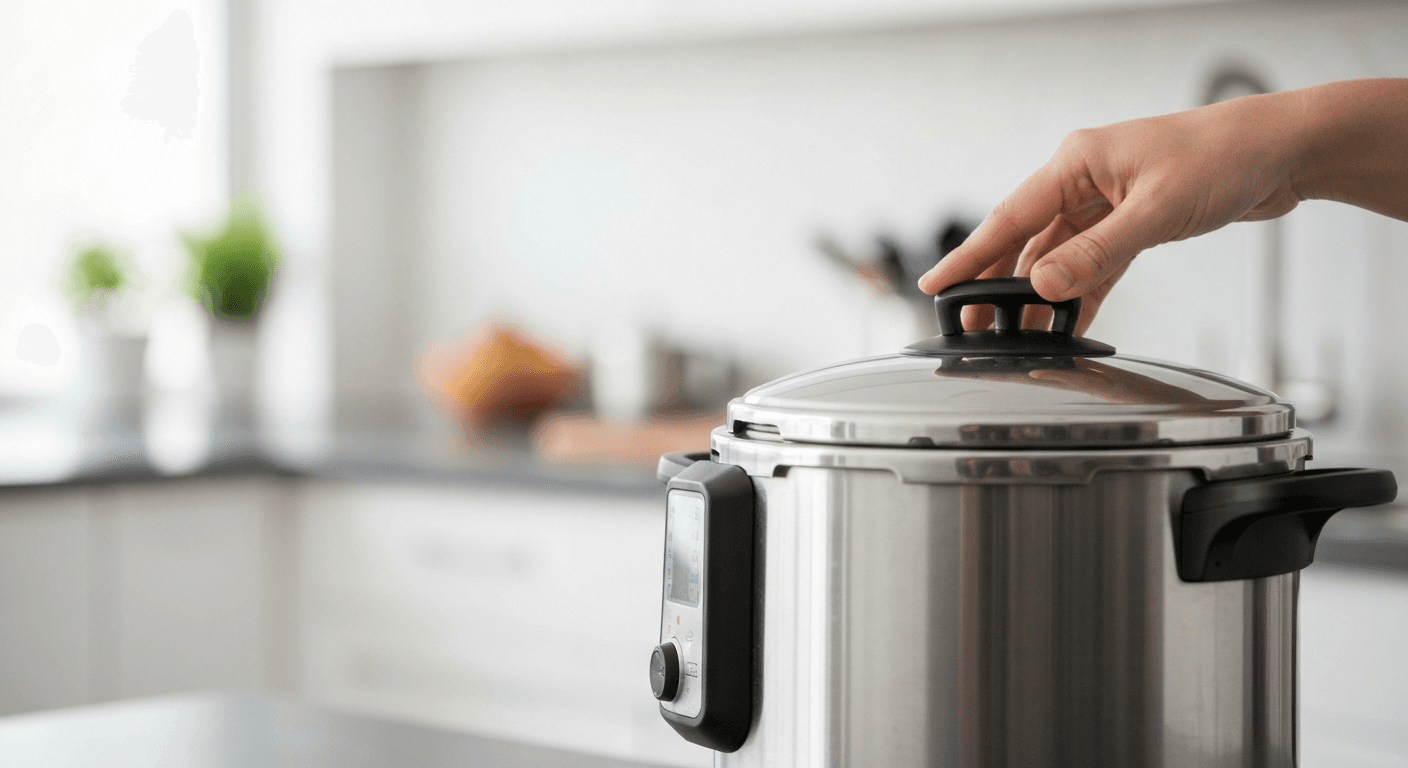
Instant Pot or Not: Mastering Pressure Cooking for Flavor & Speed
Pressure cooking. The words might conjure images of exploding kitchens from your grandmother's era. But fear not! Modern pressure cookers, both stovetop and electric (like the ever-popular Instant Pot), are safe, efficient, and incredibly versatile tools for the modern cook. They can dramatically reduce cooking times and, surprisingly, often enhance flavor.
This guide will demystify pressure cooking, exploring the science behind it, offering practical tips for safe and successful cooking, and providing inspiration for delicious meals.
The Science of Speed: How Pressure Cooking Works
The magic of pressure cooking lies in its ability to raise the boiling point of water. In a sealed pressure cooker, steam builds up, increasing the internal pressure. This higher pressure means water can get hotter than its usual boiling point of 212°F (100°C) without turning into steam.
This superheated water cooks food much faster. Think of it like this: the higher the temperature, the faster the chemical reactions that break down starches, tenderize proteins, and meld flavors.
Furthermore, because the cooker is sealed, moisture is retained. This prevents food from drying out and allows flavors to concentrate, resulting in richer and more intense dishes.
Stovetop vs. Electric: Choosing Your Pressure Cooker
Both stovetop and electric pressure cookers achieve the same goal: cooking food quickly under pressure. However, they differ in their features and operation.
Stovetop Pressure Cookers:
- Pros: Generally less expensive, can reach higher pressures (leading to slightly faster cooking), durable.
- Cons: Requires more active monitoring of pressure and heat, steeper learning curve, can be intimidating for beginners.
Electric Pressure Cookers (Instant Pots):
- Pros: User-friendly with pre-set programs, automatic pressure and temperature control, built-in safety features, can double as slow cookers, rice cookers, etc.
- Cons: More expensive, maximum pressure is typically lower than stovetop models, can be bulky.
Which one is right for you? If you are comfortable with stovetop cooking and want maximum control, a stovetop model might be a good choice. If you prefer convenience, ease of use, and versatility, an electric pressure cooker is an excellent option.
Safety First: Pressure Cooking Best Practices
Safety is paramount when pressure cooking. Follow these guidelines to ensure a safe and enjoyable experience:
-
Read the manual: This is crucial! Each pressure cooker model has specific instructions and safety features.
-
Don't overfill: Overfilling can clog the steam release valve and prevent proper pressure regulation. As a general rule, don't fill the cooker more than two-thirds full, or half full for foods that expand during cooking (like beans and grains).
-
Ensure proper sealing: Make sure the lid is properly sealed before starting to cook. Check the gasket for any damage or debris.
-
Use the correct pressure release method: There are two main methods: Natural Pressure Release (NPR), where the pressure is allowed to dissipate on its own, and Quick Pressure Release (QPR), where you manually release the pressure by opening the steam release valve. NPR is generally preferred for larger cuts of meat or foods that are prone to foaming, while QPR is suitable for delicate vegetables or when you need to stop the cooking process quickly.
-
Never force the lid open: If the lid is stuck, it means there is still pressure inside. Do not attempt to force it open. Allow the pressure to release completely.
-
Clean the pressure release valve regularly: This prevents clogs and ensures proper pressure regulation.
-
Inspect the gasket: Check the gasket for cracks or damage before each use. Replace it if necessary.
Adapting Recipes for Pressure Cooking
Many recipes can be adapted for pressure cooking. Here are some key considerations:
-
Reduce liquid: Because pressure cookers are sealed, less liquid evaporates. Reduce the amount of liquid called for in the original recipe by about one-third to one-half.
-
Adjust cooking time: Pressure cooking significantly reduces cooking time. A general rule of thumb is to divide the original cooking time by three. However, it's best to consult pressure cooking charts or online resources for specific foods.
-
Consider the order of ingredients: Add ingredients that require longer cooking times first, followed by those that cook more quickly. For example, add tough meats before delicate vegetables.
-
Thicken sauces after cooking: Sauces may be thinner after pressure cooking. Thicken them by simmering uncovered after the pressure has been released, or by using a slurry of cornstarch and water.
-
Use a trivet: When steaming or cooking foods that shouldn't sit directly in liquid, use a trivet to elevate them above the water level.
Delicious Dishes: What to Cook in Your Pressure Cooker
The possibilities are endless when it comes to pressure cooking. Here are some popular and delicious options:
-
Stews and Braises: Pressure cooking transforms tough cuts of meat into tender, flavorful stews and braises in a fraction of the time.
-
Beans and Legumes: Cook dried beans and legumes without pre-soaking in under an hour.
-
Soups: Create hearty and flavorful soups quickly and easily.
-
Rice and Grains: Cook perfect rice, quinoa, and other grains with consistent results.
-
Roasts: Pressure cook a whole chicken or pot roast for a tender and juicy result.
-
Vegetables: Steam vegetables quickly and retain their vibrant color and nutrients.
-
Desserts: Believe it or not, you can even make desserts like cheesecakes, rice pudding, and bread pudding in a pressure cooker.
Example Recipe: Pressure Cooker Chicken Noodle Soup
Ingredients:
- 1 tablespoon olive oil
- 1 onion, chopped
- 2 carrots, chopped
- 2 celery stalks, chopped
- 4 cloves garlic, minced
- 4 cups chicken broth
- 1 pound boneless, skinless chicken breasts
- 1 teaspoon dried thyme
- 1/2 teaspoon salt
- 1/4 teaspoon black pepper
- 1 cup egg noodles
- 1/4 cup chopped fresh parsley
Instructions:
-
Heat olive oil in the pressure cooker. Add onion, carrots, and celery and cook until softened, about 5 minutes.
-
Add garlic and cook for 1 minute more.
-
Pour in chicken broth. Add chicken breasts, thyme, salt, and pepper.
-
Seal the pressure cooker and cook on high pressure for 10 minutes.
-
Release pressure using the quick release method.
-
Remove chicken breasts and shred with two forks. Return shredded chicken to the pot.
-
Add egg noodles and cook on high pressure for 2 minutes.
-
Release pressure using the quick release method.
-
Stir in parsley and serve.
Troubleshooting Common Pressure Cooking Problems
Even with careful planning, you might encounter some issues. Here are some common problems and their solutions:
-
Food is undercooked: Increase the cooking time slightly in future attempts. Also, ensure your pressure cooker is reaching the correct pressure.
-
Food is overcooked: Reduce the cooking time in future attempts. Use the quick release method to stop the cooking process immediately.
-
Food is burnt: Not enough liquid in the pot. Ensure you are using the correct amount of liquid for the recipe and that the pressure cooker is properly sealed.
-
Steam is leaking from the lid: The lid may not be properly sealed, or the gasket may be damaged. Check the lid and gasket and ensure they are clean and in good condition.
-
Pressure cooker won't come to pressure: The lid may not be properly sealed, the pressure release valve may be open, or there may not be enough liquid in the pot. Check all these factors.
-
Food is foaming and clogging the valve: Use natural pressure release and avoid overfilling the pot with foods that tend to foam (like beans and oatmeal).
Conclusion: Embrace the Pressure!
Pressure cooking, whether with a stovetop model or an Instant Pot, is a game-changer in the kitchen. By understanding the science, following safety guidelines, and experimenting with recipes, you can unlock a world of flavorful and fast meals. Don't be intimidated – embrace the pressure and enjoy the delicious results!