Poultry Perfection: Mastering Chicken Fillets for Soups & More
Unlock the secrets to perfectly filleted chicken! Maximize yield, create even portions, and elevate your soup and bread recipes.
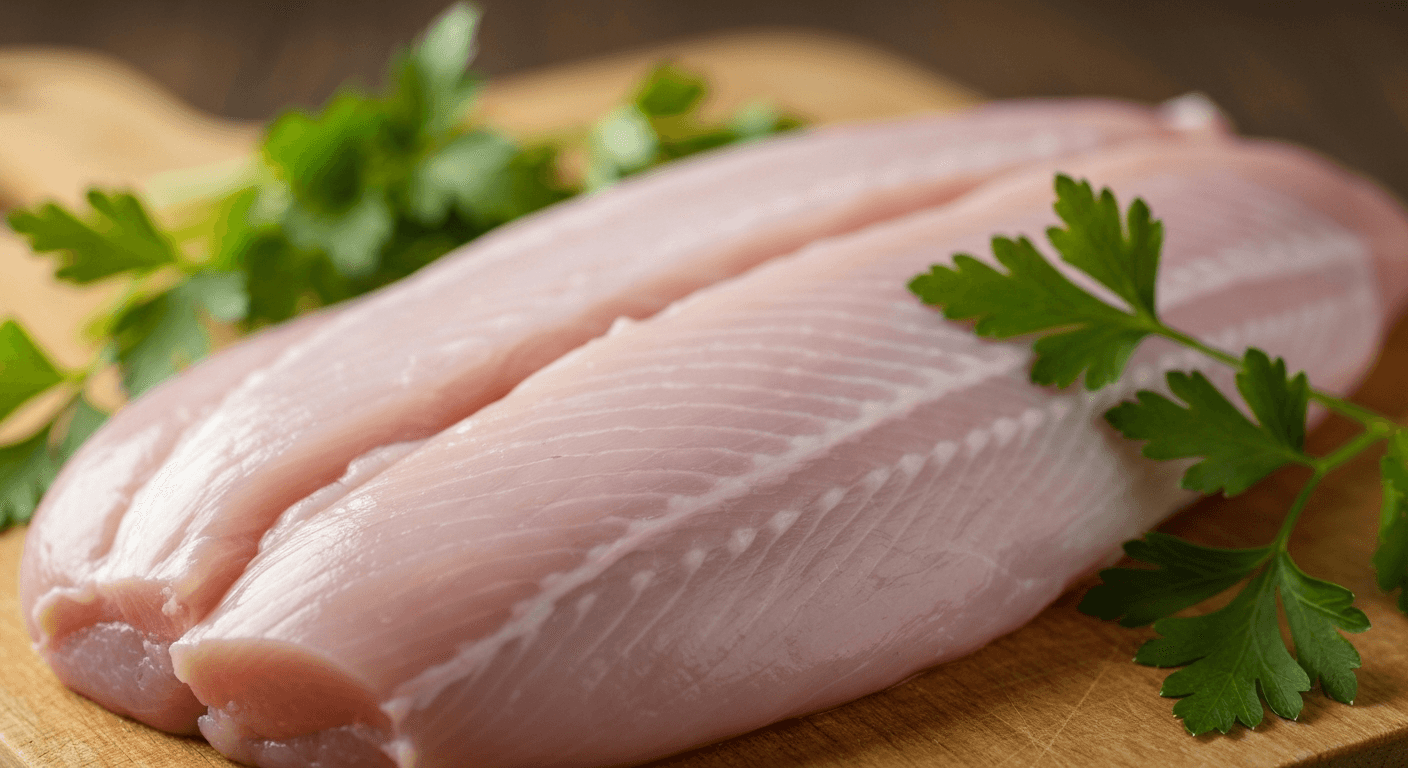
Chicken is a staple in countless kitchens, and mastering the art of filleting one is a skill that pays dividends. Not only does it save money compared to buying pre-cut pieces, but it also allows for greater control over portion sizes and ensures even cooking, which is crucial whether you're simmering a hearty chicken soup or preparing a flavorful filling for savory breads.
This guide will walk you through the process step-by-step, covering essential knife skills, bone identification, and techniques for removing skin and tendons, all with a focus on how perfectly filleted chicken can enhance your bread and soup creations.
Essential Equipment
Before you begin, gather the necessary tools to ensure a smooth and safe filleting process.
-
Sharp Filleting Knife: A thin, flexible blade (6-8 inches) is ideal for navigating around bones and removing skin with precision. A dull knife is more dangerous than a sharp one, as it requires more force and increases the risk of slipping.
-
Cutting Board: Choose a stable cutting board that won't slip on your countertop. A plastic or wooden board is suitable, but avoid glass boards, as they can dull your knife.
-
Kitchen Towels: Keep a few clean kitchen towels handy for wiping your hands and knife, as well as for providing a secure grip on the chicken.
-
Trash Bowl: A container for discarding bones, skin, and other unwanted parts will keep your workspace clean and organized.
Understanding Chicken Anatomy
Familiarizing yourself with the basic anatomy of a chicken will make the filleting process much easier. Here's a quick overview of the key areas you'll be working with:
-
Breast: The largest and most desirable part of the chicken, located on the front of the bird. It's a lean and versatile cut that's perfect for soups and bread fillings.
-
Thigh: Located on the upper part of the leg, the thigh is a dark meat cut that's rich in flavor and remains moist during cooking. It adds depth to soups and can be shredded for flavorful bread fillings.
-
Drumstick: The lower part of the leg, also dark meat, similar to the thigh in flavor and texture.
-
Wings: While not the primary focus of filleting, the wings can be separated and used for making chicken stock, a flavorful base for many soups.
-
Carcass: The remaining skeletal structure after the breasts, thighs, and drumsticks have been removed. This is invaluable for making chicken stock. Save it!
Step-by-Step Guide to Filleting a Chicken
Let's break down the filleting process into manageable steps.
1. Preparing the Chicken:
-
Rinse the chicken under cold water and pat it dry with paper towels. This removes any surface bacteria and provides a better grip.
-
Place the chicken breast-side up on the cutting board, with the legs facing away from you.
2. Removing the Breast:
-
Locate the breastbone (sternum) in the center of the chicken. Using your filleting knife, make a shallow incision along one side of the breastbone, from the neck cavity down to the bottom of the breast.
-
Gently use your fingers to separate the breast meat from the bone. This will help you guide your knife and prevent cutting into the breast meat.
-
Angle your knife slightly downwards, following the curve of the rib cage. Use short, controlled strokes to detach the breast meat from the bone.
-
Continue separating the breast meat until you reach the wing joint. Use the tip of your knife to cut through the joint, freeing the breast.
-
Repeat the process on the other side of the breastbone to remove the second breast.
3. Removing the Thigh and Drumstick:
-
Locate the thigh joint where the leg connects to the body. Pull the leg away from the body to expose the joint.
-
Use your knife to cut through the skin and tendons around the joint.
-
Once the joint is exposed, use your knife to separate the thigh from the body. You may need to apply some force to cut through the ligaments.
-
Repeat the process on the other side of the chicken.
-
To separate the thigh from the drumstick, locate the joint connecting them. Use your knife to cut through the skin and tendons around the joint, then separate the two pieces.
4. Skinning and Deboning (Optional):
-
Skinning: Place the breast or thigh skin-side down on the cutting board. Hold the skin firmly at one end and use your knife to gently separate the skin from the meat, working your way down the piece. This is especially useful if you're looking for leaner meat for your soup.
-
Deboning the Thigh: Place the thigh skin-side down on the cutting board. Use your knife to make an incision along the bone. Use the tip of your knife to scrape the meat away from the bone, working your way around the entire bone. Remove the bone completely.
Maximizing Yield and Minimizing Waste
Filleting a chicken isn't just about getting the meat off the bone; it's about doing it efficiently and minimizing waste. Here are some tips to help you maximize your yield:
-
Use a Sharp Knife: A sharp knife will make cleaner cuts and reduce the amount of meat left on the bone.
-
Follow the Bones: Use your fingers to guide your knife along the bones, ensuring that you're removing as much meat as possible.
-
Don't Be Afraid to Use Your Hands: Sometimes, the best way to separate the meat from the bone is to use your fingers. This allows you to feel the contours of the bone and avoid cutting into the meat.
-
Save the Bones and Carcass: As mentioned earlier, the bones and carcass are excellent for making chicken stock. Freeze them until you're ready to make a batch of stock.
Using Filleted Chicken in Soups and Breads
Now that you've mastered the art of filleting chicken, let's explore how you can use your perfectly prepared poultry in soups and breads.
In Soups:
-
Chicken Noodle Soup: A classic comfort food, chicken noodle soup is even better with freshly filleted chicken. Use the breast meat for a lean and tender addition to the broth.
-
Chicken and Vegetable Soup: Add diced or shredded filleted chicken to a vegetable soup for a protein boost and enhanced flavor. Thigh meat works particularly well here.
-
Cream of Chicken Soup: Blend cooked filleted chicken into a creamy soup for a smooth and decadent dish. Don't forget to use your homemade chicken stock for the best flavor.
In Breads:
-
Chicken Pot Pie: Use diced filleted chicken in a savory pot pie filling. Combine it with vegetables, herbs, and a creamy sauce, then bake it under a flaky crust.
-
Chicken Empanadas: Fill empanadas with a mixture of shredded filleted chicken, onions, peppers, and spices. These handheld pastries are perfect for a quick and satisfying meal.
-
Chicken and Cheese Stuffed Bread: Create a flavorful stuffed bread by combining shredded filleted chicken, cheese, and herbs. Bake it until golden brown and serve it warm.
-
Chicken Salad Sandwiches (on homemade bread!): Use leftover filleted chicken to create a delicious chicken salad. Serve it on your favorite homemade bread for a truly satisfying lunch.
Common Mistakes and How to Avoid Them
Even with the best instructions, mistakes can happen. Here are some common pitfalls to watch out for and how to avoid them:
-
Using a Dull Knife: This is the most common mistake. A dull knife will make the process more difficult and dangerous. Keep your knife sharp by honing it regularly.
-
Cutting Too Deep: Avoid cutting too deeply into the meat, as this can damage the flesh and reduce your yield. Use short, controlled strokes and let the knife do the work.
-
Not Following the Bones: Failing to follow the bones closely will result in meat being left behind. Use your fingers to guide your knife and ensure that you're removing as much meat as possible.
-
Wasting the Carcass: Don't throw away the carcass! It's a valuable ingredient for making chicken stock. Freeze it until you're ready to make a batch.
Tips for Perfectly Cooked Chicken
Whether you're using filleted chicken in soup or bread, proper cooking is essential for ensuring a delicious and safe meal.
-
Don't Overcook: Overcooked chicken is dry and tough. Use a meat thermometer to ensure that it's cooked to the correct internal temperature (165°F or 74°C). For soups, poaching chicken gently in the broth keeps it tender. For bread fillings, consider pre-cooking the chicken sous vide for consistent results.
-
Season Generously: Chicken can be bland on its own, so be sure to season it generously with salt, pepper, and other herbs and spices. For soup, consider adding aromatics like garlic, onions, and celery to the broth. For bread fillings, experiment with different spice blends to create unique flavor profiles.
-
Rest the Chicken: After cooking, let the chicken rest for a few minutes before slicing or shredding it. This allows the juices to redistribute, resulting in more tender and flavorful meat.
Conclusion
Mastering the art of filleting a chicken is a valuable skill that will empower you to create delicious and cost-effective meals. By following the steps outlined in this guide and practicing regularly, you'll be able to confidently fillet a chicken and use it to enhance your favorite soup and bread recipes. So grab your filleting knife and get started – your taste buds will thank you!
Remember, the key to success is a sharp knife, a steady hand, and a willingness to learn. Happy filleting!