Deglazing Decoded: Unlock Rich Flavor from Your Pan
Unlock the secret to incredible sauces and gravies! Learn to deglaze your pan and transform simple dishes into culinary masterpieces.
Deglazing Decoded: Unlock Rich Flavor from Your Pan
Have you ever noticed those browned bits stuck to the bottom of your pan after searing meat or vegetables? That’s fond, and it's a treasure trove of flavor just waiting to be unlocked. Deglazing is the culinary technique of using liquid to loosen those flavorful bits, creating the base for delicious sauces, gravies, and pan reductions. It's a simple technique with a huge impact on your cooking.
This article will guide you through the ins and outs of deglazing, from choosing the right liquids to mastering the technique itself. Get ready to elevate your cooking and transform ordinary meals into extraordinary culinary experiences!
What is Fond?
Fond, derived from the French word for "bottom" or "base," refers to the browned bits of food that stick to the bottom of a pan during cooking, particularly after searing meat or vegetables. These caramelized drippings are packed with concentrated flavor developed through the Maillard reaction, a chemical process that occurs when amino acids and reducing sugars are heated.
Think of it as the essence of the food you've been cooking, intensified and ready to infuse your sauce with depth and complexity. Ignoring the fond is like throwing away liquid gold!
Why Deglaze?
Deglazing serves several crucial purposes in cooking:
- Flavor Enhancement: It captures and incorporates the rich, concentrated flavors of the fond into your sauce or gravy.
- Sauce Base Creation: It forms the foundation for a flavorful sauce, providing body and depth.
- Pan Cleaning: It helps to loosen and dissolve the stuck-on food particles, making cleanup easier.
- Moisture Addition: It adds moisture to the pan, preventing the food from drying out.
Choosing the Right Liquid
The liquid you choose for deglazing will significantly impact the flavor profile of your final dish. Here are some popular choices:
-
Wine: Red wine adds richness and depth, perfect for beef, lamb, or game dishes. White wine offers a lighter, brighter flavor, ideal for chicken, fish, or vegetables. Dry wines are generally preferred.
-
Broth or Stock: Chicken, beef, or vegetable broth provides a savory base. Use low-sodium or homemade broth to control the saltiness of your sauce.
-
Water: While seemingly basic, water can effectively deglaze a pan, especially when you want a neutral flavor base or are watching your sodium intake. It allows the true flavor of the fond to shine.
-
Vinegar: Balsamic, red wine, or apple cider vinegar adds a tangy, acidic note that balances richness. Use sparingly, as vinegar can be overpowering.
-
Beer: Dark beers like stouts or porters add a malty, robust flavor, great for hearty stews and braises. Lighter beers can also be used, but be mindful of bitterness.
-
Citrus Juice: Lemon, lime, or orange juice provides a bright, zesty flavor that complements seafood, poultry, or vegetables.
Liquid Selection Tips:
- Consider the main dish: Choose a liquid that complements the flavors of the food you've cooked.
- Think about the desired flavor profile: Do you want a rich, savory sauce or a light, tangy one?
- Start with a small amount: You can always add more liquid, but it's harder to remove it.
- Use room-temperature or warm liquids: Cold liquids can shock the pan and slow down the deglazing process.
The Deglazing Process: Step-by-Step
Here's a simple step-by-step guide to deglazing like a pro:
-
Cook Your Food: Sear, sauté, or roast your meat, poultry, or vegetables in a pan until nicely browned. Leave the flavorful fond behind.
-
Remove Food: Transfer the cooked food to a plate and set aside. Keep it warm.
-
Adjust Heat: Reduce the heat to medium or medium-low. This prevents the liquid from evaporating too quickly and burning.
-
Add Liquid: Pour your chosen liquid into the pan. Start with about 1/4 to 1/2 cup, depending on the size of the pan and the amount of fond.
-
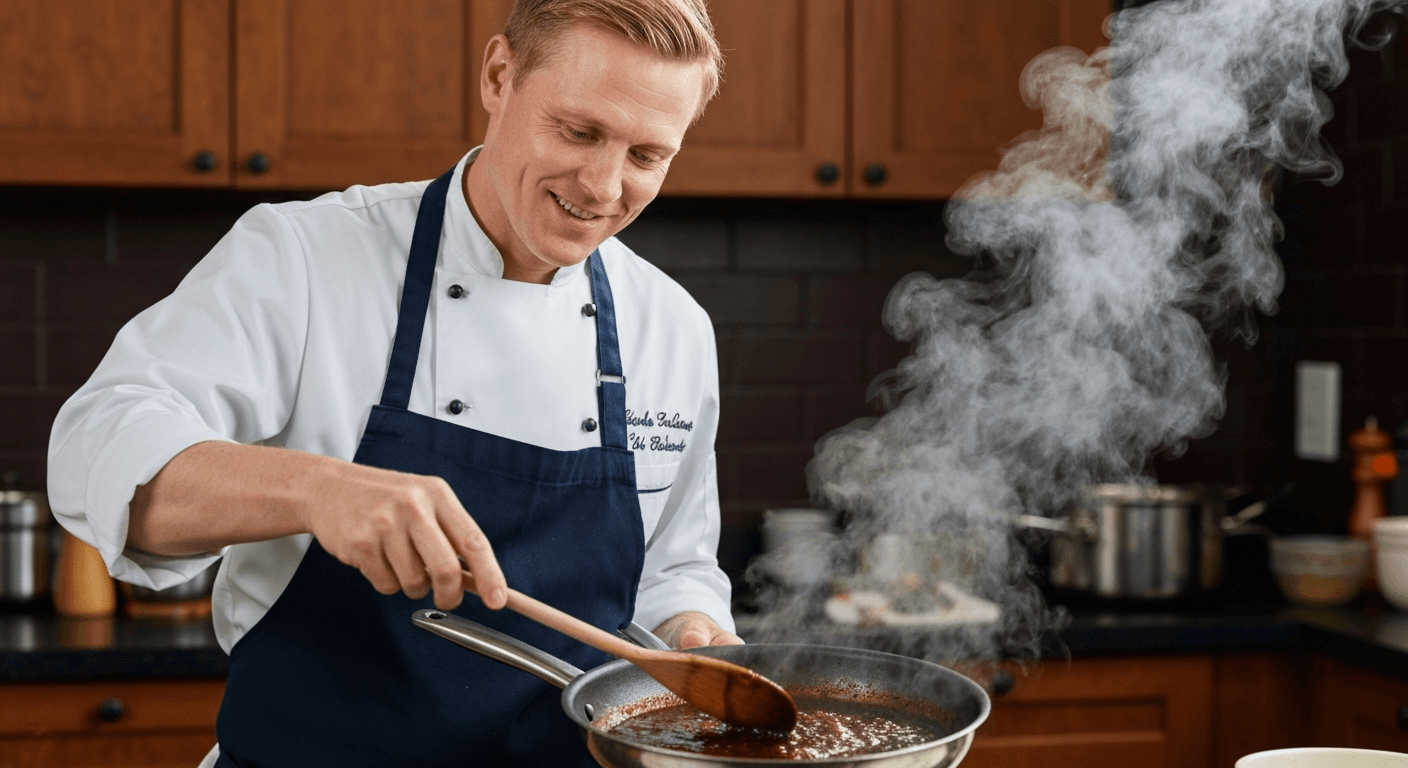
Scrape the Pan: Use a wooden spoon or spatula to scrape the bottom of the pan, loosening the browned bits of fond. Ensure you get into all the corners.
-
Simmer and Reduce: Let the liquid simmer, stirring occasionally, until it reduces to your desired consistency. This will concentrate the flavors and thicken the sauce.
-
Finish the Sauce (Optional): You can enrich the sauce by adding butter, cream, herbs, spices, or other ingredients. Taste and adjust seasonings as needed.
-
Serve: Pour the sauce over your cooked food and enjoy!
Deglazing Tips and Techniques:
- Use a sturdy pan: A heavy-bottomed pan will distribute heat evenly and prevent scorching.
- Don't overcrowd the pan: Overcrowding can prevent proper browning and reduce the amount of fond.
- Use the right tool: A wooden spoon or spatula is ideal for scraping the pan without damaging the surface.
- Control the heat: Adjust the heat as needed to prevent burning or excessive evaporation.
- Taste as you go: Season the sauce to your liking and adjust the consistency as needed.
Common Deglazing Mistakes (and How to Avoid Them)
Even though deglazing is a simple technique, it's easy to make mistakes. Here are some common pitfalls and how to avoid them:
-
Burning the Fond: If the heat is too high, the fond can burn, resulting in a bitter flavor. Lower the heat and add the liquid before the fond gets too dark.
-
Using Too Much Liquid: Adding too much liquid can dilute the flavor of the sauce. Start with a small amount and add more as needed.
-
Not Scraping Thoroughly: If you don't scrape the pan properly, you'll leave valuable flavor behind. Use a sturdy utensil and be sure to get into all the corners.
-
Over-Reducing the Sauce: Over-reducing can result in a thick, sticky sauce. Watch the sauce carefully and remove it from the heat when it reaches your desired consistency.
-
Using a Reactive Pan: Avoid using aluminum or copper pans, as they can react with acidic ingredients like wine or vinegar, imparting a metallic taste.
Recipe Ideas Using Deglazing
Here are a few recipe ideas to inspire your deglazing adventures:
-
Pan-Seared Steak with Red Wine Reduction: Sear a steak to perfection, then deglaze the pan with red wine, beef broth, and a touch of balsamic vinegar. Finish with butter and fresh thyme.
-
Chicken with Lemon-Garlic Sauce: Sauté chicken breasts until golden brown, then deglaze the pan with chicken broth, lemon juice, garlic, and a pinch of red pepper flakes. Garnish with parsley.
-
Pork Chops with Apple Cider Glaze: Sear pork chops until cooked through, then deglaze the pan with apple cider, apple cider vinegar, and a spoonful of Dijon mustard. Reduce until thickened and glossy.
-
Roasted Vegetables with Balsamic Glaze: Roast your favorite vegetables, then deglaze the pan with balsamic vinegar and a drizzle of honey. Toss the vegetables in the glaze for a sweet and tangy side dish.
-
Mushroom Gravy: Sauté mushrooms with shallots and garlic, then deglaze the pan with vegetable broth and a splash of dry sherry. Thicken with a cornstarch slurry and season with herbs.
Advanced Deglazing Techniques
Once you've mastered the basics, you can explore more advanced deglazing techniques to further enhance your sauces:
-
Adding Aromatics: Sauté aromatics like onions, garlic, shallots, or herbs in the pan before deglazing to build another layer of flavor.
-
Using Multiple Liquids: Combine different liquids to create complex and nuanced flavor profiles. For example, you could use wine and broth, or vinegar and juice.
-
Creating a Roux: Make a roux (a mixture of butter and flour) in the pan after deglazing to thicken the sauce and add richness.
-
Infusing Oils: Infuse the deglazing liquid with herbs or spices to add aromatic depth.
Deglazing: A Culinary Game Changer
Deglazing is a simple yet powerful technique that can transform your cooking. By capturing the rich flavors of the fond, you can create delicious sauces, gravies, and pan reductions that will impress your family and friends. So, the next time you're cooking, don't throw away those browned bits – deglaze your pan and unlock a world of flavor!
With a little practice, you'll be deglazing like a pro in no time. Happy cooking!