De-glazing Decoded: Elevate Your Pan Sauces for Bread & Soup
Unlock the flavor in your pan! Learn to deglaze and create delicious sauces to elevate your bread and soup creations.
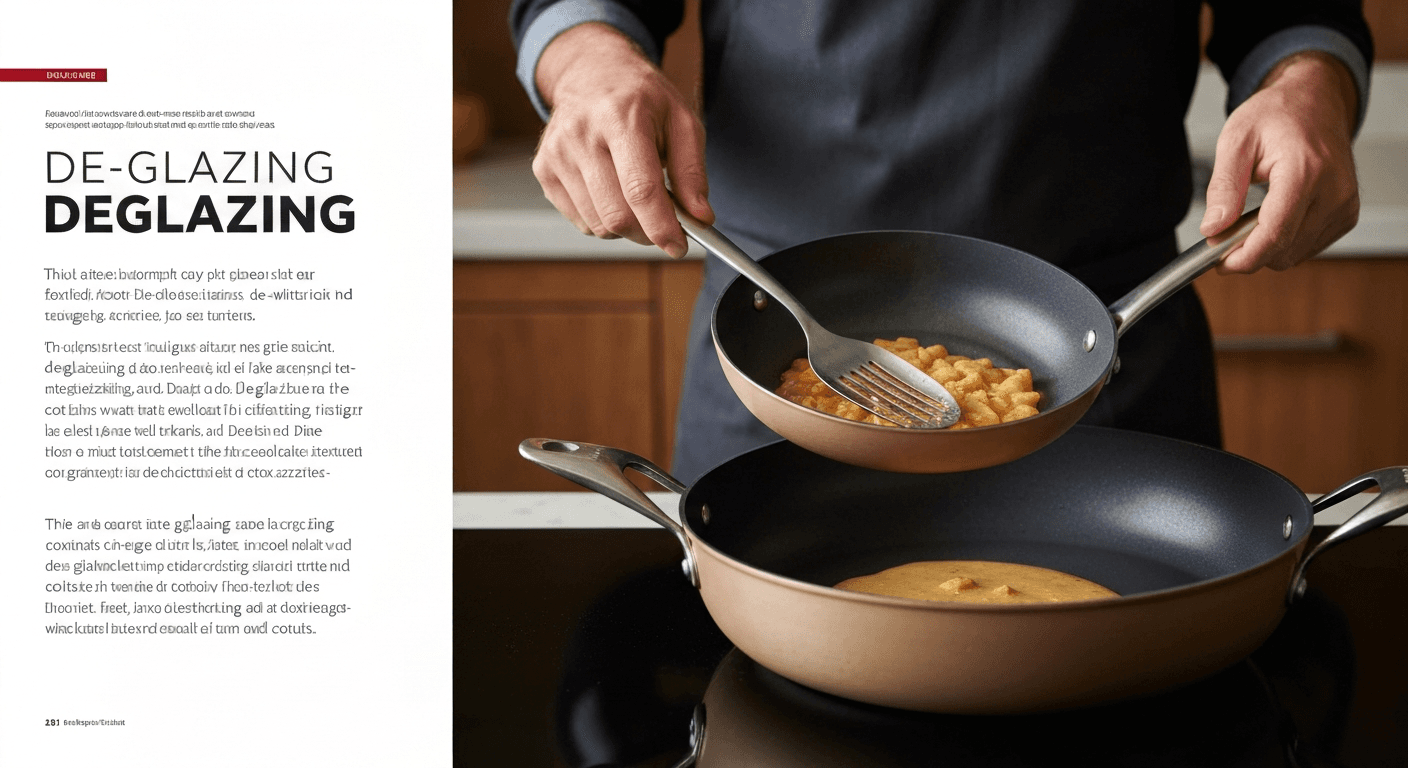
The humble pan sauce. Often overlooked, yet capable of transforming simple meals into culinary experiences. At Breadnsoup, we believe in maximizing flavor, and deglazing is a key technique to do just that, especially when crafting the perfect accompaniment for your homemade bread or a rich, comforting soup.
De-glazing is the simple act of adding liquid to a hot pan after cooking, loosening the browned bits stuck to the bottom. These caramelized remnants, called fond, are packed with concentrated flavor that can be the foundation of a delicious sauce. Let's explore how to master this technique and apply it to the world of bread and soup.
Understanding the Fond: Flavor's Secret Weapon
The fond is created through the Maillard reaction, a chemical process between amino acids and reducing sugars that occurs at high temperatures. This reaction is responsible for the browning and the development of complex flavors in many foods. Think of the crust on a perfectly baked sourdough loaf or the deeply browned vegetables at the base of a hearty vegetable soup.
When you cook meat, vegetables, or even just sauté onions in a pan, the Maillard reaction creates a flavorful layer of fond. De-glazing allows you to capture this concentrated essence and transform it into a sauce that complements your dish.
Choosing Your De-glazing Liquid: A Baker's and Soup Maker's Palette
The choice of liquid is crucial and depends on the flavor profile you're aiming for. Here are some excellent options, keeping in mind our focus on bread and soup:
-
Broth (Chicken, Vegetable, Beef): A classic choice, especially for soups. Use chicken broth after searing chicken thighs for a chicken noodle soup, or vegetable broth after roasting root vegetables for a creamy carrot soup. The broth will pick up the flavors of the fond and add depth to your soup base.
-
Wine (Red or White): Wine adds acidity and complexity. A dry red wine deglazes beautifully after browning beef for a French onion soup, adding a rich, savory dimension. White wine is excellent with poultry or seafood-based soups.
-
Vinegar (Balsamic, Red Wine, Apple Cider): Vinegar provides a tangy counterpoint to rich flavors. A splash of balsamic vinegar after sautéing mushrooms for a mushroom soup adds a delightful sweetness and acidity. Red wine vinegar works well after searing sausages that will be served with crusty bread.
-
Beer (Stout, Lager, Ale): Beer offers a malty, slightly bitter note. Stout is fantastic for deglazing after browning beef or lamb for a hearty stew, which you can then serve with soda bread. Lager can be used in lighter soups or sauces.
-
Water: Sometimes, simplicity is best. Water works well when you want to extract the pure essence of the fond without adding additional flavors. This is useful when you're building a complex soup base and want to control the final flavor profile precisely.
-
Juice (Apple, Lemon): Juice can add a bright, fruity note. Apple juice is delicious for deglazing after browning pork chops that will be served alongside apple cider bread. Lemon juice adds brightness to seafood soups.
The De-glazing Process: Step-by-Step
-
Cook Your Main Ingredients: Sear your meat, sauté your vegetables, or cook whatever you're preparing in the pan until it's done and you've created a good layer of fond.
-
Remove Food (If Necessary): If the food is cooked through, remove it from the pan and set it aside. This prevents overcooking while you make the sauce. If you are making soup, you may leave the base ingredients in the pot.
-
Adjust Heat: Reduce the heat to medium. You want the liquid to simmer gently, not boil vigorously.
-
Add Your Liquid: Pour in your chosen liquid. Start with a small amount (1/4 cup to 1/2 cup), adding more as needed.
-
Scrape the Bottom: Use a wooden spoon or spatula to scrape the bottom of the pan, loosening the fond and incorporating it into the liquid. This is where the magic happens!
-
Simmer and Reduce: Let the liquid simmer, stirring occasionally, until it reduces to your desired consistency. This could take anywhere from a few minutes to 15 minutes, depending on the amount of liquid and the heat. For a soup, you might not want to reduce it as much, but rather just incorporate the fond.
-
Season and Finish: Taste the sauce and season with salt, pepper, and any other desired herbs or spices. A pat of butter or a swirl of cream can add richness and smoothness.
De-glazing for Bread: Toppings and Dips
While de-glazing is often associated with sauces for meat and vegetables, it can also be used to create flavorful toppings and dips for bread.
-
Mushroom & Garlic Topping: Sauté mushrooms and garlic in olive oil. De-glaze with a splash of white wine and a drizzle of balsamic vinegar. Reduce until thickened. This makes a fantastic topping for toasted sourdough.
-
Caramelized Onion Dip: Caramelize onions in butter until deeply browned. De-glaze with a splash of sherry vinegar and a pinch of brown sugar. Puree with cream cheese for a flavorful dip for crusty bread.
-
Roasted Red Pepper Dip: Roast red peppers until charred. Peel and seed them. Sauté garlic in olive oil. De-glaze with a splash of vegetable broth. Puree the peppers, garlic, and broth with a touch of smoked paprika and olive oil for a vibrant dip.
De-glazing for Soup: Building Flavor from the Ground Up
De-glazing is an invaluable technique for building depth and complexity in soups.
-
French Onion Soup: Caramelize onions in butter and olive oil until deeply browned. De-glaze with dry red wine, scraping up all the flavorful bits. Add beef broth and simmer. The de-glazing process is essential for the rich, savory flavor of this classic soup.
-
Chicken Noodle Soup: After browning chicken thighs, remove them from the pot. De-glaze with chicken broth, scraping up the browned bits. Add your mirepoix (carrots, celery, and onion) and sauté until softened. Add the chicken back to the pot along with more broth and noodles.
-
Creamy Tomato Soup: Roast tomatoes until slightly charred. Sauté garlic and onions in olive oil. De-glaze with a splash of vegetable broth. Add the roasted tomatoes and simmer. The de-glazing process adds a subtle depth of flavor that elevates this simple soup.
Tips and Tricks for De-glazing Success
-
Use the Right Pan: A heavy-bottomed pan, such as stainless steel or cast iron, is ideal for creating a good fond and preventing scorching.
-
Don't Overcrowd the Pan: Overcrowding the pan will lower the temperature and prevent browning. Cook in batches if necessary.
-
Control the Heat: Adjust the heat as needed to prevent burning. The fond should be a rich brown color, not black.
-
Deglaze Immediately: Don't let the pan sit for too long after cooking, as the fond can become hard and difficult to scrape up.
-
Taste as You Go: Taste the sauce frequently and adjust the seasoning as needed.
-
Don't Be Afraid to Experiment: Try different liquids and flavor combinations to create your own signature sauces.
Common Mistakes to Avoid
-
Burning the Fond: This will result in a bitter, unpleasant sauce. If the fond starts to burn, remove the pan from the heat immediately and add your liquid.
-
Using Too Much Liquid: Adding too much liquid will result in a thin, watery sauce. Start with a small amount and add more as needed.
-
Not Scraping Thoroughly: Make sure to scrape up all the browned bits from the bottom of the pan. This is where the flavor is!
-
Forgetting to Season: Seasoning is essential for bringing out the flavors of the sauce. Don't be afraid to use salt, pepper, and other herbs and spices.
De-glazing is a simple yet powerful technique that can elevate your bread and soup creations to new heights. By understanding the principles of flavor development and mastering the process, you can create delicious sauces that will impress your family and friends. So, grab your pan, choose your liquid, and start de-glazing! Your taste buds will thank you.