Confit Confidence: Unlock Slow-Cooked Perfection
Master the art of confit! Slow-cook ingredients in fat for incredible flavor and tenderness. Duck, garlic, and beyond!
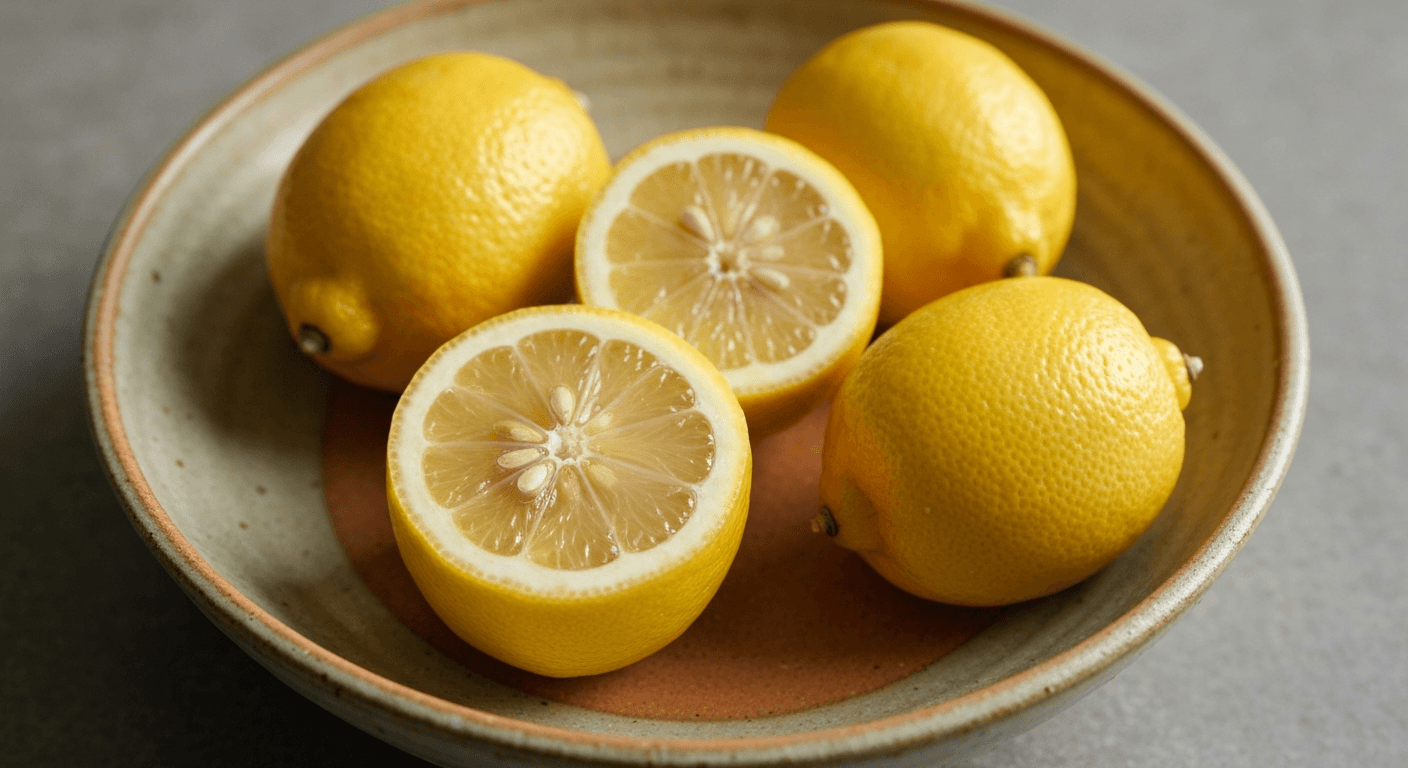
Confit. The very word evokes images of rich, succulent duck legs, meltingly tender garlic cloves, and an almost decadent cooking process. But confit is more than just a fancy French technique; it's a preservation method, a flavor enhancer, and a pathway to culinary excellence that's surprisingly accessible. Let's dive into the world of confit and unlock its secrets.
What is Confit?
At its core, confit (pronounced kon-FEE) is a method of preserving food by cooking it slowly in fat. Traditionally, this was done to preserve meats, especially during colder months when refrigeration wasn't an option. The fat acts as a barrier against bacteria, extending the shelf life of the ingredient.
Beyond preservation, confit transforms the texture and flavor of ingredients. Slow cooking in fat breaks down tough connective tissues, resulting in incredibly tender results. The fat also infuses the ingredient with rich, savory flavor, creating a truly unforgettable culinary experience.
The History of Confit
The origins of confit can be traced back to pre-refrigeration days in France, particularly in the Gascony region. Duck and goose were abundant, and confit was a way to preserve these meats for consumption throughout the year. The process allowed families to enjoy rich, flavorful meals even when fresh meat wasn't readily available.
Over time, confit evolved from a simple preservation technique to a culinary art form. Chefs began experimenting with different ingredients and flavor combinations, expanding the possibilities of confit beyond just duck and goose.
The Science Behind Confit
The magic of confit lies in the slow, gentle cooking process. When an ingredient is submerged in fat and cooked at a low temperature, several things happen:
-
Breakdown of Connective Tissue: The collagen in tough cuts of meat breaks down, resulting in a tender, almost melt-in-your-mouth texture.
-
Moisture Retention: The fat acts as a barrier, preventing moisture from escaping. This keeps the ingredient incredibly juicy and succulent.
-
Flavor Infusion: The fat absorbs the flavors of the ingredient, and vice versa. This creates a deep, complex flavor profile that is impossible to achieve with other cooking methods.
-
Enzyme Deactivation: The low heat deactivates enzymes that can cause spoilage, contributing to the preservation aspect of confit.
Confit Essentials: Ingredients and Equipment
To embark on your confit journey, you'll need a few key ingredients and pieces of equipment:
-
The Ingredient: While duck and garlic are the most common choices, you can confit a variety of ingredients, including chicken, pork, vegetables (like tomatoes and peppers), and even fruits.
-
Fat: The type of fat you use will impact the flavor of the final product. Duck fat is traditional for duck confit, while olive oil is a great choice for garlic and vegetables. Other options include rendered chicken fat, lard, and even coconut oil for certain applications.
-
Salt: Salt is crucial for both flavor and preservation. It helps to draw out moisture and inhibit bacterial growth. Use kosher salt or sea salt for the best results.
-
Aromatics: Herbs, spices, and other aromatics add depth and complexity to the confit. Common choices include garlic, thyme, bay leaves, peppercorns, and rosemary.
-
Heavy-Bottomed Pot or Dutch Oven: A heavy-bottomed pot or Dutch oven is essential for even heat distribution and preventing scorching.
-
Oven: While confit can be done on the stovetop, using the oven provides more consistent temperature control.
-
Thermometer: An oven thermometer is crucial for maintaining the correct cooking temperature.
-
Storage Containers: Sterilized jars or airtight containers are needed for storing the confit.
Confit Techniques: A Step-by-Step Guide
Let's explore the basic confit technique, using duck legs as an example:
Duck Confit Recipe
Ingredients:
-
4 duck legs
-
2 tablespoons kosher salt
-
1 teaspoon black peppercorns, crushed
-
4 cloves garlic, smashed
-
2 sprigs fresh thyme
-
2 bay leaves
-
Duck fat, enough to cover the duck legs (approximately 4-6 cups)
Instructions:
-
Cure the Duck Legs: In a bowl, combine the salt, peppercorns, garlic, thyme, and bay leaves. Rub the mixture all over the duck legs, ensuring they are well coated. Place the duck legs in a resealable bag or container, and refrigerate for at least 24 hours, or up to 72 hours. This curing process helps to draw out moisture and flavor the duck.
-
Rinse and Dry: Remove the duck legs from the refrigerator and rinse them thoroughly under cold water to remove the salt mixture. Pat the duck legs completely dry with paper towels. This step is crucial for achieving crispy skin later on.
-
Melt the Duck Fat: In a heavy-bottomed pot or Dutch oven, melt the duck fat over low heat. Be careful not to overheat the fat. The ideal temperature is around 200-225°F (93-107°C).
-
Submerge the Duck Legs: Gently place the duck legs in the melted duck fat, ensuring they are completely submerged. If necessary, add more duck fat to cover them.
-
Confit in the Oven: Place the pot in a preheated oven at 225°F (107°C). Cook for 3-4 hours, or until the duck legs are incredibly tender and the meat is easily pulled from the bone.
-
Check for Doneness: To check for doneness, insert a fork into the thickest part of the duck leg. The meat should be very tender and easily pull away from the bone.
-
Cool and Store: Remove the pot from the oven and let the duck legs cool completely in the fat. Once cooled, transfer the duck legs and fat to sterilized jars or airtight containers. Ensure the duck legs are completely submerged in the fat.
-
Refrigerate: Store the confit in the refrigerator for up to several weeks. The fat will solidify in the refrigerator, creating a protective barrier.
Serving Duck Confit:
To serve duck confit, gently remove a duck leg from the jar and scrape off any excess fat. You can pan-fry the duck leg skin-side down until crispy, or broil it in the oven for a few minutes. Serve with potatoes, vegetables, or a simple salad.
Garlic Confit Recipe
Garlic confit is another popular and versatile option. The slow cooking process mellows the garlic's sharp flavor, creating a sweet, nutty, and incredibly spreadable condiment.
Ingredients:
-
1 head of garlic, cloves separated and peeled
-
1 cup olive oil
-
Pinch of salt
-
Sprig of fresh thyme (optional)
-
Bay leaf (optional)
Instructions:
-
Combine Ingredients: In a small saucepan, combine the garlic cloves, olive oil, salt, thyme (if using), and bay leaf (if using).
-
Simmer Gently: Place the saucepan over low heat and simmer gently for 1-2 hours, or until the garlic cloves are very soft and golden brown. The oil should be gently bubbling, but not frying.
-
Cool and Store: Remove the saucepan from the heat and let the garlic cloves cool completely in the oil. Once cooled, transfer the garlic cloves and oil to a sterilized jar or airtight container.
-
Refrigerate: Store the confit in the refrigerator for up to several weeks.
Serving Garlic Confit:
Garlic confit can be used in a variety of ways. Spread it on bread, add it to pasta sauces, use it as a pizza topping, or blend it into dips and dressings. The possibilities are endless!
Tips for Confit Success
-
Use High-Quality Fat: The quality of the fat will directly impact the flavor of the confit. Choose duck fat from a reputable source, or use a good-quality olive oil for vegetable confit.
-
Maintain a Low Temperature: The key to successful confit is to cook the ingredients slowly at a low temperature. This prevents the fat from overheating and ensures that the ingredients cook evenly.
-
Ensure Complete Submersion: Make sure the ingredients are completely submerged in the fat. This will prevent them from drying out and ensure proper preservation.
-
Don't Overcrowd the Pot: Avoid overcrowding the pot, as this can lower the temperature of the fat and result in uneven cooking.
-
Sterilize Jars for Long-Term Storage: If you plan to store the confit for an extended period, sterilize the jars before filling them. This will help to prevent spoilage.
Common Confit Mistakes and How to Avoid Them
-
Overheating the Fat: Overheating the fat can result in a burnt or bitter flavor. Use a thermometer to monitor the temperature and adjust the heat as needed.
-
Using Too Much Salt: Using too much salt can result in an overly salty confit. Start with a small amount of salt and adjust to taste.
-
Not Drying the Ingredients Thoroughly: If the ingredients are not dried thoroughly before being submerged in the fat, they may release moisture, which can cause the fat to splatter and make the confit greasy.
-
Storing the Confit Improperly: Storing the confit improperly can lead to spoilage. Ensure that the ingredients are completely submerged in the fat and stored in sterilized jars or airtight containers in the refrigerator.
Beyond Duck and Garlic: Expanding Your Confit Repertoire
While duck and garlic are classic confit choices, don't be afraid to experiment with other ingredients. Chicken legs, pork belly, tomatoes, peppers, and even fruits like figs and apricots can all be successfully confited. The key is to choose ingredients that benefit from slow cooking in fat and to adjust the cooking time accordingly.
Confit is a versatile and rewarding cooking technique that can elevate your culinary skills. With a little practice and patience, you can unlock the secrets of slow-cooked perfection and create dishes that are both delicious and impressive. So, embrace the art of confit and let your culinary creativity soar!