Charred Perfection: Elevating Vegetables with Intense Heat
Unlock smoky, savory flavor! Master the art of charring vegetables using grilling, broiling, and direct flame for culinary magic.
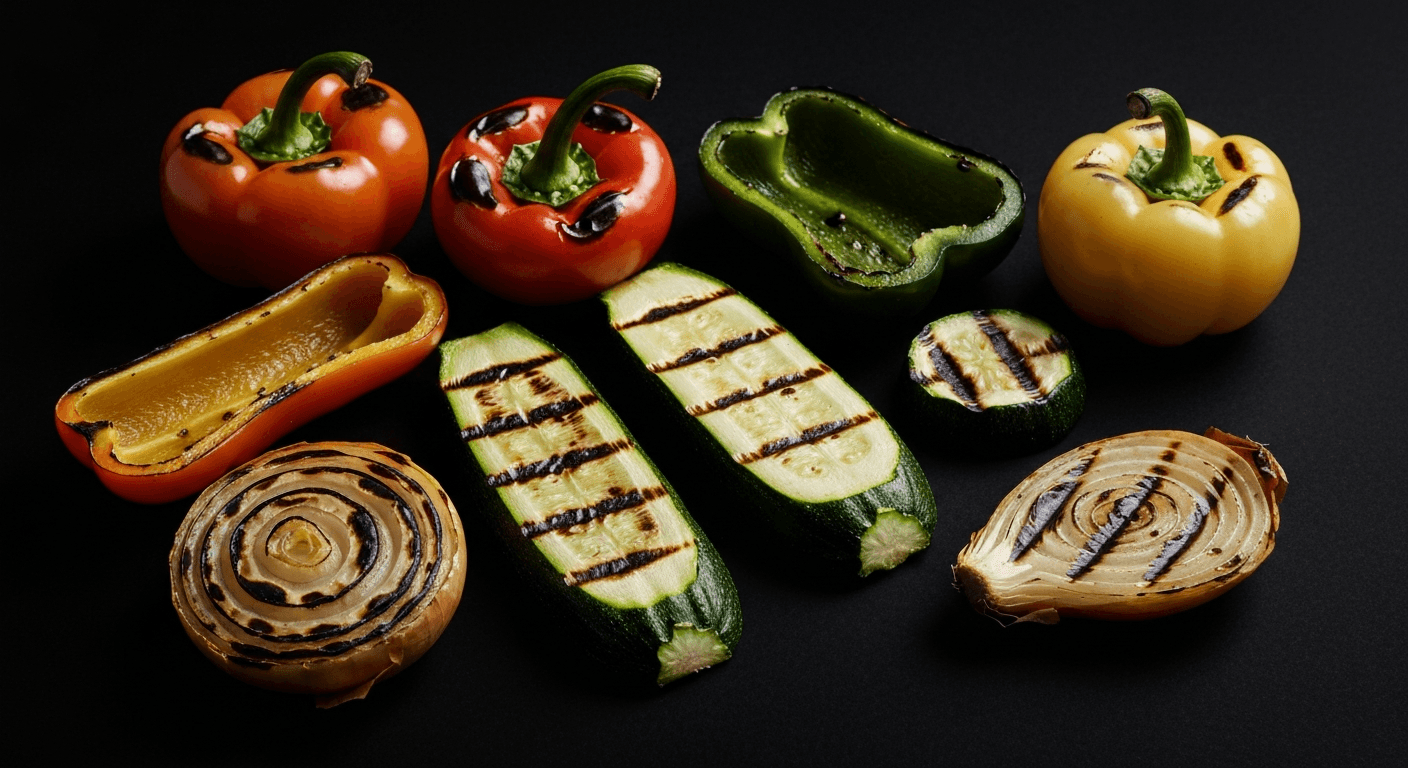
Charred Perfection: Elevating Vegetables with Intense Heat
Charring vegetables is more than just cooking; it's a culinary transformation. The intense heat coaxes out natural sugars, creating a delightful caramelized crust and a smoky depth of flavor that elevates even the simplest vegetables to new heights.
This article will explore the art of charring, covering techniques like grilling, broiling, and direct flame cooking. We'll delve into how to achieve the perfect balance of smoky flavor and tender texture, providing practical tips and inspiring recipes to ignite your culinary creativity.
The Magic of Charring: Why It Works
At its core, charring is a form of high-heat cooking. The intense heat causes the Maillard reaction, a chemical process between amino acids and reducing sugars that creates hundreds of new flavor compounds. This is what gives charred vegetables their characteristic savory, umami-rich taste.
Simultaneously, the heat caramelizes the natural sugars in the vegetables, adding sweetness and depth. The slightly burnt edges contribute a pleasant bitterness that balances the sweetness and savory notes, creating a complex and satisfying flavor profile.
Beyond flavor, charring also affects texture. The exterior becomes beautifully crisp and slightly blackened, while the interior remains tender and juicy.
Techniques for Charred Vegetable Perfection
There are several ways to achieve perfectly charred vegetables, each with its own nuances and advantages.
1. Grilling: The Smoky Classic
Grilling is perhaps the most iconic method for charring vegetables. The direct heat from the grill grates creates beautiful char marks and infuses the vegetables with a distinct smoky flavor.
Step-by-Step Guide to Grilling Vegetables:
-
Prepare the Grill: Preheat your grill to medium-high heat (around 400-450°F). Clean the grates thoroughly and lightly oil them to prevent sticking.
-
Prepare the Vegetables: Wash and dry your vegetables. Cut them into uniform sizes to ensure even cooking. For denser vegetables like potatoes or carrots, consider parboiling them briefly before grilling to shorten the cooking time.
-
Season the Vegetables: Toss the vegetables with olive oil, salt, pepper, and any other desired seasonings (garlic powder, herbs, spices). A little acid, like lemon juice or balsamic vinegar, can also enhance the flavor.
-
Grill the Vegetables: Place the vegetables directly on the grill grates. Avoid overcrowding the grill, as this can lower the temperature and prevent proper charring. Grill for 2-5 minutes per side, depending on the vegetable and the desired level of char. Rotate the vegetables to create even grill marks.
-
Check for Doneness: The vegetables should be tender-crisp and have visible char marks. Use tongs to test for tenderness.
-
Rest and Serve: Remove the vegetables from the grill and let them rest for a few minutes before serving. This allows the juices to redistribute, resulting in a more flavorful and tender product.
Common Mistakes and Tips:
-
Mistake: Not preheating the grill sufficiently.
Tip: Ensure the grill is hot before adding the vegetables to achieve proper charring.
-
Mistake: Overcrowding the grill.
Tip: Grill in batches if necessary to maintain consistent heat.
-
Mistake: Not oiling the grates.
Tip: Lightly oil the grates to prevent sticking and ensure easy release.
-
Mistake: Overcooking the vegetables.
Tip: Monitor the vegetables closely and remove them from the grill when they are tender-crisp.
2. Broiling: Indoor Charring Made Easy
Broiling offers a convenient way to char vegetables indoors. The intense heat from the broiler mimics the effect of grilling, creating a similar caramelized crust and smoky flavor.
Step-by-Step Guide to Broiling Vegetables:
-
Prepare the Oven: Position the oven rack about 4-6 inches below the broiler. Preheat the broiler to high.
-
Prepare the Vegetables: Wash, dry, and cut the vegetables into uniform sizes. Line a baking sheet with aluminum foil or parchment paper.
-
Season the Vegetables: Toss the vegetables with olive oil, salt, pepper, and any other desired seasonings.
-
Broil the Vegetables: Spread the vegetables in a single layer on the prepared baking sheet. Broil for 3-5 minutes per side, or until they are tender-crisp and have visible char marks. Monitor the vegetables closely to prevent burning.
-
Rest and Serve: Remove the vegetables from the oven and let them rest for a few minutes before serving.
Common Mistakes and Tips:
-
Mistake: Placing the vegetables too close to the broiler.
Tip: Adjust the oven rack position to prevent burning.
-
Mistake: Not using a baking sheet liner.
Tip: Line the baking sheet with foil or parchment paper for easy cleanup.
-
Mistake: Overcooking the vegetables.
Tip: Broil in shorter intervals and check for doneness frequently.
3. Direct Flame Cooking: Embracing the Blaze
Direct flame cooking involves holding vegetables directly over an open flame, such as a gas stovetop burner or a campfire. This technique imparts a unique smoky flavor and a slightly charred exterior.
Step-by-Step Guide to Direct Flame Cooking Vegetables:
-
Prepare the Vegetables: Choose vegetables that can withstand direct heat, such as bell peppers, onions, or eggplant. Pierce the vegetables with a fork to allow steam to escape.
-
Prepare the Flame: Turn on a gas stovetop burner to medium-high heat or prepare a campfire with hot embers.
-
Char the Vegetables: Using tongs, hold the vegetables directly over the flame, rotating them frequently to ensure even charring. The skin will blacken and blister.
-
Steam the Vegetables: Once the vegetables are charred, place them in a bowl and cover them with plastic wrap or a lid. This will steam the vegetables and loosen the skin.
-
Peel and Use: After a few minutes, remove the vegetables from the bowl and peel off the charred skin. The flesh inside will be tender and smoky.
Common Mistakes and Tips:
-
Mistake: Not piercing the vegetables.
Tip: Pierce the vegetables to prevent them from exploding due to steam buildup.
-
Mistake: Holding the vegetables too close to the flame for too long.
Tip: Rotate the vegetables frequently to prevent burning.
-
Mistake: Not steaming the vegetables after charring.
Tip: Steaming makes it easier to peel off the charred skin.
Vegetable Selection and Preparation
While many vegetables benefit from charring, some are particularly well-suited for this technique. Consider these factors when selecting vegetables:
-
Firmness: Vegetables with a firm texture, such as bell peppers, onions, eggplant, zucchini, and corn, hold up well to the high heat of charring.
-
Sweetness: Vegetables with natural sugars, such as tomatoes, carrots, and sweet potatoes, caramelize beautifully when charred.
-
Moisture Content: Vegetables with high moisture content, such as mushrooms and leafy greens, can be charred quickly but require careful attention to prevent them from becoming soggy.
Preparation Tips:
-
Wash and Dry: Always wash and dry your vegetables thoroughly before charring.
-
Cut Uniformly: Cut the vegetables into uniform sizes to ensure even cooking.
-
Parboil (Optional): For denser vegetables like potatoes or carrots, consider parboiling them briefly before charring to shorten the cooking time.
-
Season Generously: Don't be afraid to season your vegetables generously with olive oil, salt, pepper, and other desired seasonings.
Charred Vegetable Recipes to Ignite Your Inspiration
Here are a few recipe ideas to get you started on your charred vegetable journey:
1. Charred Corn Salad with Chipotle-Lime Dressing
Grill or broil corn on the cob until lightly charred. Cut the kernels off the cob and toss with diced red onion, bell pepper, black beans, cilantro, and a chipotle-lime dressing. Serve as a side dish or a topping for tacos.
2. Charred Eggplant Dip (Baba Ghanoush)
Direct flame cook eggplant until the skin is blackened and blistered. Peel off the skin and mash the flesh with tahini, lemon juice, garlic, and olive oil. Season with salt and pepper. Serve with pita bread or vegetables.
3. Charred Broccoli with Lemon and Parmesan
Broil or grill broccoli florets until tender-crisp and lightly charred. Toss with lemon juice, grated Parmesan cheese, and red pepper flakes. Serve as a simple and flavorful side dish.
4. Charred Tomato and Pepper Sauce
Direct flame cook tomatoes and bell peppers until the skins are blackened. Peel off the skins and blend the vegetables with garlic, onion, olive oil, and herbs. Simmer until thickened. Use as a sauce for pasta, pizza, or grilled meats.
Sauces and Accompaniments to Complement Charred Vegetables
Charred vegetables pair well with a variety of sauces and accompaniments that enhance their smoky flavor.
-
Chimichurri: A vibrant Argentinian sauce made with parsley, garlic, oregano, red wine vinegar, and olive oil.
-
Pesto: A classic Italian sauce made with basil, pine nuts, garlic, Parmesan cheese, and olive oil.
-
Yogurt Sauce: A refreshing sauce made with Greek yogurt, lemon juice, garlic, and herbs.
-
Tahini Sauce: A creamy sauce made with tahini, lemon juice, garlic, and water.
-
Salsa Verde: A bright and herbaceous sauce made with parsley, capers, anchovies, garlic, and olive oil.
Conclusion: Embrace the Char
Charring vegetables is a simple yet transformative technique that can elevate your cooking to new heights. By mastering the art of grilling, broiling, and direct flame cooking, you can unlock a world of smoky, savory flavors and create unforgettable dishes. So, fire up your grill or broiler, embrace the char, and let your culinary creativity soar!