Cast Iron Mastery: Seasoning, Care, and Repair for a Lifetime
Unlock the secrets to a perfectly seasoned cast iron skillet. From initial seasoning to rust repair, master cast iron care!
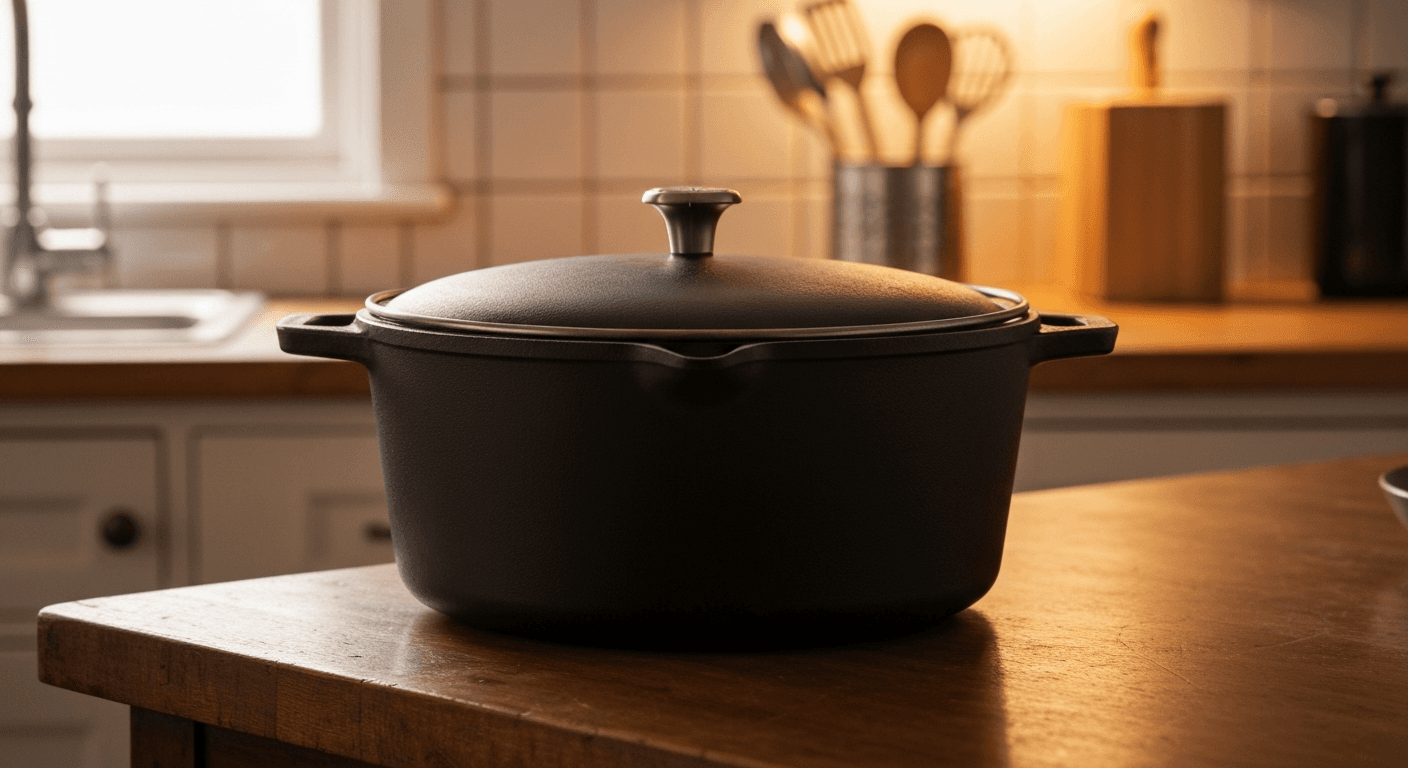
Seasoned to Perfection: Mastering Cast Iron Care for a Lifetime of Cooking
Cast iron skillets are kitchen workhorses, prized for their durability, heat retention, and versatility. A well-seasoned cast iron pan can last for generations, becoming a cherished family heirloom. But to achieve this longevity and optimal performance, proper care is essential. This guide will walk you through everything you need to know about seasoning, cleaning, maintaining, and even repairing your cast iron, ensuring years of delicious meals to come.
Why Cast Iron?
Before diving into the care specifics, let's appreciate why cast iron is so beloved. Its superior heat retention allows for even cooking, preventing hot spots and making it ideal for searing, baking, and frying. Cast iron can withstand extremely high temperatures, making it perfect for stovetop-to-oven dishes. Plus, with proper seasoning, it develops a naturally non-stick surface.
The Science of Seasoning
Seasoning isn't just about coating your pan with oil; it's about polymerization. This process involves heating oil to a point where it transforms into a hard, plastic-like coating that bonds to the iron. This creates a smooth, non-stick surface and protects the pan from rust. The more layers of seasoning, the better the pan performs.
Initial Seasoning: Building the Foundation
New cast iron skillets, and those that have been stripped of their seasoning, require an initial seasoning process. This establishes the base layers for future use.
Step-by-Step Guide to Initial Seasoning:
-
Clean the Pan: Wash the pan with hot, soapy water. This is the only time you'll use soap for regular cleaning. Rinse thoroughly and dry completely.
-
Apply a Thin Layer of Oil: Use a high smoke-point oil like canola, grapeseed, or flaxseed oil. Pour a small amount into the pan and use a clean cloth or paper towel to rub it into every nook and cranny, inside and out. It's crucial to use a very thin layer. Think of it as wiping the oil off, not on.
-
Bake the Pan: Place the pan upside down on the middle rack of your oven. Place a baking sheet on the rack below to catch any drips. Bake at 450-500°F (232-260°C) for one hour.
-
Cool Down: Turn off the oven and let the pan cool completely inside. This gradual cooling helps the oil polymerize properly.
-
Repeat: Repeat steps 2-4 at least 3-4 times to build a solid base of seasoning. The more layers, the better.
Common Mistakes to Avoid:
-
Using too much oil: This results in a sticky, gummy finish.
-
Not wiping off excess oil: See above!
-
Not heating to a high enough temperature: The oil needs to reach its smoke point to polymerize.
-
Skipping steps: Each step is crucial for a successful seasoning.
Tips for Optimal Seasoning:
-
Flaxseed Oil: Flaxseed oil used to be the darling of cast iron seasoning. While it creates a beautiful initial shine, it can be prone to flaking. Consider using a blend of flaxseed and another high smoke point oil, or stick to canola or grapeseed.
-
Oven Temperature: Monitor your oven temperature with an oven thermometer to ensure accuracy.
-
Patience is Key: Building a good seasoning takes time and effort. Don't rush the process.
Daily Cleaning and Maintenance: Keeping it Seasoned
The key to maintaining a well-seasoned cast iron skillet is proper cleaning after each use. This doesn't involve harsh chemicals or abrasive scrubbing.
Cleaning After Cooking:
-
Remove Food Debris: While the pan is still warm (but not hot!), scrape out any remaining food particles with a spatula or scraper. A chainmail scrubber can be helpful for stubborn bits.
-
Rinse with Hot Water: Rinse the pan with hot water. Avoid using soap unless absolutely necessary (e.g., after cooking fish).
-
Dry Thoroughly: Immediately dry the pan with a clean towel. Don't let it air dry, as this can lead to rust.
-
Apply a Thin Layer of Oil: Place the pan on the stovetop over low heat. Add a teaspoon of oil and rub it into the pan with a clean cloth or paper towel. Again, wipe off any excess oil.
-
Heat Until Smoking: Continue heating the pan until it just starts to smoke. This helps the oil polymerize and maintain the seasoning.
-
Cool and Store: Let the pan cool completely before storing it in a dry place.
Why Avoid Soap?
Traditional soaps can strip away the seasoning on your cast iron. Modern dish soaps are often gentler, but it's still best to avoid them unless absolutely necessary. If you must use soap, use a small amount of mild dish soap and re-season the pan afterwards.
Dealing with Stuck-On Food:
-
Boiling Water: Add a cup of water to the pan and bring it to a boil. This can help loosen stuck-on food.
-
Salt Scrub: Use a mixture of coarse salt and a little oil to gently scrub the pan.
Rust Prevention: Protecting Your Investment
Rust is the enemy of cast iron. Proper cleaning and storage are crucial for preventing it. Here's how to keep your pan rust-free:
-
Dry Thoroughly: As mentioned before, always dry your pan completely after washing.
-
Oil After Each Use: The thin layer of oil helps protect the iron from moisture.
-
Store in a Dry Place: Avoid storing your cast iron in humid environments.
-
Paper Towel Between Pans: If stacking cast iron pans, place a paper towel or cloth between them to prevent scratching and moisture buildup.
Repairing a Damaged Pan: Restoring Your Cast Iron
Even with the best care, cast iron can sometimes develop rust or lose its seasoning. Fortunately, it's usually possible to restore a damaged pan.
Removing Rust:
-
Assess the Damage: Determine the extent of the rust. Light surface rust is easier to remove than deep pitting.
-
Scrub the Rust: Use steel wool, a wire brush, or sandpaper to scrub away the rust. You may need to use a rust remover for stubborn areas.
-
Clean Thoroughly: Wash the pan with hot, soapy water to remove any remaining rust particles and debris. Rinse well and dry completely.
-
Re-Season: Follow the initial seasoning steps to rebuild the protective layer.
Dealing with a Stripped Pan:
If your pan has lost most of its seasoning, you can strip it down to the bare metal and start fresh. There are several methods for stripping cast iron:
-
Self-Cleaning Oven: Place the pan upside down in a self-cleaning oven and run a cleaning cycle. This will burn off all the old seasoning. Be aware that this can produce a lot of smoke and odor.
-
Lye Bath: Soak the pan in a solution of lye and water. This will dissolve the old seasoning. This method requires careful handling of lye, which is a corrosive chemical.
-
Electrolysis: Use an electrolysis tank to remove the seasoning. This is a more advanced method that requires specialized equipment.
After stripping the pan, thoroughly clean it and re-season it following the initial seasoning steps.
Optimizing Heat Distribution: Cooking Like a Pro
Cast iron is known for its excellent heat retention, but it can sometimes take a while to heat up evenly. Here are some tips for optimizing heat distribution:
-
Preheat Slowly: Don't crank up the heat immediately. Start with a low flame and gradually increase it.
-
Use the Right Burner Size: Match the size of your burner to the size of your pan.
-
Consider a Heat Diffuser: A heat diffuser can help distribute heat more evenly, especially on gas stoves.
-
Be Patient: Allow the pan to fully preheat before adding food. This will ensure even cooking and prevent sticking.
Cast Iron Myths and Misconceptions
There are many myths surrounding cast iron care. Let's debunk some of the most common ones:
-
Myth: You can't use soap on cast iron. As mentioned earlier, modern dish soaps are generally safe to use in small amounts. Just be sure to re-season the pan afterwards.
-
Myth: You can't cook acidic foods in cast iron. While acidic foods can potentially strip away the seasoning, cooking them occasionally is fine. Just be sure to clean and re-season the pan afterwards.
-
Myth: Cast iron is too heavy and difficult to handle. While cast iron can be heavy, its benefits outweigh the inconvenience. With practice, you'll become accustomed to handling it.
Conclusion: A Lifetime of Cooking with Cast Iron
Mastering cast iron care is an investment in a lifetime of delicious meals. By following these guidelines for seasoning, cleaning, rust prevention, and repair, you can ensure that your cast iron skillet remains a treasured part of your kitchen for generations to come. So, get cooking and enjoy the unmatched performance and versatility of this timeless cookware!