Beyond Pickles: Unlocking the Delicious World of Fruit Fermentation
Dive into the tangy world of fermented fruits! From kombucha to fruit wines, discover how to transform ordinary fruit into extraordinary treats.
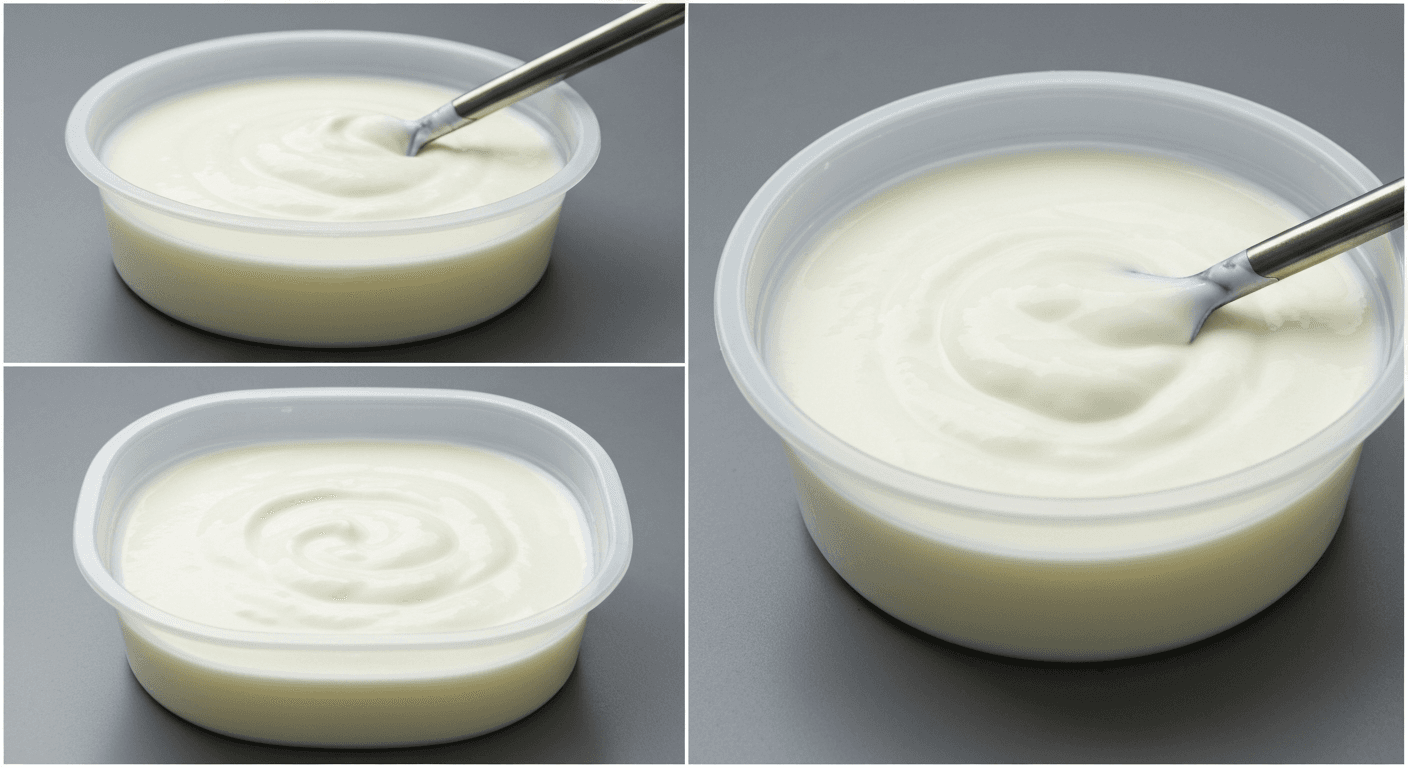
Fermentation, often associated with vegetables like pickles and sauerkraut, extends far beyond the savory realm. The sweet and tangy world of fruit fermentation offers a diverse range of delicious possibilities, from refreshing beverages to flavorful condiments. Let's explore this fascinating culinary landscape!
The Science Behind Fruit Fermentation
At its core, fermentation is a metabolic process in which microorganisms, like bacteria, yeast, and mold, convert carbohydrates (sugars) into acids, gases, or alcohol. In fruit fermentation, these microorganisms consume the natural sugars present in fruits, resulting in a transformation of flavor, texture, and nutritional profile.
This process not only preserves the fruit but also creates new and exciting flavors. The specific microorganisms involved and the environmental conditions influence the final product, leading to a wide variety of fermented fruit creations.
Essential Equipment for Fruit Fermentation
Getting started with fruit fermentation doesn't require a massive investment in specialized equipment. However, having the right tools can make the process smoother and safer.
Here's a list of essential equipment:
- Glass Jars: Wide-mouth mason jars are ideal for fermenting fruits. Ensure they are clean and sterilized before use.
- Airlocks and Lids: Airlocks allow gases produced during fermentation to escape while preventing unwanted microorganisms from entering. Lids with airlock compatibility are readily available.
- Fermentation Weights: These weights help keep the fruit submerged below the liquid level, preventing mold growth. Glass weights or food-grade plastic weights are good options.
- pH Strips: Monitoring the pH level is crucial for safety. pH strips can help you track the acidity of your ferment.
- Thermometer: Maintaining the right temperature is important for successful fermentation. A simple kitchen thermometer will suffice.
- Bottles (for Beverages): If you're making fermented fruit beverages like kombucha or fruit wine, you'll need bottles to store the finished product. Bottles designed for carbonated beverages are recommended for kombucha to withstand the pressure.
Safe Handling Practices: Preventing Spoilage and Ensuring Safety
While fermentation is a natural process, it's essential to follow safe handling practices to prevent spoilage and ensure the safety of your fermented fruits.
Here are some key guidelines:
- Sterilization: Thoroughly sterilize all equipment before use. This can be done by boiling the equipment in water for 10-15 minutes or using a dishwasher with a sanitizing cycle.
- Cleanliness: Maintain a clean working environment. Wash your hands thoroughly before handling the fruit and equipment.
- Submersion: Ensure that the fruit is always submerged below the liquid level. This prevents mold growth and ensures proper fermentation.
- Temperature Control: Fermentation is best done at a consistent temperature, typically between 65-75°F (18-24°C). Avoid extreme temperature fluctuations.
- Monitoring: Regularly check your ferment for signs of spoilage, such as mold, unusual odors, or discoloration. If you notice any of these signs, discard the ferment.
- pH Testing: Use pH strips to monitor the acidity of your ferment. A pH below 4.6 is generally considered safe for most fermented foods.
Exploring Different Types of Fruit Fermentation
The world of fruit fermentation is vast and diverse. Here are some popular types of fermented fruit products you can create at home:
- Kombucha: A fermented tea beverage made with a SCOBY (Symbiotic Culture of Bacteria and Yeast) and sweetened tea. Fruit can be added during the second fermentation to create unique flavors.
- Water Kefir: A fermented beverage made with water kefir grains and sweetened water. Fruit can be added during fermentation to enhance the flavor and sweetness.
- Fruit Wine: Wine made from fermented fruit juice. Different fruits will yield wines with different characteristics.
- Fruit Vinegar: Vinegar made from fermented fruit. This can be used in salad dressings, marinades, and other culinary applications.
- Fermented Fruit Chutneys: A flavorful condiment made with fermented fruits, spices, and vinegar.
- Lacto-Fermented Fruits: Fruits fermented using lactic acid bacteria. This results in a tangy and slightly sour flavor.
Recipes for Fermented Fruits and Beverages
Let's dive into some recipes to get you started on your fruit fermentation journey.
Recipe 1: Strawberry Kombucha (Second Fermentation)
Ingredients:
- 1 bottle of kombucha (first fermentation complete)
- 1/2 cup sliced strawberries
- 1 tablespoon sugar (optional, for extra fizz)
Instructions:
- Divide the sliced strawberries evenly between two bottles.
- Add 1/2 tablespoon of sugar to each bottle (optional).
- Pour the kombucha into the bottles, leaving about an inch of headspace.
- Seal the bottles tightly and let them ferment at room temperature for 1-3 days, burping the bottles daily to release excess pressure.
- Once the kombucha is carbonated to your liking, refrigerate to slow down fermentation.
Tips:
- Use ripe, flavorful strawberries for the best results.
- Adjust the amount of strawberries to your taste.
- Burp the bottles regularly to prevent explosions.
Recipe 2: Lacto-Fermented Blueberries
Ingredients:
- 1 pint blueberries
- 1 tablespoon sea salt
- 1 cup filtered water
Instructions:
- Dissolve the sea salt in the filtered water to create a brine.
- Place the blueberries in a clean glass jar.
- Pour the brine over the blueberries, ensuring they are completely submerged.
- Place a fermentation weight on top to keep the blueberries submerged.
- Cover the jar with an airlock and lid.
- Let the blueberries ferment at room temperature for 3-7 days, or until they reach your desired level of tanginess.
- Taste the blueberries daily and refrigerate when they are ready.
Tips:
- Use organic blueberries for the best flavor and to avoid pesticides.
- Adjust the amount of salt to your taste.
- If mold appears, discard the entire batch.
Recipe 3: Pineapple Vinegar
Ingredients:
- Pineapple scraps (peel, core, ends)
- 1/2 cup sugar
- Water to cover
Instructions:
- Place the pineapple scraps in a clean glass jar.
- Dissolve the sugar in enough water to cover the pineapple scraps.
- Pour the sugar water over the pineapple, ensuring everything is submerged.
- Cover the jar with cheesecloth secured with a rubber band (to allow air flow but keep out fruit flies).
- Let it ferment at room temperature, stirring occasionally, for several weeks or even months. You'll first see alcoholic fermentation, then the development of a vinegar "mother" (a harmless cellulose mat).
- Taste periodically. When it reaches your desired level of acidity (it should smell and taste like vinegar), strain out the solids.
- Pasteurize the vinegar by heating it to 140°F (60°C) for 10 minutes to stop fermentation and prevent clouding.
- Store in a clean, airtight bottle.
Tips:
- The fermentation time will vary depending on the temperature and the amount of sugar.
- A vinegar mother is a sign of healthy fermentation. It's a harmless cellulose mat that can be used to start other vinegar batches.
- If you don't want to pasteurize, store the vinegar in the refrigerator to slow down fermentation.
Troubleshooting Common Issues
Even with the best intentions, things can sometimes go wrong during fruit fermentation. Here are some common issues and how to address them:
- Mold Growth: Mold is a sign of spoilage. If you see mold, discard the entire batch. Prevent mold growth by ensuring proper sterilization, cleanliness, and submersion.
- Kahm Yeast: Kahm yeast is a harmless white film that can form on the surface of ferments. It's not harmful, but it can affect the flavor. You can scrape it off or leave it as is.
- Fruit Flies: Fruit flies can be attracted to the sweet smell of fermenting fruit. Prevent fruit flies by covering the jar with a tight-fitting lid or cheesecloth with a fine weave.
- Slow Fermentation: Slow fermentation can be caused by low temperatures or insufficient sugar. Ensure that the fermentation temperature is within the optimal range and that there is enough sugar for the microorganisms to consume.
- Off Flavors: Off flavors can be caused by various factors, such as using poor-quality ingredients, improper sterilization, or contamination. Use high-quality ingredients, sterilize your equipment thoroughly, and maintain a clean working environment.
Conclusion
Fruit fermentation is a rewarding culinary adventure that allows you to transform ordinary fruits into extraordinary creations. With a little knowledge, the right equipment, and safe handling practices, you can unlock a world of tangy, flavorful, and nutritious fermented fruit products. So, go ahead, experiment with different fruits, spices, and techniques, and discover your own unique fermented fruit creations!
Remember to always prioritize safety and be mindful of the signs of spoilage. Happy fermenting!