Beyond Burnt Sugar: Mastering the Art & Science of Caramelization
Unlock the secrets to perfect caramelization! Explore sugar types, heating methods, & the Maillard reaction for sweet & savory delights.
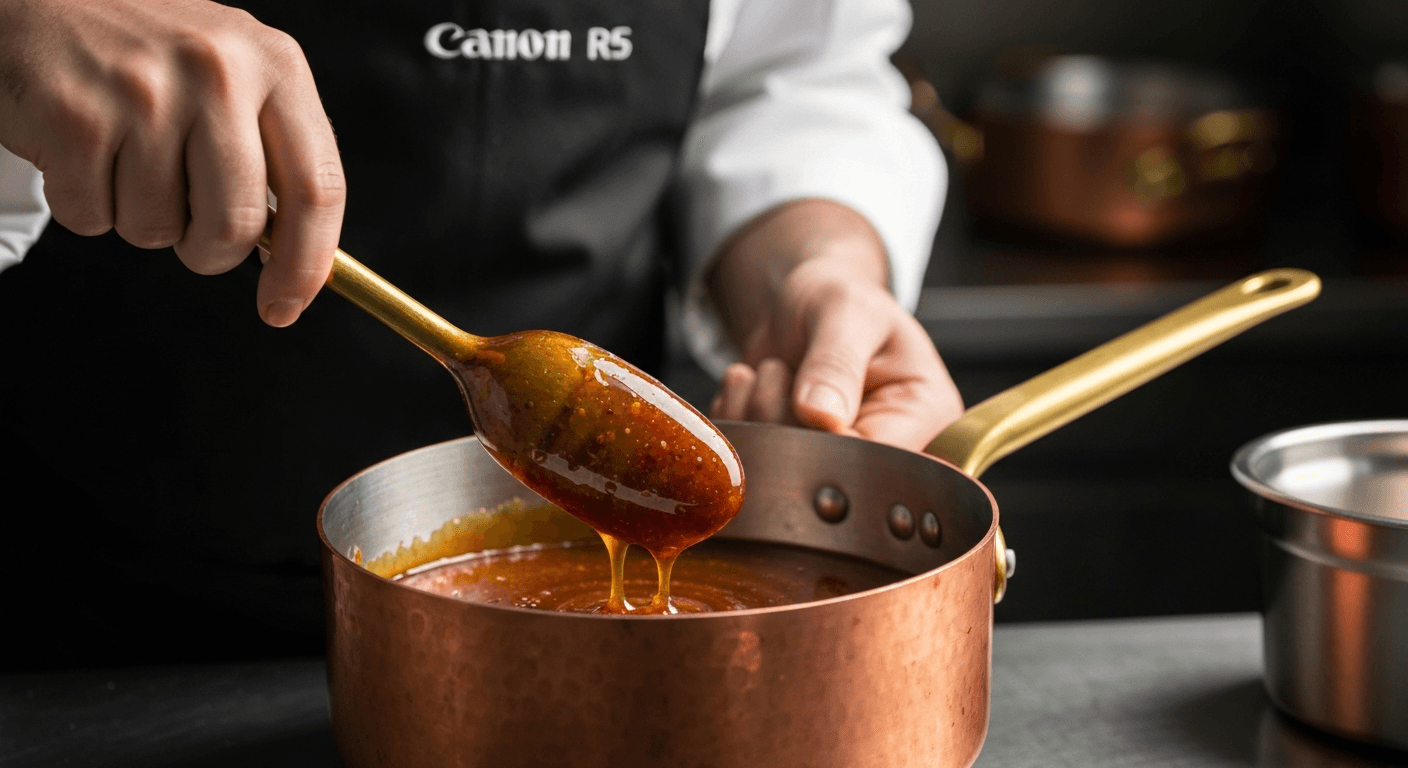
Caramelization: it's more than just melting sugar. It's a transformative process that unlocks deep, complex flavors, adding a touch of magic to both sweet and savory dishes. But achieving that perfect golden-brown hue and nutty aroma requires understanding the science behind the sizzle. This guide will take you beyond burnt sugar, exploring the art and science of caramelization to elevate your cooking.
We'll delve into the Maillard reaction, different types of sugar, optimal heating techniques, and how to incorporate caramelized ingredients into a variety of culinary creations. Get ready to master the sweet science!
The Maillard Reaction vs. Caramelization: What's the Difference?
Often used interchangeably, caramelization and the Maillard reaction are distinct chemical processes that contribute to browning and flavor development in food. While both involve heat, they operate on different ingredients.
Caramelization specifically refers to the browning of sugars. It occurs when sugars are heated to high temperatures (around 320°F or 160°C), causing them to break down and form hundreds of different flavor compounds. These compounds contribute to the characteristic caramel flavor and color.
The Maillard reaction, on the other hand, involves the reaction between amino acids (from proteins) and reducing sugars. This reaction occurs at lower temperatures (around 285°F or 140°C) and is responsible for the browning and flavor development in foods like seared meat, baked bread, and roasted coffee. It's a key player in savory applications.
While this article focuses on caramelization, it's important to recognize the Maillard reaction's significance in cooking as well.
Understanding Sugar: The Foundation of Caramelization
The type of sugar you use will influence the flavor, color, and texture of your caramel. Here's a look at some common options:
-
Granulated Sugar (Sucrose): The most common and versatile choice. It caramelizes evenly and produces a classic caramel flavor.
-
Brown Sugar: Contains molasses, which adds a deeper, richer flavor and a slightly softer texture. Dark brown sugar has a more intense molasses flavor than light brown sugar.
-
Honey: Adds a unique floral flavor and a slightly stickier texture. Be cautious, as honey can burn easily.
-
Maple Syrup: Offers a distinctive maple flavor and a softer, more delicate texture. Like honey, it's prone to burning.
-
Corn Syrup: Primarily used to prevent crystallization in caramel sauces and candies. It doesn't contribute much flavor.
Experimenting with different sugars can lead to exciting flavor combinations. Try blending brown sugar with granulated sugar for a more complex caramel.
The Wet vs. Dry Method: Choosing Your Caramelization Technique
There are two primary methods for caramelizing sugar: the wet method and the dry method. Each has its advantages and disadvantages.
The Wet Method:
Involves dissolving sugar in water before heating.
-
Pros: More forgiving, as the water helps to distribute heat evenly and prevent burning. Easier to control the color and prevent crystallization.
-
Cons: Takes longer to caramelize, as the water needs to evaporate first. Requires careful attention to prevent the formation of sugar crystals.
Step-by-Step: Wet Caramel
-
Combine sugar and water in a heavy-bottomed saucepan. The ratio is typically 2 parts sugar to 1 part water (e.g., 2 cups sugar and 1 cup water).
-
Stir over medium heat until the sugar dissolves completely.
-
Once dissolved, stop stirring. Bring the mixture to a boil and let it simmer undisturbed until it reaches a deep amber color. Use a pastry brush dipped in water to wash down any sugar crystals that form on the sides of the pan.
-
Remove from heat and immediately add any desired flavorings, such as butter, cream, or salt. Be careful, as the caramel will splatter.
Common Mistakes & Tips:
- Crystallization: Prevent crystallization by using a clean saucepan, dissolving the sugar completely before boiling, and washing down the sides of the pan with water.
- Burning: Watch the caramel closely and remove it from the heat as soon as it reaches the desired color. Carryover heat will continue to darken the caramel.
The Dry Method:
Involves heating sugar directly in a pan without any added water.
-
Pros: Caramelizes faster and develops a more intense flavor.
-
Cons: More prone to burning and crystallization. Requires constant attention and a very steady hand.
Step-by-Step: Dry Caramel
-
Spread a thin, even layer of sugar in a heavy-bottomed saucepan.
-
Heat over medium heat until the sugar begins to melt. As the sugar melts, it will form clumps.
-
As the edges begin to melt and turn golden, gently push the melted sugar towards the center of the pan. Continue this process until all the sugar is melted and a deep amber color.
-
Remove from heat and immediately add any desired flavorings.
Common Mistakes & Tips:
- Uneven Melting: Ensure an even layer of sugar to promote uniform melting.
- Burning: Watch the caramel very closely. Burnt sugar tastes bitter and unpleasant.
- Patience: Don't rush the process. Allow the sugar to melt slowly and evenly.
Beyond Sweet: Caramelization in Savory Dishes
While caramel is often associated with desserts, it can also add depth and complexity to savory dishes. Caramelized onions are a classic example, adding sweetness and umami to soups, sandwiches, and pizzas.
Caramelized Onions: A Savory Delight
Caramelizing onions involves slowly cooking them over low heat until they become soft, sweet, and golden brown. This process can take 30-45 minutes, but the results are well worth the effort.
Recipe: Perfect Caramelized Onions
Ingredients:
- 2 large yellow onions, thinly sliced
- 2 tablespoons olive oil
- 1 tablespoon butter
- 1/2 teaspoon salt
- 1/4 teaspoon black pepper
- 1 tablespoon balsamic vinegar (optional)
Instructions:
-
Heat olive oil and butter in a large skillet over medium-low heat.
-
Add sliced onions, salt, and pepper. Stir to coat the onions with oil.
-
Cook, stirring occasionally, until the onions are soft and translucent, about 15-20 minutes.
-
Reduce heat to low and continue cooking, stirring occasionally, until the onions are a deep golden brown and very sweet, about 15-25 minutes more.
-
If desired, add balsamic vinegar during the last few minutes of cooking for extra flavor.
Tips for Perfect Caramelized Onions:
- Low and Slow: Cooking the onions slowly over low heat is key to achieving a deep, even caramelization.
- Patience: Don't rush the process. Caramelizing onions takes time.
- Deglazing: If the onions start to stick to the pan, add a splash of water or broth to deglaze the pan and loosen any browned bits.
- Salt: Salt helps to draw out the moisture from the onions and promotes caramelization.
Salted Caramel: A Sweet and Salty Sensation
Salted caramel is a modern classic, combining the sweetness of caramel with the savory tang of salt. The salt enhances the caramel flavor and creates a delightful contrast that is irresistible.
Recipe: Homemade Salted Caramel Sauce
Ingredients:
- 1 cup granulated sugar
- 1/4 cup water
- 1/2 cup heavy cream, warmed
- 4 tablespoons (1/2 stick) unsalted butter, cut into pieces
- 1 teaspoon sea salt, or to taste
Instructions:
-
Combine sugar and water in a heavy-bottomed saucepan.
-
Cook over medium heat, stirring until the sugar dissolves.
-
Once dissolved, stop stirring and bring to a boil. Cook until the caramel is a deep amber color.
-
Remove from heat and carefully whisk in the warmed heavy cream. Be careful, as the mixture will bubble vigorously.
-
Add the butter and salt and whisk until smooth.
-
Let cool slightly before serving. Store in an airtight container in the refrigerator.
Tips for Perfect Salted Caramel Sauce:
- Warm Cream: Warming the heavy cream prevents the caramel from seizing up when it's added.
- High-Quality Salt: Use a good-quality sea salt for the best flavor.
- Adjust Salt to Taste: Start with 1 teaspoon of salt and add more to taste.
- Storage: Salted caramel sauce will thicken as it cools. If it becomes too thick, gently warm it in the microwave or on the stovetop before serving.
Utilizing Caramelized Ingredients
Once you've mastered the art of caramelization, the possibilities are endless. Here are a few ideas for incorporating caramelized ingredients into your cooking:
- Desserts: Caramel sauce, caramel candies, caramelized fruit tarts, salted caramel brownies.
- Savory Dishes: Caramelized onions on pizzas, burgers, and sandwiches; caramelized vegetables in soups and stews; caramel glaze for roasted meats.
- Drinks: Caramel lattes, caramel milkshakes, caramel-infused cocktails.
Caramelization is a fundamental cooking technique that can elevate your dishes from ordinary to extraordinary. By understanding the science behind the process and mastering the different methods, you can unlock a world of flavor and create culinary masterpieces. So, go ahead, embrace the heat, and let the sweet aroma of caramel fill your kitchen.