Beyond Boiling: Mastering Vegetable Cookery for Soups & Breads
Unlock the secrets to flavorful veggies! Elevate your soups and breads with expert cooking techniques beyond simple boiling.
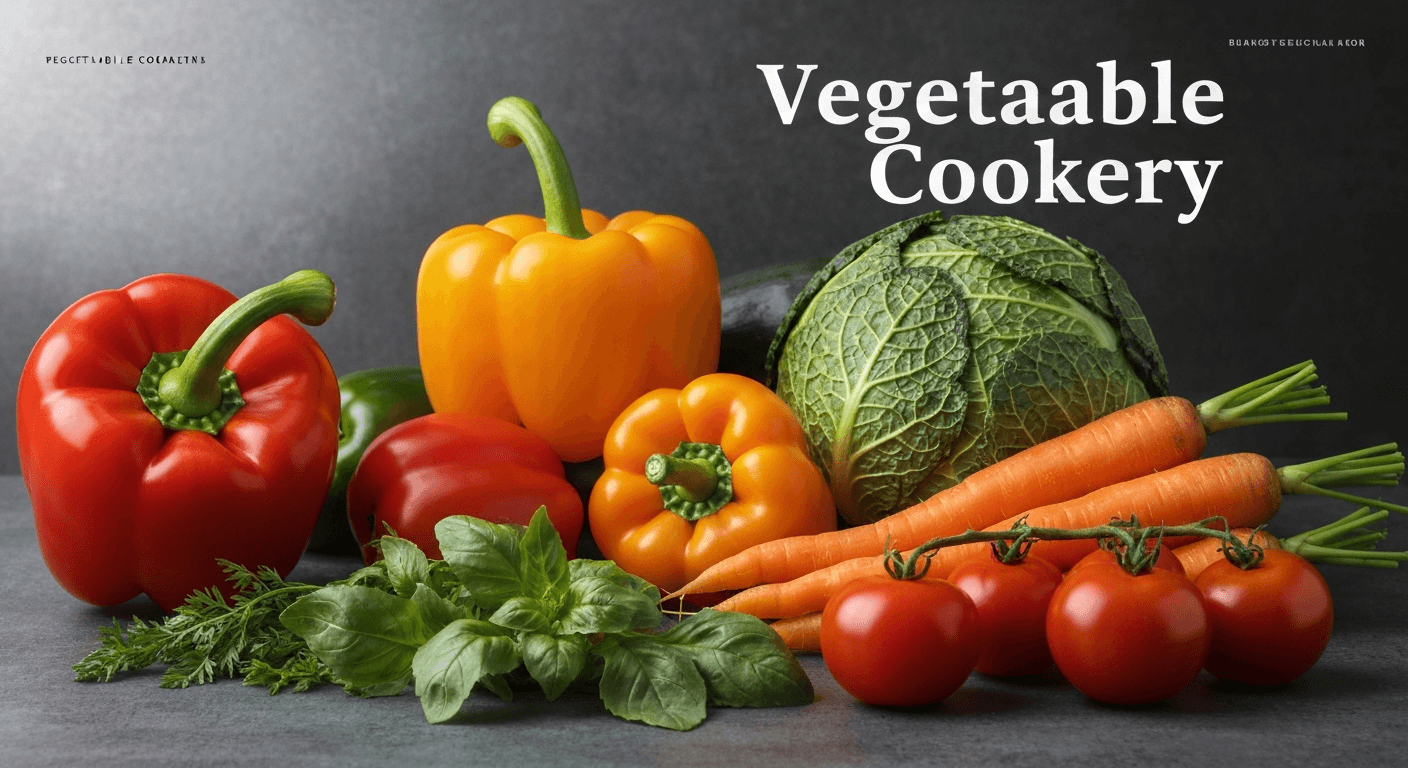
Vegetables are the unsung heroes of both bread and soup. While often relegated to supporting roles, mastering their cookery unlocks a world of flavor and texture that can transform your creations. Forget the blandness of boiled vegetables; it's time to explore techniques that celebrate their inherent deliciousness. We'll focus on methods that enhance their contribution to both hearty soups and flavorful breads.
This article will explore a range of cooking techniques, from blanching and steaming to roasting and grilling, with a specific focus on how each method impacts the final product in bread and soup applications.
Blanching: The Pre-Soup Plunge
Blanching involves briefly immersing vegetables in boiling water followed by an ice bath. This technique is crucial for several reasons when preparing vegetables for soup.
First, it deactivates enzymes that cause discoloration and nutrient loss. Second, it softens the vegetables slightly, making them easier to incorporate into soups without becoming mushy. Third, it brightens the colors, making your soups visually appealing.
How to Blanch:
-
Bring a large pot of water to a rolling boil. Season generously with salt.
-
Prepare an ice bath: a bowl filled with ice and water.
-
Add the vegetables to the boiling water. The cooking time depends on the vegetable:
- Green beans: 2-3 minutes
- Broccoli florets: 2-3 minutes
- Carrot slices: 3-4 minutes
-
Remove the vegetables with a slotted spoon and immediately plunge them into the ice bath.
-
Once cooled, drain the vegetables thoroughly. They are now ready to be added to your soup or frozen for later use.
Soup Application: Blanched vegetables retain their vibrant color and texture, making them ideal for adding to soups that require a fresh, crisp element. Consider adding blanched green beans or broccoli to a minestrone soup just before serving.
Bread Application: While less directly applicable to bread dough itself, blanched and pureed vegetables can be incorporated into bread doughs for added moisture, flavor, and color. Think of a spinach or kale puree adding a subtle green hue and nutritional boost to a rustic loaf.
Steaming: Gentle Heat for Delicate Flavors
Steaming is a gentle cooking method that preserves the delicate flavors and nutrients of vegetables. It's particularly well-suited for vegetables that are easily overcooked, such as asparagus or leafy greens.
How to Steam:
-
Fill a pot with about an inch of water.
-
Place a steamer basket or insert into the pot, ensuring that the water level is below the bottom of the basket.
-
Bring the water to a simmer.
-
Add the vegetables to the steamer basket.
-
Cover the pot and steam until the vegetables are tender-crisp. The cooking time will vary depending on the vegetable:
- Asparagus: 3-5 minutes
- Spinach: 1-2 minutes
- Cauliflower florets: 5-7 minutes
Soup Application: Steamed vegetables can be added to soups for a light and healthy touch. They are especially good in clear broths or delicate cream soups. Consider adding steamed asparagus to a cream of asparagus soup or steamed spinach to a light vegetable broth.
Bread Application: Similar to blanching, steamed and pureed vegetables can enhance bread dough. Steamed pumpkin or sweet potato puree adds sweetness, moisture, and a beautiful orange hue to breads.
Roasting: Unleashing Deep Flavors
Roasting vegetables brings out their natural sweetness and creates a caramelized, slightly smoky flavor. This technique is ideal for root vegetables like carrots, potatoes, and onions, which develop a rich depth of flavor when roasted.
How to Roast:
-
Preheat your oven to 400°F (200°C).
-
Chop the vegetables into evenly sized pieces.
-
Toss the vegetables with olive oil, salt, pepper, and any desired herbs or spices. Garlic powder, smoked paprika, and dried thyme are excellent choices.
-
Spread the vegetables in a single layer on a baking sheet.
-
Roast for 20-40 minutes, or until the vegetables are tender and slightly browned, flipping halfway through.
Soup Application: Roasted vegetables add a depth of flavor to soups that is unmatched by other cooking methods. Roasted carrots, onions, and garlic form the base of many classic soups, providing a sweet and savory foundation. Think of a roasted tomato soup with hints of smoky sweetness, or a creamy butternut squash soup with a caramelized depth.
Bread Application: Roasted vegetables can be used as a topping for focaccia or flatbreads. Roasted red peppers, onions, and garlic add a burst of flavor and color. Pureeing roasted vegetables and incorporating them into the dough can also impart a subtle sweetness and unique flavor profile. Imagine a roasted garlic and rosemary focaccia.
Grilling: Smoky Char for Unique Soups and Breads
Grilling vegetables imparts a smoky char that adds a unique dimension to both soups and breads. The high heat caramelizes the sugars in the vegetables, creating a complex and delicious flavor.
How to Grill:
-
Preheat your grill to medium-high heat.
-
Chop the vegetables into large pieces.
-
Brush the vegetables with olive oil and season with salt, pepper, and any desired herbs or spices.
-
Grill the vegetables until they are tender and slightly charred, flipping occasionally.
Soup Application: Grilled vegetables add a smoky depth to soups that is both comforting and sophisticated. Grilled corn, bell peppers, and zucchini are excellent additions to summer soups. Consider a grilled corn and black bean soup or a smoky tomato soup made with grilled tomatoes.
Bread Application: Grilled vegetables can be used as a topping for bruschetta or crostini. Grilled zucchini, eggplant, and peppers add a Mediterranean flair. Grilled onions can be caramelized and used as a topping for savory breads or incorporated into the dough for a unique flavor.
Sautéing: Quick and Flavorful
Sautéing involves cooking vegetables in a small amount of oil over medium-high heat. This technique is quick and easy, and it's a great way to develop flavor in vegetables for soups and breads.
How to Sauté:
-
Heat a skillet over medium-high heat.
-
Add a tablespoon or two of oil to the skillet.
-
Add the vegetables to the skillet and cook, stirring frequently, until they are tender and slightly browned.
Soup Application: Sautéing is a great way to quickly cook vegetables for soups. Sautéed onions, garlic, and celery form the base of many soups, providing a savory foundation. Sautéed mushrooms add a rich, earthy flavor to soups.
Bread Application: Sautéed vegetables can be used as a filling for savory pastries or hand pies. Sautéed mushrooms, onions, and spinach make a delicious filling for spanakopita or other savory pastries.
Microwaving: A Quick Fix (Use Sparingly)
While not ideal for maximizing flavor, microwaving can be a quick way to cook vegetables for certain soup applications. It's best used for softening vegetables before adding them to a soup rather than as the primary cooking method.
How to Microwave:
-
Place the vegetables in a microwave-safe dish with a tablespoon or two of water.
-
Cover the dish with plastic wrap or a microwave-safe lid.
-
Microwave on high for 2-5 minutes, or until the vegetables are tender.
Soup Application: Microwaved vegetables can be added to soups to save time, but be aware that they may not have the same depth of flavor as vegetables cooked using other methods.
Bread Application: Microwaving is generally not recommended for preparing vegetables for bread making, as it can result in a mushy texture.
Selecting the Right Technique
The best cooking technique for a particular vegetable depends on several factors, including the type of vegetable, the desired flavor and texture, and the intended use in the soup or bread. Here's a quick guide:
- Root vegetables (carrots, potatoes, onions): Roasting is generally the best option for developing deep flavor and sweetness. Sautéing is a quicker alternative.
- Cruciferous vegetables (broccoli, cauliflower, Brussels sprouts): Blanching or steaming preserves nutrients and color. Roasting brings out a nutty flavor.
- Leafy greens (spinach, kale): Steaming is the best way to preserve nutrients and prevent bitterness. Sautéing is a quick and easy option.
- Peppers, zucchini, eggplant: Grilling or roasting imparts a smoky flavor. Sautéing is a faster alternative.
- Tomatoes: Roasting brings out their sweetness and intensifies their flavor.
Vegetable Prep for Soups: The Mirepoix
The mirepoix – a combination of diced onions, carrots, and celery – is a cornerstone of many soup recipes. Proper preparation is key.
-
Dicing: Aim for uniform dice to ensure even cooking. A slightly larger dice is suitable for long-simmering soups, while a finer dice is better for quicker broths.
-
Sautéing: Sautéing the mirepoix in butter or olive oil before adding other ingredients helps to develop its flavor and create a flavorful base for the soup. Cook until softened and fragrant, but avoid browning.
Vegetable Prep for Breads: Purees & Inclusions
Vegetables can be incorporated into bread dough in various forms:
-
Purees: As mentioned, pureed vegetables add moisture, flavor, and color. Ensure the puree is smooth for even distribution. Drain excess moisture to prevent a soggy dough.
-
Roasted or Grilled Pieces: Small pieces of roasted or grilled vegetables can be added to the dough for texture and bursts of flavor. Ensure they are cooled before incorporating them.
-
Sautéed Additions: Sautéed vegetables can be folded into the dough for a savory twist. Again, cool them before adding to prevent the dough from overheating.
Seasoning Savvy
Don't underestimate the power of seasoning. Salt, pepper, herbs, and spices can all enhance the flavor of vegetables. Experiment with different combinations to find your favorites.
-
Salt: Salt draws out moisture from vegetables, concentrating their flavor.
-
Pepper: Black pepper adds a subtle heat and complexity.
-
Herbs: Fresh or dried herbs can add a variety of flavors. Thyme, rosemary, oregano, and parsley are all excellent choices.
-
Spices: Spices like cumin, coriander, and turmeric can add warmth and depth.
The Art of the Vegetable Soup
Vegetable soup is a blank canvas for culinary creativity. Don't be afraid to experiment with different combinations of vegetables and cooking techniques. Start with a flavorful base, such as a mirepoix or a roasted vegetable puree, and then add your favorite vegetables. Season generously and simmer until the vegetables are tender.
Vegetable Bread: A Flavorful Twist
Adding vegetables to bread dough can create a unique and flavorful experience. Experiment with different vegetables and cooking techniques to find your favorites. Consider adding roasted garlic to a focaccia or incorporating pureed pumpkin into a sweet bread.
By mastering these vegetable cookery techniques, you can elevate your soups and breads to new heights of flavor and texture. So, ditch the blandness of boiled vegetables and embrace the deliciousness of properly cooked vegetables. Your taste buds (and your bread and soup) will thank you!